Nick Dunn: Agroforestry - Trees & Livestock Can Thrive!
By Regenerative Media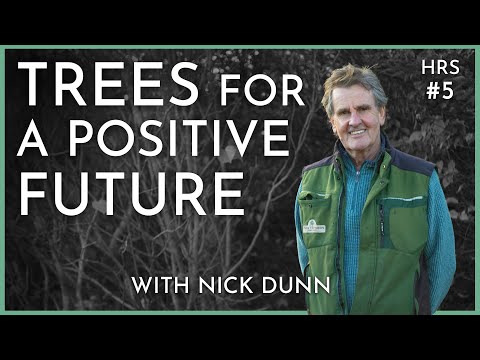
TL;DR: Agroforestry offers significant benefits when trees and livestock are thoughtfully integrated, despite historical challenges with tree damage.
- Careful planning is essential for successful tree and livestock integration.
- Select appropriate tree species resilient to browsing.
- Strategic planting and protection mitigate risks to young trees.
- Agroforestry can overcome traditional difficulties with proper management.
Why it matters: Thoughtful agroforestry design can transform potential conflicts between trees and livestock into mutually beneficial systems, enhancing farm resilience and productivity.
Do this next: Watch the video to learn more about specific strategies for integrating trees and livestock.
Recommended for: Farmers and land managers interested in integrating trees and livestock for enhanced ecological and economic outcomes.
Nick Dunn, a seasoned agricultural professional with a background spanning conventional and regenerative practices, offers a nuanced perspective on the integration of trees and livestock, a topic often viewed with skepticism due to historical challenges. While acknowledging the traditional difficulties associated with combining these elements, Dunn emphasizes the significant opportunities that arise when agroforestry is implemented thoughtfully and strategically.
Historically, the primary concern with trees and livestock has revolved around the potential for damage to young trees. Browsing animals, particularly cattle and sheep, can strip bark, break branches, and even uproot saplings, leading to substantial economic losses and hindering the establishment of a healthy tree canopy. This has often led farmers to adopt a clear separation between forested areas and grazing lands, or to invest heavily in protective measures like fencing, which can be costly and labor-intensive. Dunn recognizes these valid concerns, highlighting that a haphazard approach to integrating trees and livestock is indeed likely to result in negative outcomes.
However, Dunn argues that these past failures do not negate the immense potential of well-designed agroforestry systems. He points out that the key lies in understanding the specific needs of both the trees and the livestock, and in implementing management strategies that mitigate risks while maximizing benefits. One crucial aspect he emphasizes is the selection of appropriate tree species. Not all trees are equally resilient to browsing pressure, and some may even be toxic to certain livestock. Therefore, careful consideration of native species, fast-growing varieties, or those with natural defenses against browsing is paramount.
Beyond species selection, Dunn delves into the importance of strategic planting and protection. While extensive fencing can be prohibitive, targeted protection for young trees, such as individual tree shelters or temporary electric fencing, can be highly effective during the vulnerable establishment phase. As trees mature, their resilience to browsing increases, and the need for intensive protection diminishes. He also suggests that the timing of grazing can play a significant role. Controlled, rotational grazing, where livestock are moved through treed areas for short periods, can allow trees to recover and minimize sustained damage.
Dunn also highlights the numerous benefits that trees can bring to livestock systems. Shade, particularly in hotter climates, is a critical factor for animal welfare and productivity. Trees can reduce heat stress, leading to improved weight gain, milk production, and overall health. Furthermore, certain tree species can provide supplementary forage, offering a diverse diet and potentially reducing the need for purchased feed. The deep roots of trees can also improve soil health by breaking up compaction, enhancing water infiltration, and bringing up nutrients from deeper soil layers, which in turn benefits the pasture grasses.
From an ecological perspective, Dunn underscores the role of trees in enhancing biodiversity. They provide habitat for a wide range of wildlife, including beneficial insects and birds that can help with pest control. Trees also contribute to carbon sequestration, playing a vital role in mitigating climate change. The integration of trees can also improve water quality by reducing runoff and filtering pollutants, and can help prevent soil erosion, especially on sloped land.
In essence, Dunn's message is one of cautious optimism. He acknowledges the historical challenges but firmly believes that with careful planning, appropriate species selection, strategic protection, and adaptive management, agroforestry can transform agricultural landscapes. He advocates for a holistic approach that considers the long-term ecological and economic benefits, moving beyond the traditional dichotomy of "trees or livestock" to embrace a more integrated and resilient "trees and livestock" paradigm. His insights provide a valuable framework for farmers and land managers looking to explore the opportunities presented by agroforestry, emphasizing that success hinges on understanding the complexities and implementing thoughtful, science-backed solutions.