Namibian Food Forest: Mid-March 2026 Arid Permaculture Update
By Namibian Food Forest Homesteading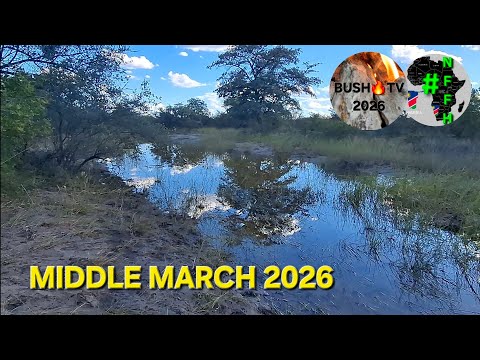
TL;DR: A Namibian homestead project demonstrates successful permaculture in arid lands through food forests, water conservation, and soil regeneration, offering a model for sustainable living.
- Arid permaculture is viable with careful plant selection.
- Water harvesting and greywater recycling are crucial in drylands.
- Composting and biochar improve sandy, arid soils.
- Food forests increase biodiversity and food security.
- The project prioritizes natural resource utilization.
Why it matters: This project offers a working model for sustainable food production and ecological restoration in challenging, water-scarce environments, highlighting practical permaculture applications.
Do this next: Explore local drought-resistant plants suitable for your region if you live in an arid climate.
Recommended for: Anyone interested in applying permaculture principles in arid or semi-arid environments, from home gardeners to community developers.
The Namibian Food Forest Homesteading project, as of mid-March 2026, is making significant strides in its development, showcasing a multi-faceted approach to sustainable living and food production in a challenging environment. The initiative is demonstrating the viability of permaculture principles in arid and semi-arid regions, focusing on water conservation, soil regeneration, and biodiversity enhancement.
A key aspect of the project's progress is the establishment and expansion of its food forest systems. Various indigenous and drought-resistant fruit trees, nitrogen-fixing plants, and edible perennial shrubs are being integrated to create a resilient and productive ecosystem. The selection of plant species is carefully considered to ensure they are well-suited to the local climate and soil conditions, minimizing the need for external inputs and maximizing natural resource utilization. This includes species known for their ability to improve soil structure, attract beneficial insects, and provide a diverse range of food sources throughout the year.
Water management remains a central theme, with the project implementing several innovative techniques to conserve and utilize water efficiently. Rainwater harvesting systems are being expanded, capturing precipitation during the wet season for use during drier periods. Swales and contour planting are employed to slow down water runoff, allowing it to infiltrate the soil more effectively and recharge groundwater. Greywater recycling systems are also in place, treating and reusing water from household activities for irrigation, further reducing the demand on fresh water sources. These strategies collectively aim to create a water-independent system, crucial for long-term sustainability in a water-scarce region.
Soil health is another critical area of focus. The project is actively engaged in composting, vermiculture, and the application of biochar to enrich the sandy soils characteristic of the region. These practices are designed to increase organic matter content, improve water retention, and enhance nutrient availability, thereby fostering a thriving microbial community. The continuous improvement of soil fertility is seen as foundational to the success of the food forest, supporting robust plant growth and reducing reliance on synthetic fertilizers.
Beyond the ecological aspects, the homesteading project is also developing its infrastructure to support a self-sufficient lifestyle. This includes the construction of eco-friendly dwellings using local and sustainable materials, designed to be energy-efficient and comfortable in the Namibian climate. Renewable energy sources, such as solar power, are being integrated to meet electricity needs, further reducing the environmental footprint of the homestead. Waste management systems are also being refined, emphasizing reduction, reuse, and recycling to minimize landfill contributions.
The project is also fostering a sense of community and knowledge sharing. While the description doesn't explicitly detail outreach programs, the nature of a "homesteading project" often implies a degree of self-reliance coupled with the potential for demonstrating sustainable practices to others. The ongoing development serves as a living laboratory, providing valuable insights into the practical application of permaculture in arid environments. The continuous observation, adaptation, and refinement of techniques are integral to its evolution.
In summary, the Namibian Food Forest Homesteading project in mid-March 2026 is a comprehensive endeavor demonstrating the principles of permaculture in action. It is characterized by the strategic development of food forests, advanced water conservation techniques, dedicated soil regeneration efforts, and the establishment of sustainable infrastructure. The project's progress underscores a commitment to creating a resilient, productive, and environmentally responsible living system in a challenging ecological context.