Seed Savers Exchange: Heirloom Regeneration Explained
PermaNews Brief
Key Takeaways
Professional seed regeneration techniques can be adapted by home gardeners to maintain genetic diversity and ensure future harvests.
- Regenerate seeds every 3-5 years to maintain viability.
- Isolate planting to prevent cross-pollination.
- Select the healthiest plants for regeneration.
- Thresh, clean, and dry seeds before storage.
- Test germination to ensure seed quality.
Why It Matters
Maintaining a personal seed bank ensures food security, preserves heirloom varieties, and adapts crops to local conditions over time.
What to Do Next
Start a germination test with some of your oldest seeds using the ragdoll method.
Recommended for: Home gardeners, community garden organizers, and permaculture practitioners seeking to establish resilient and diverse seed banks.
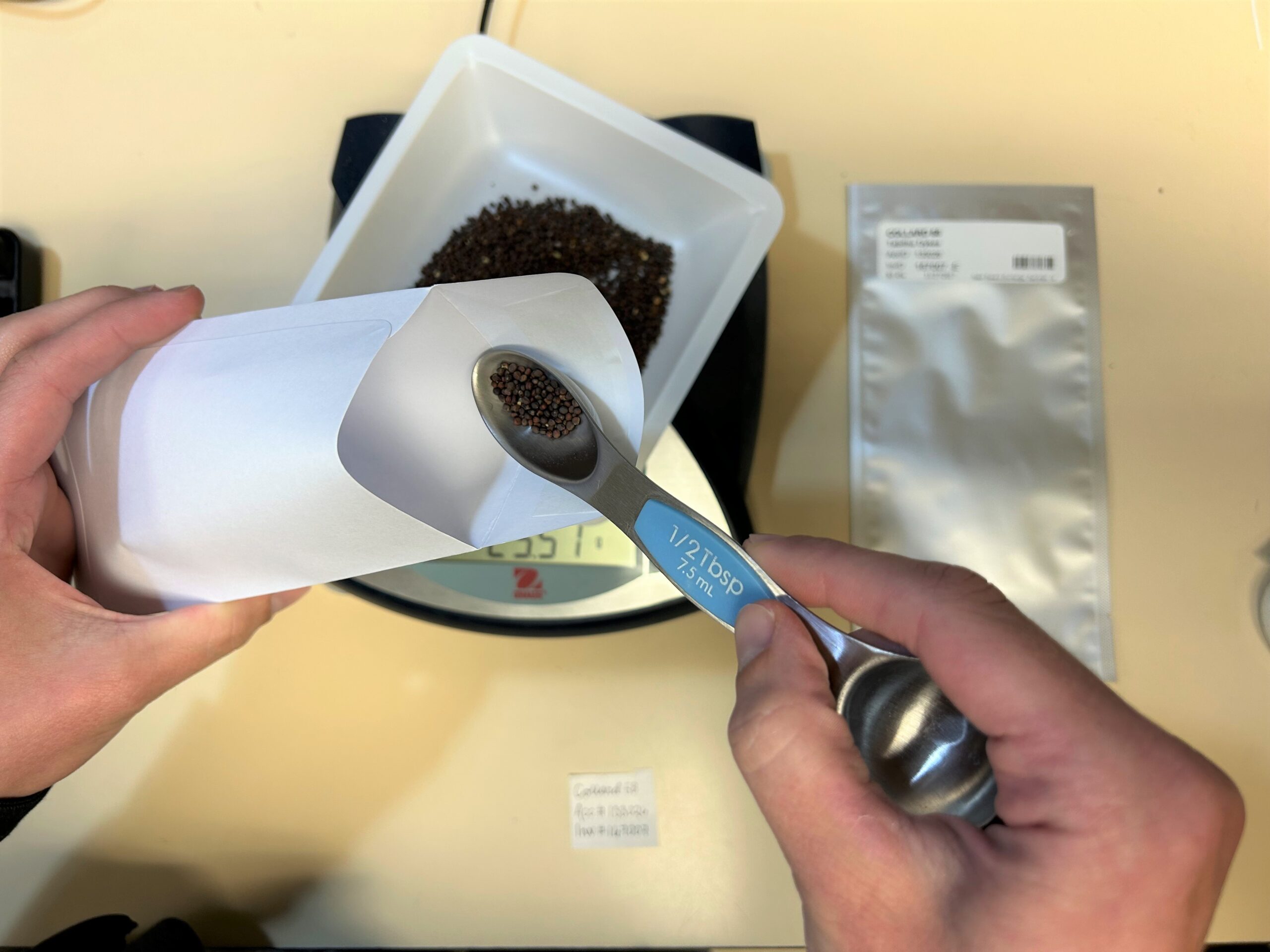
Seed Savers Exchange details their professional seed regeneration process, offering replicable insights for home-scale preservation of heirloom diversity in permaculture and resilience contexts. Annually, curators select varieties based on low inventory, poor germination (tested in-lab via standardized protocols observing radicle emergence), or market potential. Seeds from cold storage (-20°F vaults) are planted in isolation plots to maintain purity—numbers calculated by species (e.g., 50-100 plants for beans). Grow-outs mimic optimal conditions: full sun, fertile soil, rogueing off-types/diseased plants. Harvest at maturity: dry seeds threshed, cleaned, dried to 5-8% moisture, tested for 85%+ germination before banking. This refreshes stocks, evaluates traits for catalogs (vigor, yield, uniqueness). Videos 'A Seed’s Journey' illustrate full cycle: accessioning, grow-out, cleaning, storage. For self-sufficiency, key takeaways include periodic regeneration every 3-5 years, selecting healthiest plants to adapt strains, lab-free testing (ragdoll method: moist towel in bag, count sprouts in 7-14 days). Integrates with regenerative practices by bulking rare varieties locally, sharing via exchanges. Practitioners learn concrete metrics: germination thresholds, plant numbers for viability, storage benchmarks, enabling professional-level home banks that sustain gardens indefinitely against loss.
Source: seedsavers.org
Related Analysis
- Baltimore Researchers Reject Yield as Urban Farm Success Metric — Several sources suggest urban agriculture is being recast from food supplement to food sovereignty tool, with peer-revie…
- Urban Food Forest Tours Signal Shift From Passive Gardens — Several initiatives indicate urban food forests are evolving into hands-on design and education hubs — distinct from con…
Related on PermaNews
- Nurturing Resilience: Southern Seeds for a Changing Climate (Case Study)
- Climate Crisis Seed Saving: Local Resilience & Food Security (How-To Guide)
- Biolandhof Christiansen: Samenfeste Sorten für Bio-Gemüsebau (Case Study)
- Soil as Seed Bank: A Gardening Hack for Permaculture (Video)
- Never Buy Seeds Again: Open-Pollinated Seed Saving Guide (Video)
- Samenfestes Saatgut: Schlüssel zum nachhaltigen Gartenbau (Article)
Explore more in Food Systems & Growing — the full hub for this knowledge area.