Mastering Greenhouse Environmental Control for Plant Health
By Ricardo Orlando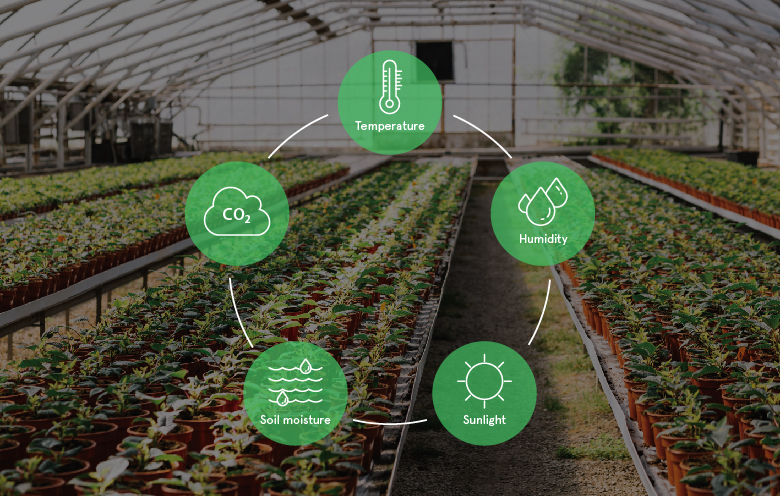
TL;DR: Creating a greenhouse allows for tailored environmental conditions for diverse plant growth.
- Control temperature to optimize plant growth
- Manage humidity to reduce disease
- Use shading techniques for light management
- Implement ventilation for air circulation
- Monitor soil conditions for health
Why it matters: Effective environmental management in greenhouses maximizes productivity and reduces the risk of plant diseases.
Do this next: Evaluate your greenhouse's current climate control systems.
Recommended for: Gardeners looking to maximize yields in non-native environments.
A greenhouse offers the unique advantage of creating a controlled environment for plants, allowing gardeners to cultivate a wide variety of species that might not thrive in local conditions. Climate control and environmental management are vital components in ensuring your greenhouse plants grow healthy and strong. Here’s a step-by-step guide to help you navigate these […]
The post How to Do Environmental Management in a Greenhouse appeared first on Urban Farm Online.
Source: urbanfarmonline.com
Related Analysis
- Farms Build Resilience, Pivot to Regenerative Soil — New initiatives and analysis explicitly frame regenerative agriculture as a direct solution for climate resilience, focu…
- Federal Policy Pivots, Builds Indigenous Agriculture Frameworks — Federal policy trends are integrating Indigenous knowledge with soil science in regenerative agriculture, shifting polic…
Related on PermaNews
- Ep. 424: 10 Free Feeds from Waste – Permaculture for Meat (Podcast)
- GrowTree Organics: Empowering Community Food Production (Video)
- Extreme Weather Defense: 6 Home Protection Strategies (Article)
- Data-Driven Smart Urban Farming: Eco-Solutions Evolve (Article)
- Market Garden: 2 Weeks, First Harvest! (Video)
- Container Exotic Fruit Trees: Maximize Yields with My Method (Video)
Explore more in Food Systems & Growing — the full hub for this knowledge area.