Guatemala & Honduras: 546 Coffee Farms Boost Food Security
By TechnoServe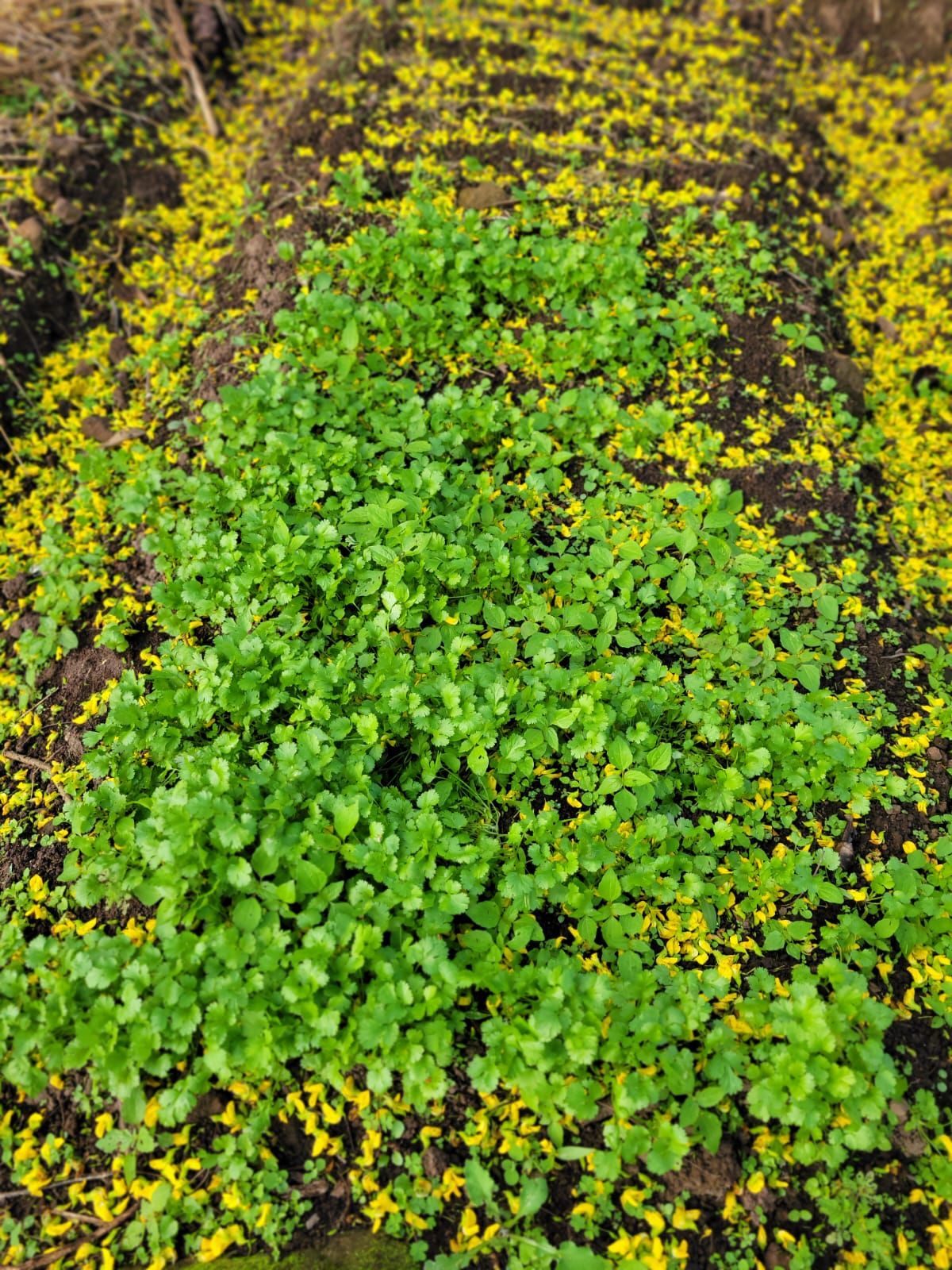
PermaNews Brief
Key Takeaways
Kitchen gardens offer a vital, low-cost solution for food security and nutrition for vulnerable farming families in Central America.
- Seed kits empower families to grow diverse, healthy food at home.
- Localized knowledge ensures successful planting and thriving crops.
- Regenerative practices boost soil health and climate resilience.
- Gardens provide reliable access to fresh produce year-round.
- Training and community support drive lasting household benefits.
Why It Matters
Implementing home-based food production systems can significantly improve nutritional outcomes and economic stability for communities facing food insecurity and climate challenges.
What to Do Next
Research local organizations promoting kitchen gardening and regenerative agriculture in your region and consider supporting their initiatives.
Recommended for: Anyone interested in sustainable development, food security, and community-led agricultural solutions in rural settings.
This article details TechnoServe's initiative in Guatemala and Honduras, where 546 coffee-farming families received seed kits valued at around $40 each, containing vegetables like swiss chard, spinach, carrots, squash, cilantro, radish, beets, onions, mustard greens, cucumber, cabbage, and pumpkin. These kits enable families to grow nutrient-rich produce near their homes, adding variety and flavor to meals that they typically cannot afford due to prioritizing farm expenses. Key to success is community-specific knowledge on optimal planting times and vegetable varieties that thrive locally. Farmers integrate regenerative agriculture practices for climate resilience, including incorporating organic matter into soil, composting with coffee pulp and other waste, using plant cover to retain moisture, prevent erosion, and enhance soil fertility, and planting living barriers around gardens. Banessa Guifarro, TechnoServe’s Business Advisor, emphasizes how these gardens provide reliable access to fresh food, strengthening nutrition, resilience, and well-being amid climate challenges in coffee-growing regions. The approach demonstrates practical, low-cost implementation for rural food security, with training ensuring adoption and sustained benefits like improved dietary diversity and household stability.
Source: technoserve.org
Related Analysis
- High-Salt Fertilizers Block Soil Microbes, Kempf Says — High-salt fertilizers disrupt soil microbes and microbial colonization, trapping farmers in chemical dependency. Biologi…
- Fertilizer Shortage Forces Reckoning on Nitrogen Sources — Fertilizer supply crisis drives farms toward nitrogen-fixing cover crops, compost, and legume rotations as alternatives.
Related on PermaNews
- Ernst Götsch's Cacao Syntropy: Master Agroforestry Now (How-To Guide)
- Designing Regenerative Resilience: Participatory Living Labs (How-To Guide)
- Lo—TEK: Indigenous Tech for Climate Solutions (Article)
- Nakivale's Regenerative Toilets: Refugee Resilience, Circular Sanitation (Case Study)
- Pippin Home Designs: Regenerative Home Design Explained (How-To Guide)
- Federal Policy Shift: Native Regenerative Ag for Soil & Carbon (Article)
Explore more in Food Systems & Growing — the full hub for this knowledge area.