Subterranean Composting: Boost Soil Health Naturally
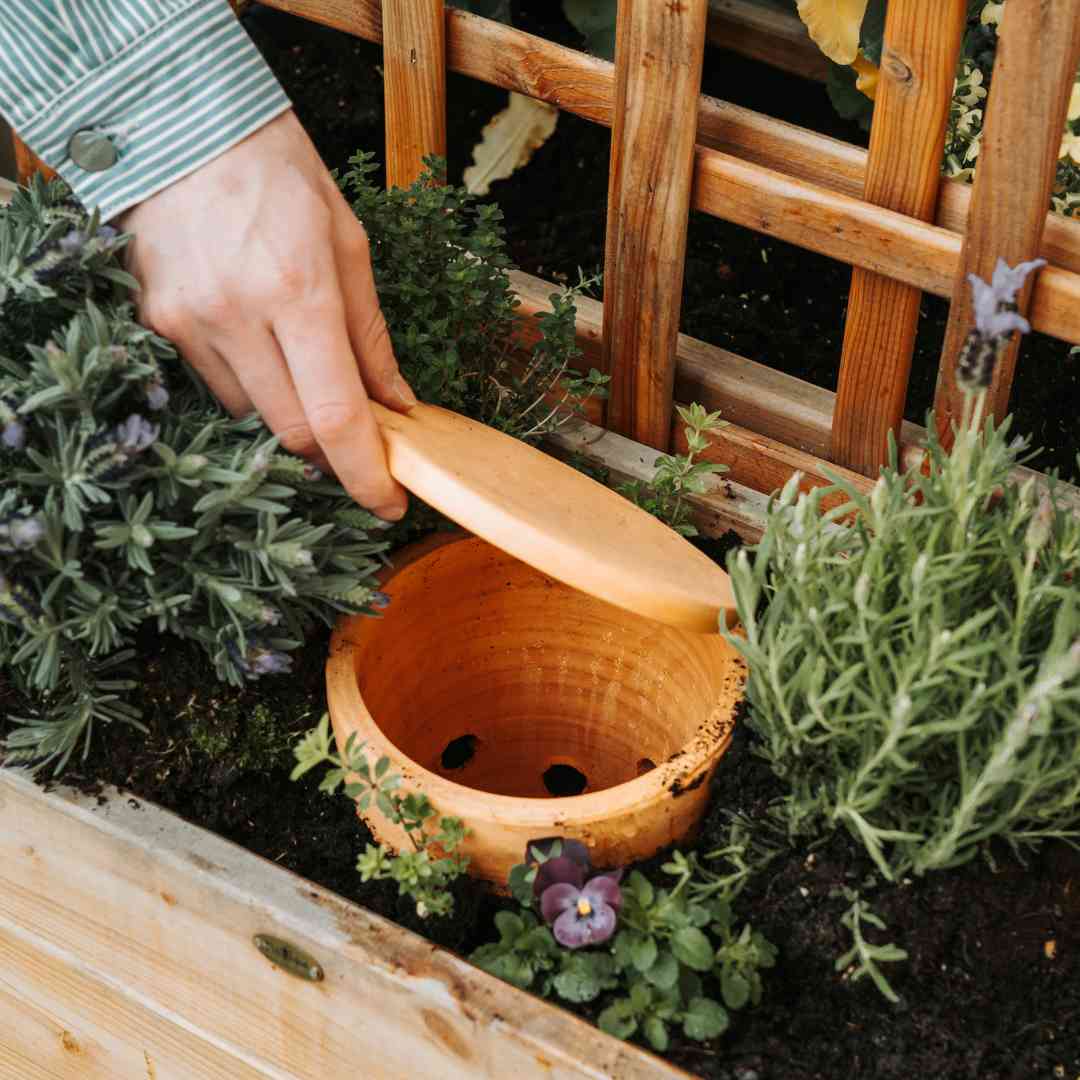
TL;DR: Burying kitchen scraps in a composter enriches garden soil with "black gold" through vermicomposting, improving plant health and environmental resilience.
- Underground composting converts food waste into nutrient-rich humus.
- Worms and microbes drive efficient, odor-free decomposition.
- Improves soil structure, water retention, and nutrient availability.
- Minimizes pests and aesthetic impact of traditional composting.
- Supports soil biodiversity and sequesters carbon underground.
Why it matters: Underground composting offers a discreet, highly efficient method to transform kitchen waste into a powerful soil amendment, directly enhancing garden fertility and reducing environmental impact.
Do this next: Install a buried composter bin in your garden to start diverting food waste.
Recommended for: Home gardeners and permaculture enthusiasts seeking an efficient, discreet, and highly beneficial method for composting food waste directly in their garden soil.
The Underground Composter represents an innovative, discreet method for transforming food waste into high-quality compost directly in the garden, promoting superior soil nourishment and plant growth through subterranean vermicomposting. This system involves installing a buried composter bin that harnesses natural decomposition processes, primarily driven by worms and soil microbes, to produce rich, odor-free compost known as worm castings or 'black gold.' Unlike traditional above-ground piles, which require large spaces and can attract pests, underground composters like this one are compact, aesthetic, and efficient, ideal for urban backyards, balconies, or small plots. Users add kitchen scraps continuously—up to 10-15 kg weekly for a family—while worms break them down rapidly into nutrient-dense humus that improves soil structure by enhancing tilth, aeration, and crumbly texture, allowing roots to penetrate easily and access oxygen. Key benefits include boosted water retention, as compost-amended soils hold moisture effectively, reducing watering frequency and aiding drought resilience; this is crucial in water-scarce areas. Nutrient release is slow and steady, providing nitrogen, phosphorus, potassium, and micronutrients over months, minimizing leaching and runoff compared to synthetic fertilizers. The process supports a vibrant microbial community, increasing biodiversity with billions of beneficial bacteria and fungi that cycle nutrients, suppress pathogens, weeds, and diseases, while sequestering carbon to combat climate change. Underground placement protects the compost from rain impact and UV, further preserving soil surface integrity and reducing erosion. Studies on similar systems show increased plant biomass, yields, and immune responses, with soils filtering 60-95% of stormwater pollutants in urban settings. Installation is straightforward: dig a hole, insert the bin, and connect to the surface via a lid for easy access, doubling as a garden seat. Maintenance involves occasional aeration and balancing inputs, yielding harvestable compost every few weeks for direct soil application. This method addresses common composting barriers like space, smell, and time, making it accessible for beginners while supporting sustainable agriculture by closing the organic waste loop, diverting landfill methane, and building long-term soil fertility. In regenerative contexts, it mimics natural processes, fostering resilient ecosystems where healthier soils produce nutrient-dense crops, enhance biodiversity, and require fewer inputs. Compared to commercial compost, it avoids plastic contamination and delivery issues, offering pure, site-specific nourishment. Overall, the underground composter is a game-changer for eco-conscious gardeners seeking efficient, low-effort ways to enrich soils, conserve resources, and grow thriving plants sustainably.