Reclaim Your Power: Sustainable Homestead Energy Independence
By Nick Rosen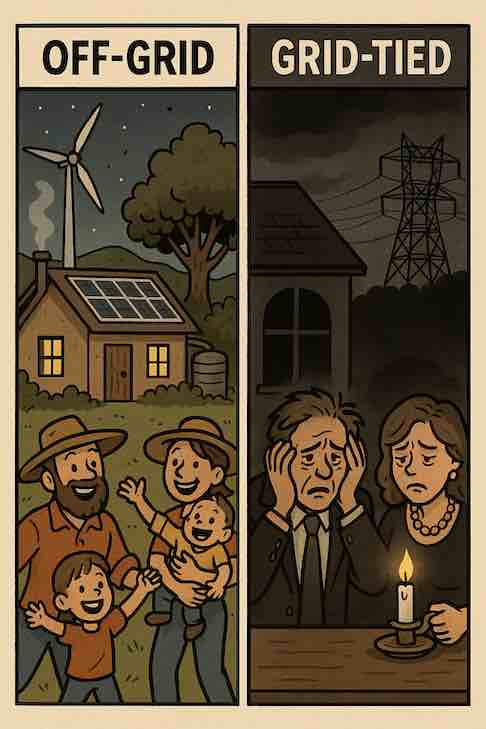
TL;DR: Take control of your energy future by adopting decentralized power solutions and reducing reliance on traditional grids.
- Decentralized energy boosts resilience and independence.
- Generate your own electricity with renewables like solar.
- Reduce energy bills and avoid power outages.
- Sell surplus energy back to the main grid.
- Energy efficiency is the first step to self-sufficiency.
Why it matters: Gaining energy independence protects against price volatility and grid vulnerabilities, ensuring a more stable and secure power supply for homes and communities.
Do this next: Research local incentives and options for installing rooftop solar panels on your property.
Recommended for: Homeowners, community leaders, and anyone interested in sustainable living looking to enhance their energy independence and security.
The article discusses the concept of regaining control over one's energy consumption and supply, moving away from reliance on centralized utility companies. It highlights the vulnerabilities and limitations inherent in traditional grid systems, such as susceptibility to outages caused by natural disasters, infrastructure failures, or even cyberattacks. The author suggests that a significant portion of the population currently experiences a lack of autonomy regarding their power, being subject to the decisions and pricing structures of large corporations.
A core argument presented is that individuals and communities can achieve greater resilience and independence by adopting decentralized energy solutions. This primarily involves generating one's own electricity, often through renewable sources like solar panels or wind turbines. The article emphasizes that such a shift isn't merely about environmental consciousness, but also about practical security and financial benefits. By producing their own power, consumers can insulate themselves from fluctuating energy prices, avoid blackouts, and potentially even sell excess energy back to the grid, creating a more dynamic and responsive energy landscape.
The piece delves into the practical aspects of transitioning to a more self-sufficient energy model. It touches upon the importance of energy efficiency measures within the home or business as a foundational step. Reducing overall consumption lessens the demand on any new generation system, making the transition more manageable and cost-effective. Following this, the article explores various technologies available for independent power generation. Solar photovoltaic systems are presented as a widely accessible and increasingly affordable option, suitable for a broad range of applications from residential rooftops to larger community projects. Wind power is also mentioned as a viable alternative, particularly in areas with consistent wind resources.
Beyond generation, the article addresses the crucial role of energy storage. Batteries are identified as essential components for off-grid or grid-tied systems aiming for greater independence. They allow for the capture and storage of surplus energy generated during peak production times (e.g., sunny afternoons for solar) for use during periods of low production or high demand (e.g., at night or during cloudy weather). The discussion also extends to the concept of microgrids, which are localized energy grids that can operate independently from the main grid. These microgrids can serve individual homes, neighborhoods, or even entire communities, offering enhanced reliability and the ability to manage local energy resources more effectively.
The article also touches upon the economic implications of this shift. While there might be an initial investment in setting up independent power systems, the long-term savings on electricity bills and the increased energy security are presented as compelling advantages. Furthermore, government incentives and technological advancements are making these solutions more financially accessible than ever before. The author suggests that by embracing these technologies, individuals are not just making a personal choice, but contributing to a broader movement towards a more sustainable and resilient energy future, where power is distributed and controlled by many, rather than concentrated in the hands of a few. The overall message is one of empowerment, encouraging readers to explore the possibilities of taking charge of their own energy destiny.