India Farmers Face Double Blow: Extreme Weather Wipes Out Crops
By Paco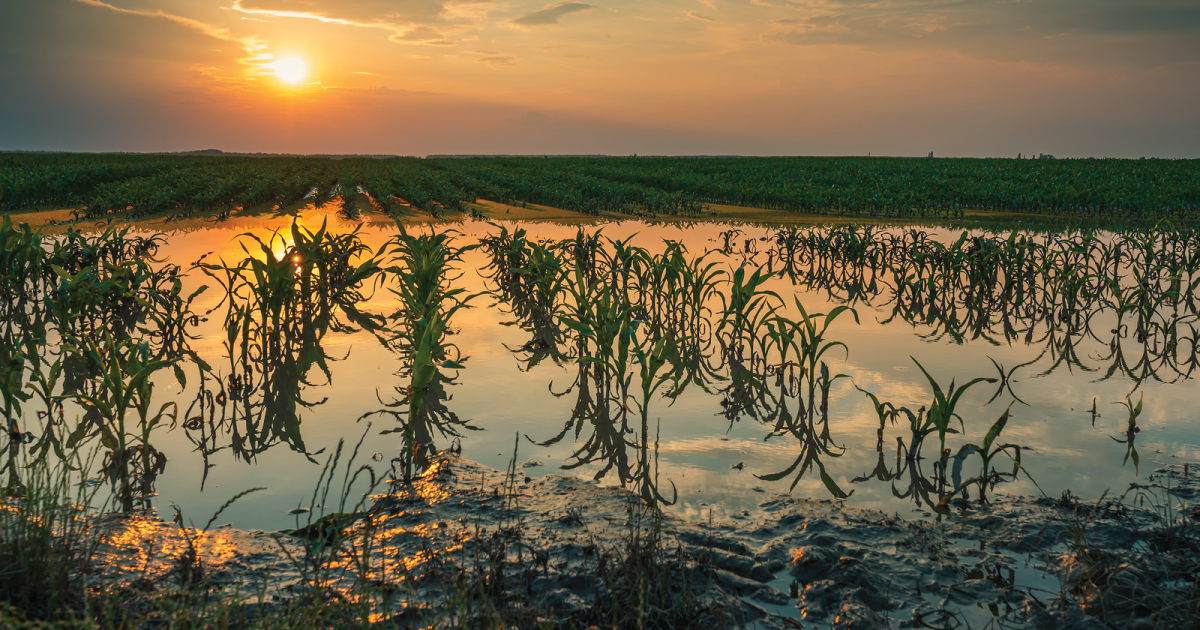
PermaNews Brief
Key Takeaways
Extreme weather in northern India devastated crops, causing immediate financial loss and long-term planting challenges for farmers.
- Flooding destroyed mature crops, negating farmers’ expected income.
- Waterlogged soil prevents new planting, delaying future harvests.
- Region’s agricultural economy faces significant, widespread setbacks.
- Food security and market prices likely to be impacted.
- Highlights agriculture’s vulnerability to extreme weather events.
Why It Matters
This event underscores the urgent need for resilient agricultural practices, especially as climate change increases extreme weather occurrences globally. It impacts both farmer livelihoods and regional food supplies.
What to Do Next
Research local climate-resilient crop varieties suitable for your region and consider diversifying your planting schedule.
Recommended for: Farmers, agricultural policymakers, and consumers interested in the real-world impacts of climate change on food systems.
Farmers in northern India are facing significant challenges due to severe weather events, specifically heavy rainfall and extensive flooding. This natural disaster has led to the destruction of vast agricultural areas, impacting thousands of acres of farmland. The immediate consequence for farmers has been the loss of their current harvests, which were ready or nearing readiness for collection. This represents a direct and substantial economic blow, as the expected income from these crops has been entirely negated.
Beyond the immediate loss of existing produce, the persistent waterlogging and altered soil conditions are creating further difficulties for future agricultural cycles. The excess moisture and potential soil degradation are hindering the ability to plant and cultivate the subsequent crop. This creates a compounding problem, as farmers are not only dealing with the absence of current income but also facing uncertainty and delays in generating future revenue. The extended period of unsuitability for planting means a prolonged period without agricultural output, which is particularly devastating for communities reliant on farming for their livelihoods.
The region's agricultural sector, a cornerstone of its economy and food supply, is experiencing a significant setback. The destruction of crops like wheat, mustard, and various vegetables, which are staple food items and cash crops, has far-reaching implications. It affects not only the financial stability of individual farming families but also has the potential to impact local food security and market prices. The loss of these essential crops can lead to shortages and increased costs for consumers, creating a ripple effect throughout the economy.
The situation highlights the vulnerability of agricultural systems to extreme weather patterns, which are becoming more frequent and intense in various parts of the world. For the affected farmers, this event is described as a "double blow," emphasizing the dual impact of losing current income and facing obstacles to future production. This scenario underscores the urgent need for resilient agricultural practices, improved disaster preparedness, and support systems for farmers in regions susceptible to such climatic events. The long-term recovery for these farming communities will likely require significant resources and strategic planning to rebuild their agricultural capacity and ensure their economic stability. The incident serves as a stark reminder of the interconnectedness of climate, agriculture, and human well-being.
Source: organicconsumers.org
Related Analysis
- Composting Advice Shifts From Chemistry to Microbial Biology — Several sources suggest composting guidance is pivoting from nutrient ratios toward microbial ecology—reframing what "go…
- Does Growing Your Own Food Actually Save Money? The Real Numbers — Most home gardens save money by year two — but only if the right crops are planted. Herbs and salad greens deliver 5–10x…
Related on PermaNews
- Designing Regenerative Resilience: Participatory Living Labs (How-To Guide)
- Amazonas: Chakra Waldgärten – Dynamische Agroforst-Wunder (Case Study)
- Nagaland's Jhum-Alder Agroforestry: Climate-Smart Farming (Article)
- CIT-ED Pioneers Tribal Food Forest for Climate & Food Security (Case Study)
- weADAPT: 100+ Climate Case Studies & Indigenous Practices (Case Study)
- Water Cycle Restoration Research: Indigenous Wisdom Meets Permaculture (Article)
Explore more in Food Systems & Growing — the full hub for this knowledge area.