Emma Harvey Smith: Green Finance for a Net-Zero Future
PermaNews Brief
Key Takeaways
Mobilizing global capital for sustainable finance requires collaboration between public and private sectors to achieve a net-zero and nature-positive economy.
- Green Finance Institute mobilizes capital for sustainable initiatives.
- UK’s first green mortgage program incentivizes eco-friendly housing.
- Collaboration between public and private sectors is crucial.
- Nature-based finance protects and restores natural ecosystems.
- GFI has scaled impact across nine countries globally.
Why It Matters
Integrating sustainability into financial systems is crucial for transitioning to an environmentally sound and economically viable future, impacting everything from housing to ecological preservation.
What to Do Next
Explore how your local financial institutions are engaging with green finance initiatives or nature-based solutions.
Recommended for: Financial professionals, policymakers, environmentalists, and anyone interested in the systemic changes needed to fund a sustainable future.
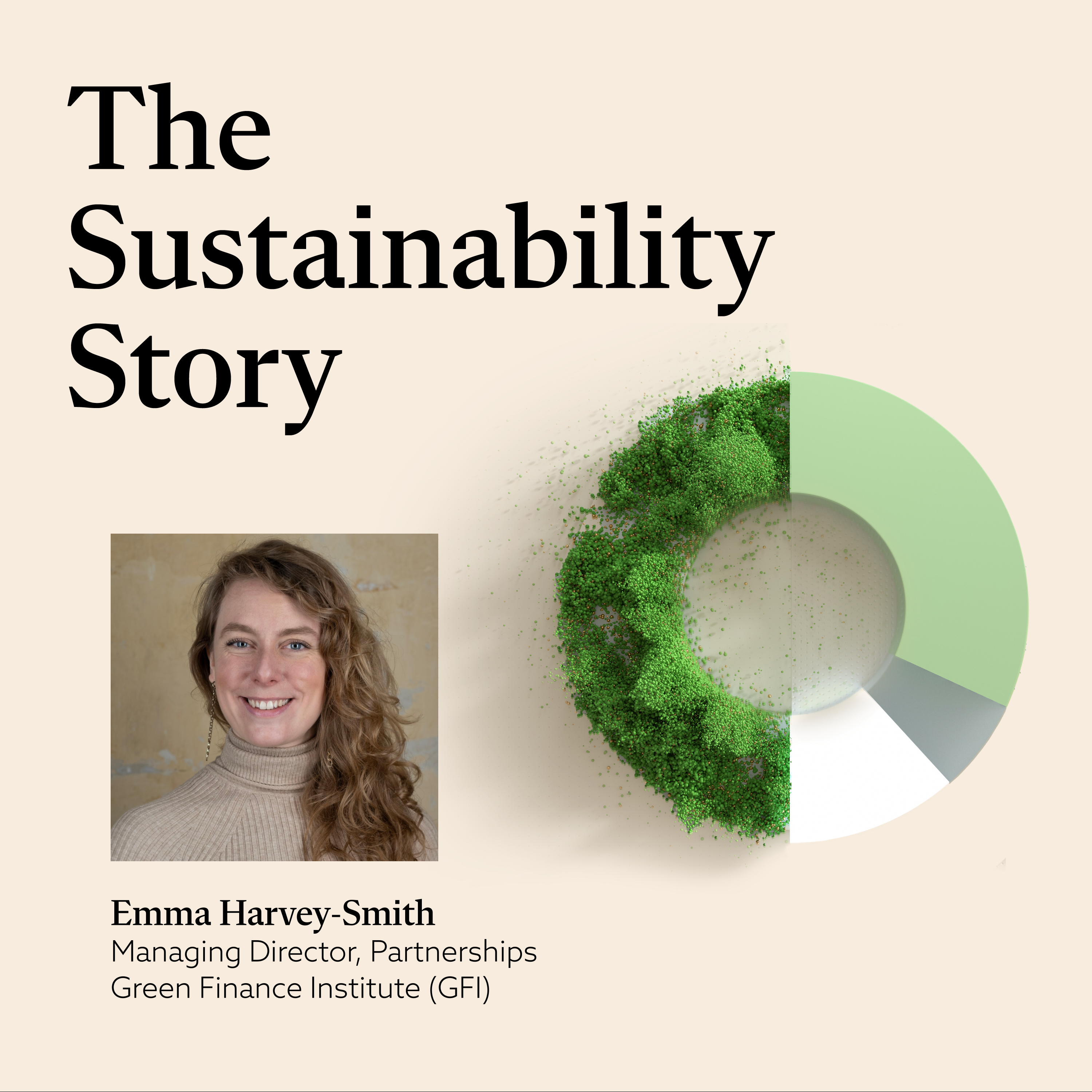
The discussion centered on the role of finance in facilitating a global transition towards a net-zero and nature-positive economic model. A key figure in this conversation, the Managing Director of Partnerships at the Green Finance Institute, highlighted the institute's mission and its efforts to mobilize capital for sustainable initiatives.
The Green Finance Institute's work involves a multi-faceted approach to integrating sustainability into financial systems. One notable achievement mentioned was their leadership in developing the United Kingdom's inaugural green mortgage program. This initiative aimed to incentivize environmentally friendly housing by offering preferential financial terms, demonstrating a practical application of green finance principles. Beyond this specific project, the institute has expanded its impact across nine different countries, indicating a broad international reach and a commitment to scaling sustainable financial solutions globally.
A central theme emphasized throughout the conversation was the critical importance of collaboration between the public and private sectors. It was argued that achieving ambitious sustainability goals requires a concerted effort from both governmental bodies and private enterprises. The public sector can provide regulatory frameworks, policy incentives, and foundational research, while the private sector brings innovation, capital, and market-driven solutions. This synergy is considered essential for overcoming the significant challenges associated with transitioning to a sustainable economy.
The discussion also delved into the burgeoning field of nature-based finance. This area focuses on channeling financial resources into projects that protect, restore, and sustainably manage natural ecosystems. Examples could include investments in reforestation, wetland restoration, sustainable agriculture, and biodiversity conservation. The growing recognition of the economic value of natural capital and ecosystem services is driving increased interest and investment in this sector. Nature-based solutions are seen not only as crucial for environmental protection but also as offering significant co-benefits, such as climate change mitigation, enhanced resilience, and improved human well-being.
Furthermore, the conversation provided guidance for professionals aspiring to work at the intersection of sustainability and finance. While specific advice was not detailed, the implication was that this field offers significant career opportunities and requires a blend of financial acumen and an understanding of environmental principles. The growing demand for sustainable finance expertise suggests a need for individuals who can bridge these two domains, developing innovative financial products and strategies that contribute to a more sustainable future.
In essence, the dialogue underscored the transformative potential of finance in addressing global environmental challenges. It highlighted the Green Finance Institute's pioneering work, the necessity of cross-sector collaboration, the emerging opportunities in nature-based finance, and the evolving career landscape for professionals in this critical area. The overarching message was one of optimism regarding finance's capacity to drive a more resilient and sustainable world.
Source: cfaesg.libsyn.com
Related Analysis
- Private Capital Breaks From ESG to Target Farm System Overhaul — Initial signals suggest large-scale capital is being positioned toward agricultural transformation, with a $1.4B Midwest…
- IUCN Guidelines Shift Rewilding From Concept to Formal Practice — The IUCN's newly released Global Guidelines for Rewilding offer the field's first authoritative framework, arriving as p…
Related on PermaNews
- Designing Regenerative Resilience: Participatory Living Labs (How-To Guide)
- Federal Policy Shift: Native Regenerative Ag for Soil & Carbon (Article)
- PRI Jordan: Arid Zone Permaculture Yields 5 Tons/Hectare (Case Study)
- Amazonas: Chakra Waldgärten – Dynamische Agroforst-Wunder (Case Study)
- Nagaland's Jhum-Alder Agroforestry: Climate-Smart Farming (Article)
- Whiskey Hill Farms: Permaculture Reverses GHG with Clean Fuel (Case Study)
Explore more in Community, Policy & Systems Change — the full hub for this knowledge area.