21 Scrappy Garden Hacks: Upcycle Kitchen Scraps to Grow Food
PermaNews Brief
Key Takeaways
Cultivate a diverse garden from common kitchen scraps using simple techniques and recycled materials for sustainable, cost-free propagation.
- Transform kitchen waste into productive plants.
- Utilize recycled containers for seed starting.
- Propagate various fruits and vegetables easily.
- Learn specific methods for different scraps.
- Practice zero-cost, resilient gardening.
Why It Matters
This method offers a sustainable way to grow food, reduce waste, and increase self-reliance by transforming everyday kitchen scraps into a thriving garden, fostering an understanding of plant life cycles.
What to Do Next
Start a mini-garden today by rooting lettuce or celery scraps in a container of water on a sunny windowsill.
Recommended for: Anyone interested in sustainable living, reducing waste, and growing their own food from readily available materials.
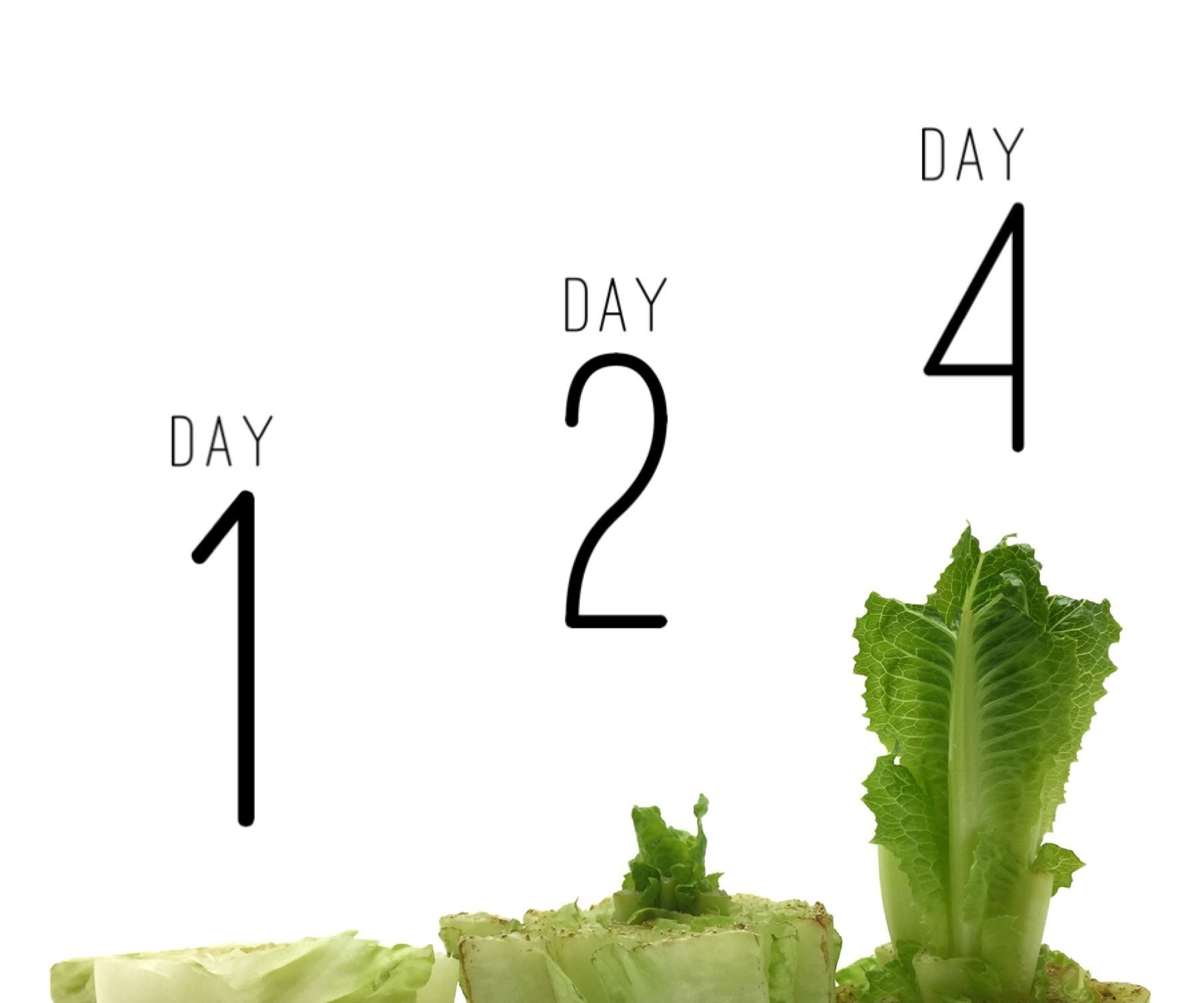
This Instructables tutorial outlines 21 detailed steps for propagating a diverse scrappy garden from kitchen scraps including avocado, lettuce, celery, basil, mint, rosemary, tomato, cucumber, jalapeno, pineapple, carrot, onion, and chia seeds, using recycled containers like mushroom boxes, takeout containers, plastic cups, and water bottles. For tomatoes, chop the fruit, scoop seeds into a tall cup (e.g., yogurt container), add water, swish to separate, let viable seeds sink, decant water repeatedly, then plant. Avocado propagation involves saving the seed, wiping or rinsing clean, suspending the flat end in water using three toothpicks over a container lip so the bottom touches water, changing water regularly until roots and shoots emerge. General steps for greens like lettuce or celery: slice clean cut-side up in water-filled bowls/jars on a sunny windowsill or under grow lights, refresh water every 1-2 days, monitor for mold, and record growth in a journal—measuring roots and noting changes. Chia seeds are misted on moist paper napkin-lined trays, covered in blackout with weight for germination. The guide provides specific setups for each scrap, emphasizing drainage, light, and hygiene to avoid rot. Transplant rooted scraps to soil for ongoing growth. This method turns waste into productive plants, teaching life cycles and resilience through experimentation. In regenerative contexts, selecting strongest seedlings for seed saving over generations builds adapted varieties. Practitioners gain precise, hands-on techniques like toothpick suspension or decanting for viability, enabling zero-cost propagation systems that enhance biodiversity and self-reliance in permaculture or hillside restoration, contrasting with buying seeds by promoting iterative breeding from scraps.
Source: instructables.com
Related Analysis
- Food Forest Courses Shift From Theory to Build-Ready Skills — Several food forest courses now open with site assessment and guild-building rather than design theory, suggesting a dev…
- Practitioners Build Silvopasture Playbook Before Researchers Catch Up — A small but consistent set of signals from the Northeast U.S. shows farmers actively piloting silvopasture while formal …
Related on PermaNews
- Ernst Götsch's Cacao Syntropy: Master Agroforestry Now (How-To Guide)
- Finnish Off-Grid: Rocket Mass Heater Performance in Greenhouse (Case Study)
- Berlins schwimmende Gärten: Permakultur auf dem Wasser (Case Study)
- Rodale Report 2025: Thermal Mass Boost in Solar Greenhouses (Case Study)
- AUTarcaMatricultura La Palma: Permakultur & Energieautarkie (How-To Guide)
- Earthaven Ecovillage: 30 Years Off-Grid with Hydro & Solar (Video)
Explore more in Food Systems & Growing — the full hub for this knowledge area.