Winter High Tunnel Upgrades: Maximize Growth & Warmth
By EdibleAcres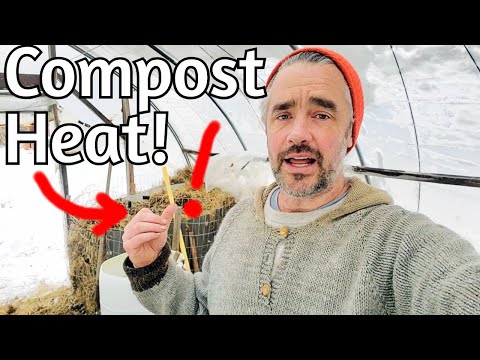
TL;DR: Boost winter high tunnel harvests by optimizing warmth, light, and plant health with strategic thermal mass, insulation, and cleanliness techniques.
- Increase warmth with water barrels and active compost.
- Insulate with double plastic layers and bubble wrap.
- Seal all gaps to prevent heat escape.
- Clean plastic regularly for maximum light.
- Optimize for colder months and shorter days.
Why it matters: Implementing these strategies can significantly extend your growing season, providing fresh produce even in the coldest months and increasing self-sufficiency.
Do this next: Watch the video for visual examples and further details on high tunnel improvements.
Recommended for: Gardeners and small-scale farmers looking to optimize their high tunnels for year-round production in colder climates.
The article from EdibleAcres discusses various strategies and improvements for optimizing high tunnels for winter growing conditions, focusing on maximizing warmth, light, and plant health during colder months.
One primary area of focus is enhancing the thermal mass within the high tunnel. The author suggests incorporating materials that can absorb and slowly release heat, thereby moderating temperature fluctuations. Examples include large water barrels, particularly dark-colored ones, which can absorb solar radiation during the day and radiate heat back into the tunnel at night. Another effective method is the use of compost piles directly within the high tunnel. As compost breaks down, it generates heat, which can significantly contribute to maintaining a warmer internal environment. This not only provides warmth but also offers a convenient way to process organic matter and enrich the soil for future plantings.
Insulation is another critical component for winter high tunnel success. The article recommends several approaches to reduce heat loss. One common technique is to add an extra layer of plastic sheeting on the inside of the high tunnel, creating a double-wall effect. This air gap acts as an insulator, trapping heat and preventing it from escaping. For even greater insulation, some growers might opt for bubble wrap or specialized greenhouse insulation materials. Additionally, sealing any gaps or drafts in the high tunnel structure is crucial, as even small openings can lead to substantial heat loss. This includes checking doors, vents, and the base of the structure for any unsealed areas.
Optimizing light penetration is also highlighted as essential, given the shorter days and lower sun angles in winter. The article advises keeping the high tunnel plastic clean to ensure maximum light transmission. Dust, dirt, and algae can accumulate on the plastic, reducing the amount of sunlight reaching the plants. Regular cleaning, perhaps with a soft brush and water, can significantly improve light levels. Furthermore, strategic placement of reflective materials, such as white tarps or reflective foils, can help bounce available light back onto the plants, especially on the north side of the tunnel where direct sunlight is limited.
The article also delves into specific plant management techniques for winter. It emphasizes selecting cold-hardy varieties that are better adapted to lower light and cooler temperatures. Examples might include various types of kale, spinach, lettuce, and root vegetables. Row covers or low tunnels placed *inside* the high tunnel are presented as an excellent way to provide an additional layer of protection for these plants. These mini-structures create a microclimate around the plants, further insulating them from extreme cold. Watering practices also need adjustment; while plants still require moisture, overwatering can lead to fungal issues and colder soil temperatures. The advice is to water sparingly and preferably during the warmest part of the day to allow excess moisture to evaporate.
Finally, the article touches upon the importance of ventilation, even in winter. While the goal is to retain heat, proper air circulation is necessary to prevent excessive humidity, which can lead to diseases. On warmer, sunny winter days, briefly opening vents can help exchange air and reduce moisture buildup, while still being mindful of not letting too much heat escape. Monitoring internal temperatures with thermometers is crucial for making informed decisions about ventilation and overall management. By implementing these various improvements, growers can significantly extend their growing season and achieve successful harvests throughout the winter months.
Source: youtube.com
Related Analysis
- Homeowners Retrofit Properties with Renewable Energy Solutions — Renewable energy retrofitting gains traction as regenerative agriculture principles inform home upgrades. Experts point …
- New Practices Build Climate-Resilient Cob Homes — Cob construction emerges as a key strategy in enhancing resilience against ecological challenges in permaculture systems…
Related on PermaNews
- Gardening Secrets: Ancient Potatoes & Deep Mulch Beds Revealed! #permaculture #gardening (Video)
- How We Flipped Our High Tunnel to Produce 1000's of Pounds of Food (Video)
- Compost Heated High Tunnel - Lovely Success! (Video)
- Prepping our High Tunnel for 100s of Plants (to feed our family of 7) (Video)
- 4-Year Covered Market Gardens: Season Extension Insights (Video)
- Beat the Frost: Gardening Protection Strategies (Video)
Explore more in Shelter, Energy & Infrastructure — the full hub for this knowledge area.