Namibian Food Forest: 201 Sheep on the Homestead
By Namibian Food Forest Homesteading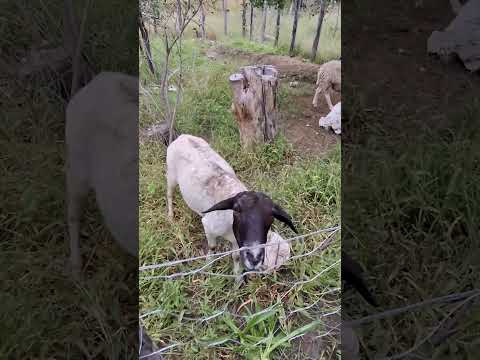
TL;DR: Sheep offer diverse benefits for sustainable homesteading, from natural land management to enriching soil and providing food resources.
- Sheep naturally manage vegetation, reducing labor and fossil fuel use.
- Manure enhances soil fertility, building healthy soil structure.
- Integrating sheep aids homestead food security and self-sufficiency.
- Careful grazing prevents overgrazing and maintains pasture health.
- Sheep are more than livestock; they are permaculture allies.
Why it matters: Integrating sheep into a homestead creates a regenerative system, reducing external inputs and fostering self-sufficiency.
Do this next: Research local sheep breeds suitable for your climate and homestead goals.
Recommended for: Homesteaders and permaculture enthusiasts looking to integrate livestock for regenerative land management and increased self-sufficiency.
The Namibian Food Forest Homesteading initiative recently highlighted the role of sheep within a homesteading context, emphasizing their multifaceted contributions to sustainable living. The discussion centered on the practical aspects of integrating sheep into a permaculture-inspired system, moving beyond a simplistic view of them merely as livestock.
One key aspect explored was the sheep's function as natural lawnmowers and weed control agents. By allowing sheep to graze in designated areas, homesteaders can significantly reduce the need for mechanical mowing or manual weeding. This not only saves time and labor but also avoids the use of fossil fuels and herbicides, aligning with permaculture principles of minimizing external inputs and environmental impact. The article implicitly suggests that careful management of grazing patterns is crucial to prevent overgrazing and ensure the health of both the pasture and the animals.
Beyond vegetation management, the discussion touched upon the value of sheep manure as a rich organic fertilizer. This natural byproduct of raising sheep can be directly incorporated into garden beds or composted to enhance soil fertility. The continuous input of organic matter from manure helps to build healthy soil structure, improve water retention, and provide essential nutrients for plant growth. This closed-loop system, where animal waste becomes a resource for plant production, is a cornerstone of permaculture design.
The article also implicitly acknowledged the role of sheep in providing food resources. While not explicitly detailing meat or milk production, the very presence of "sheep" within a "homesteading" context strongly implies their potential as a source of protein and, in some breeds, dairy. This contributes to food security and self-sufficiency, reducing reliance on external food systems. The discussion likely touched upon the benefits of raising one's own food animals, including control over their diet and living conditions, leading to healthier and more ethically produced food.
Furthermore, the topic of wool production was likely a component of the discussion. For certain sheep breeds, wool can be a valuable resource for crafting, insulation, or even as a natural mulch in the garden. This adds another layer of utility to the animals, demonstrating how a single element in a permaculture system can serve multiple functions. The processing of wool, from shearing to cleaning and spinning, can also be a homesteading skill that fosters self-reliance and connection to traditional crafts.
The overall message conveyed by the Namibian Food Forest Homesteading initiative regarding sheep was one of integration and utility within a holistic homesteading framework. They are presented not just as animals to be kept, but as active participants in creating a more resilient, productive, and sustainable living environment. The discussion likely encouraged a thoughtful approach to animal husbandry, considering the specific needs of the sheep, the capacity of the land, and the overall goals of the homestead. This comprehensive view underscores the interconnectedness of all elements within a permaculture design, where each component contributes to the health and productivity of the entire system.