Geoff Lawton: Ethical Design vs. Leaving Nature Alone
By Discover Permaculture with Geoff Lawton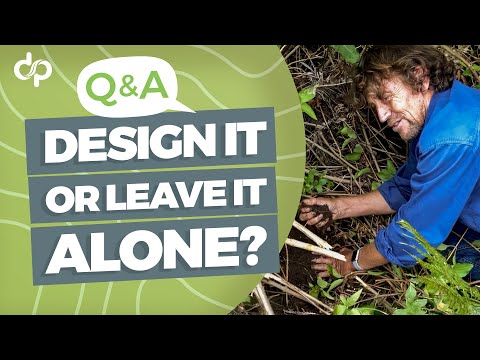
PermaNews Brief
Key Takeaways
Before intervening in nature, always assess if active design or passive observation is the most ethical and effective approach for land management.
- Intervention or non-intervention demands careful consideration.
- Understand site history, ecology, and desired outcomes.
- Thorough observation is crucial before any action.
- Prioritize least effort for greatest effect.
- Degraded landscapes may need thoughtful intervention.
Why It Matters
Making informed decisions about when to intervene in natural systems can prevent harm and promote ecological recovery, ensuring long-term sustainability.
What to Do Next
Watch Geoff Lawton's video to gain deeper insights into ethical design principles for land management.
Recommended for: Anyone involved in land management, ecological restoration, or permaculture design seeking guidance on ethical intervention.
Geoff Lawton, a prominent figure in permaculture, often discusses the critical decision-making process involved in interacting with natural systems: whether to actively design and intervene or to allow nature to proceed undisturbed. This dilemma forms the core of his ethical design philosophy, particularly concerning land management and ecological restoration.
Lawton emphasizes that the choice between intervention and non-intervention is not a simple one and requires careful consideration of various factors. He advocates for a deep understanding of the specific site, its history, current ecological state, and the desired outcomes. Before any action is taken, a thorough observation phase is crucial. This involves studying the existing patterns, water flow, soil composition, plant and animal life, and the overall energy dynamics of the landscape. Without this foundational understanding, any intervention risks being counterproductive or even harmful.
One key principle Lawton highlights is the concept of "least effort for greatest effect." This means that if a natural system is already functioning optimally or is on a trajectory towards health, the most ethical and effective approach might be to simply observe and protect it from disturbance. In such cases, human intervention could disrupt delicate balances and slow down natural regeneration processes. He often points to examples of old-growth forests or pristine wilderness areas where the best course of action is to leave them untouched, allowing their inherent resilience and biodiversity to flourish.
However, Lawton also acknowledges that many landscapes have been degraded by human activities, such as deforestation, intensive agriculture, or pollution. In these scenarios, a "leave it alone" approach might not be sufficient for recovery. Here, ethical design necessitates thoughtful intervention to accelerate healing and guide the system back towards a state of health and productivity. This could involve techniques like earthworks for water harvesting, planting pioneer species, establishing food forests, or implementing regenerative grazing practices. The goal of such interventions is not to dominate nature but to collaborate with it, mimicking natural patterns and processes to restore ecological function.
Lawton stresses that any design intervention should be based on permaculture principles, which include working with nature rather than against it, observing and interacting, and obtaining a yield. The design should aim to create self-sustaining systems that require minimal ongoing external inputs once established. This contrasts sharply with conventional approaches that often rely on continuous external energy and resources.
Furthermore, Lawton emphasizes the importance of understanding the "edge effect" and how to design for maximum beneficial interactions. He also discusses the concept of "stacking functions," where each element in a design serves multiple purposes, increasing efficiency and resilience. When deciding whether to intervene, one must consider the potential for these synergistic relationships to emerge.
Ultimately, Lawton's message is about responsible stewardship. It's about making informed decisions based on ecological literacy and a deep respect for natural systems. The decision to design or to leave alone is a dynamic one, requiring ongoing observation, adaptation, and a willingness to learn from the land itself. It's not about a rigid rule but a flexible framework for ethical interaction with the environment, always prioritizing the long-term health and resilience of the ecosystem.
Source: youtube.com
Related Analysis
- Lo-TEK Institute Challenges Conventional Agriculture with Ancestral Wisdom — Indigenous practices are offering innovative frameworks for regenerative agriculture, emphasizing holistic ecological ap…
- Indigenous Ways Pioneer Regenerative Design Integration — New approaches in regenerative design and permaculture are integrating Indigenous frameworks, moving past Western-centri…
Related on PermaNews
- Native Fire Wisdom: Shaping Land for Millennia (Case Study)
- Darren Doherty's Farm Planning Masterclass: Holistic Land Design (Video)
- Naturland optimiert Artenvielfalt-Plan 2026 (Article)
- Ocean Hour Farm: Permaculture Design on 43 Acres (Case Study)
- The Backward Approach To Starting On Land (Video)
- Food: More Than Sustenance, It's Our Future (Article)
Explore more in Community, Policy & Systems Change — the full hub for this knowledge area.