Zambian Wisdom: Indigenous Adaptations in Agro-Ecology
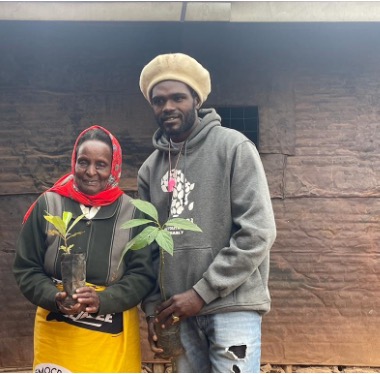
TL;DR: Indigenous knowledge and practices, like recharge trenches and biochar, offer effective, localized climate adaptation and sustainable agriculture solutions.
- Local innovations are crucial for climate adaptation.
- Shallow recharge trenches improve water retention.
- Biochar enhances soil health and sequesters carbon.
- Peer-to-peer learning scales sustainable practices.
- Combining tradition with modern science builds resilience.
Why it matters: Integrating Indigenous knowledge into modern agricultural practices significantly boosts climate resilience and food security, especially in vulnerable communities.
Do this next: Research local Indigenous agricultural practices in your region and explore how they can be adapted to your farm or garden.
Recommended for: Farmers, permaculture practitioners, and community developers interested in culturally relevant and ecologically sound climate adaptation strategies.
This article explores the integration of Indigenous knowledge systems into adaptation and agriculture, highlighting practical examples from Zambian communities like Magoye and Mutema Bweengwa. These communities implement ecosystem-based adaptation through shallow recharge trenches, approximately 5 meters long and 1 meter deep, which capture rainwater, enhance groundwater recharge, reduce soil erosion, and support sustainable agriculture and pasture growth. This nature-based solution demonstrates how local innovations can address climate challenges effectively. The author applies these insights to their work in Eastern Kenya, training smallholder farmers in arid regions on soil fertility and water retention techniques. Key Indigenous methods emphasized include pest control, soil amendment using biochar—a carbon-rich material produced from biomass pyrolysis that improves soil structure, nutrient retention, and water-holding capacity—and water conservation practices. Biochar's role as a foundational strategy underscores its longevity in soil, potentially sequestering carbon for centuries while boosting microbial activity and crop yields. The piece stresses peer-to-peer learning as a scalable mechanism for disseminating these techniques, fostering resilience without relying solely on external interventions. Combining these traditional practices with modern innovation and technology creates a sustainable adaptation formula that preserves cultural heritage, enhances food security, and builds long-term ecological resilience. It provides actionable details for practitioners, such as trench dimensions and biochar integration, offering concrete steps for replication in similar agroecological contexts facing drought and degradation. The narrative illustrates transformative power through real-world application, emphasizing relational approaches where knowledge exchange empowers local stewards to innovate contextually.