Off-Grid Permaculture: Piglet Joy on the Smallholding
By Permaculture Magazine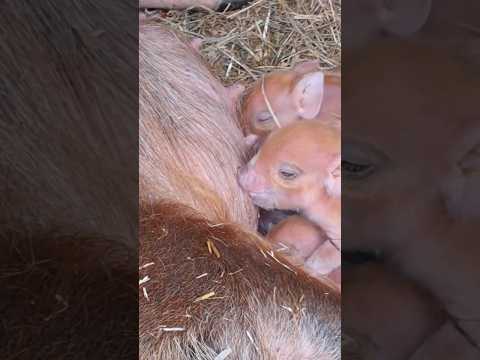
TL;DR: New piglets on a smallholding demonstrate the benefits of integrating livestock into a permaculture system for soil health, nutrient cycling, and food security.
- Piglets enhance soil health through natural tillage.
- Livestock contribute to nutrient cycling in permaculture.
- Pigs support self-sufficiency and food security.
- Ethical animal husbandry is central to permaculture.
- Integrating animals reduces reliance on external systems.
Why it matters: The arrival of new livestock, such as piglets, significantly contributes to the ecological balance and self-sufficiency of a permaculture smallholding by improving soil, managing vegetation, and providing food resources.
Do this next: Consider how integrating appropriate livestock could benefit your own land management and food production goals.
Recommended for: Anyone interested in integrating livestock into a permaculture system for ecological benefits and increased self-sufficiency.
The article from Permaculture Magazine highlights a significant event on a smallholding: the arrival of a new litter of piglets. This occurrence is presented as a joyous and important milestone within the permaculture and off-grid lifestyle practiced on the property. The birth of these animals signifies a successful integration of livestock into the permaculture design, contributing to the self-sufficiency and ecological balance of the smallholding.
The arrival of piglets is not merely a cute event but holds practical implications for the permaculture system. Pigs, when managed appropriately, can play a crucial role in land management. They are natural tillers, using their snouts to root around, which can help break up compacted soil, aerate it, and prepare areas for planting. This natural behavior can reduce the need for mechanical tilling, aligning with permaculture principles of minimal intervention and working with natural processes. Furthermore, their foraging activities can help clear unwanted vegetation, including weeds, and their manure provides valuable organic matter and nutrients, enriching the soil and supporting the growth of other plants in the system. This integration of animals into the nutrient cycle is a cornerstone of permaculture, creating a closed-loop system where waste from one element becomes a resource for another.
For a smallholding aiming for off-grid living, the piglets represent a future food source, contributing to the household's food security and reducing reliance on external food systems. Raising animals on-site allows for greater control over their welfare, diet, and the quality of the resulting product, which is often a key motivation for those pursuing a permaculture lifestyle. The article implicitly suggests that the pigs will be raised ethically and sustainably, in line with permaculture values that prioritize animal well-being and ecological health.
Beyond their practical contributions, the presence of livestock like pigs also adds to the overall biodiversity and resilience of the smallholding. They interact with the landscape in unique ways, creating microhabitats and influencing plant succession. Their activities can also contribute to pest control by consuming insects and grubs. The joy expressed over their arrival underscores the emotional and psychological benefits of living closely with nature and participating directly in food production. It reinforces the connection between humans, animals, and the land, which is a core tenet of permaculture.
The article, through its brief but impactful description, conveys that the birth of these piglets is a positive indicator of the smallholding's progress towards its permaculture and off-grid goals. It symbolizes growth, abundance, and the successful implementation of sustainable practices that aim to create a thriving, self-sufficient ecosystem. The event serves as a highlight, reinforcing the rewards and satisfaction derived from this particular way of life.