2024 Sod Prep for Flower Gardens: Lawn to Bloom Guide
PermaNews Brief
Key Takeaways
Transforming a lawn into a thriving flower garden requires thoughtful planning and preparation, focusing on site selection, soil health, and proper grading.
- Choose a sunny, well-draining site considering soil type.
- Clear existing vegetation manually, by solarization, or with herbicide.
- Test soil to determine pH and nutrient needs for amendments.
- Incorporate organic matter to improve soil structure and fertility.
- Grade and level the bed for uniform water distribution and drainage.
Why It Matters
Proper preparation ensures a strong foundation for your flower garden, leading to healthier plants, reduced maintenance, and a more beautiful landscape.
What to Do Next
Test your garden soil to understand its current composition and inform necessary amendments.
Recommended for: New gardeners looking for a comprehensive guide to establishing a flower garden from scratch.
Preparing a lawn for the installation of a flower garden involves several crucial steps to ensure the new garden's success. The process begins with careful site selection, considering factors like sunlight exposure, soil type, and drainage. Most flowering plants thrive with ample sunlight, ideally six to eight hours daily, though some varieties prefer partial shade. Understanding the existing soil is also vital, as it dictates necessary amendments.
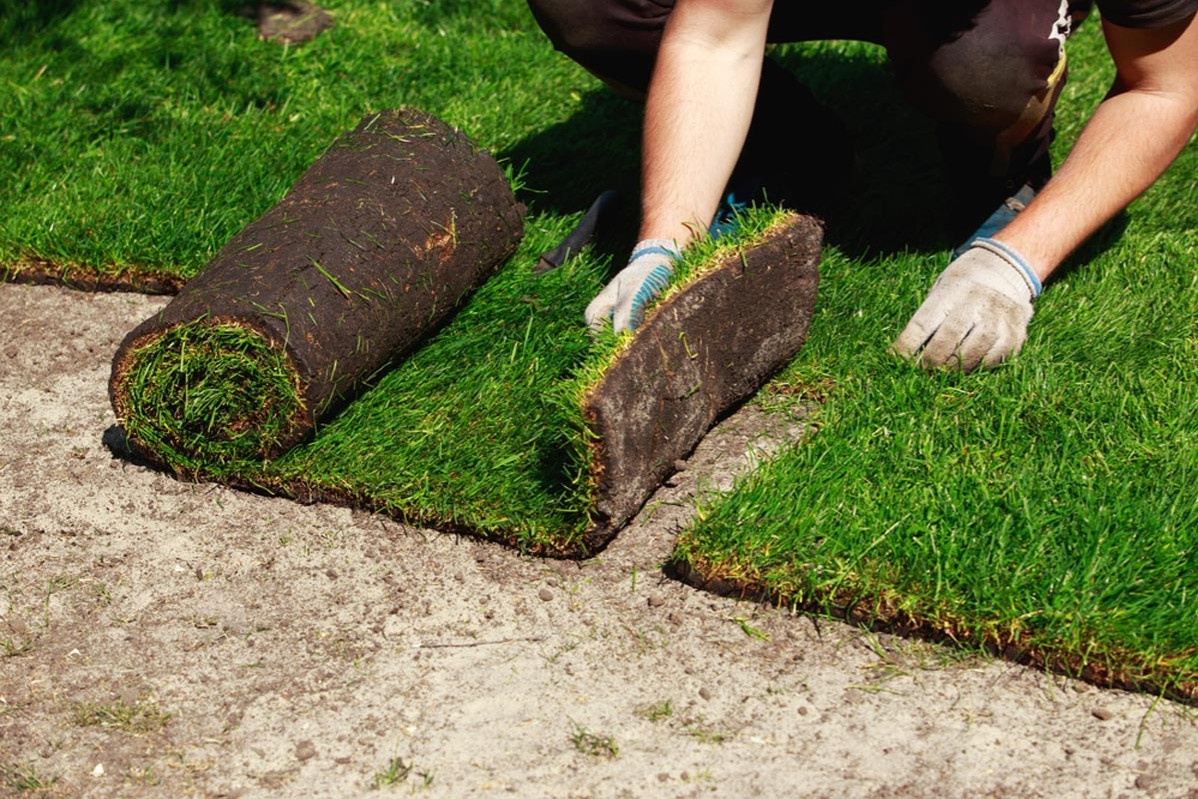
Once a suitable location is identified, the next phase involves clearing the area. This means removing any existing vegetation, such as grass, weeds, or debris. Various methods can be employed for this task. Manual removal, involving digging up turf and weeds, is a labor-intensive but chemical-free option. Alternatively, solarization, which uses clear plastic sheeting to heat the soil and kill unwanted plants and seeds, offers an environmentally friendly approach over several weeks. For larger areas or stubborn growth, a non-selective herbicide can be used, though this requires careful application and adherence to safety guidelines.
After clearing the site, soil preparation is paramount. A soil test is highly recommended to determine the soil's pH level and nutrient composition. This information guides the selection of appropriate amendments. For instance, if the soil is too acidic or alkaline, lime or sulfur can be added to adjust the pH to a range suitable for most flowers (typically between 6.0 and 7.0). Organic matter, such as compost, well-rotted manure, or leaf mold, is almost universally beneficial. It improves soil structure, enhances drainage in heavy clay soils, increases water retention in sandy soils, and provides a slow release of nutrients. These amendments should be thoroughly incorporated into the top six to twelve inches of soil.
Proper grading and leveling of the garden bed are also essential. This ensures uniform water distribution and prevents pooling, which can lead to root rot. Any significant slopes should be gently contoured to facilitate drainage away from structures. Once the soil is prepared and leveled, the area should be lightly compacted to remove large air pockets, but not so much that it becomes overly dense.
The final step before planting involves a period of rest for the prepared bed. Allowing the soil to settle for a week or two, and watering it periodically, helps to reveal any low spots that might need further leveling. This also gives any remaining weed seeds a chance to germinate, which can then be easily removed before planting the desired flowers. By meticulously following these preparatory steps, gardeners can establish a robust foundation for a vibrant and flourishing flower garden, maximizing its chances of long-term health and beauty. The emphasis throughout is on creating an optimal growing environment that supports the specific needs of the chosen flowering plants.
Source: urbanfarmonline.com
Related Analysis
- Food Forest Courses Shift From Theory to Build-Ready Skills — Several food forest courses now open with site assessment and guild-building rather than design theory, suggesting a dev…
- Practitioners Build Silvopasture Playbook Before Researchers Catch Up — A small but consistent set of signals from the Northeast U.S. shows farmers actively piloting silvopasture while formal …
Related on PermaNews
- Essential Soil Preparation Techniques for Sustainable Gardening (Video)
- Frühlingserwachen: Biogärtner-Rundgang im Gartenparadies (Video)
- Spring Soil Prep: Chop & Drop Techniques for Fertility (Video)
- 2-Day Chicken Tilling: Garden Prep for Permaculture (Video)
- Container Grapes: DIY Trellis, Soil & Bonus Wedding! (Video)
- Maximize Flower Yield in Small Spaces (Video)
Explore more in Food Systems & Growing — the full hub for this knowledge area.