Farm Bill, Deforestation: Food Tank's Weekly Agri-News
By Elena Seeley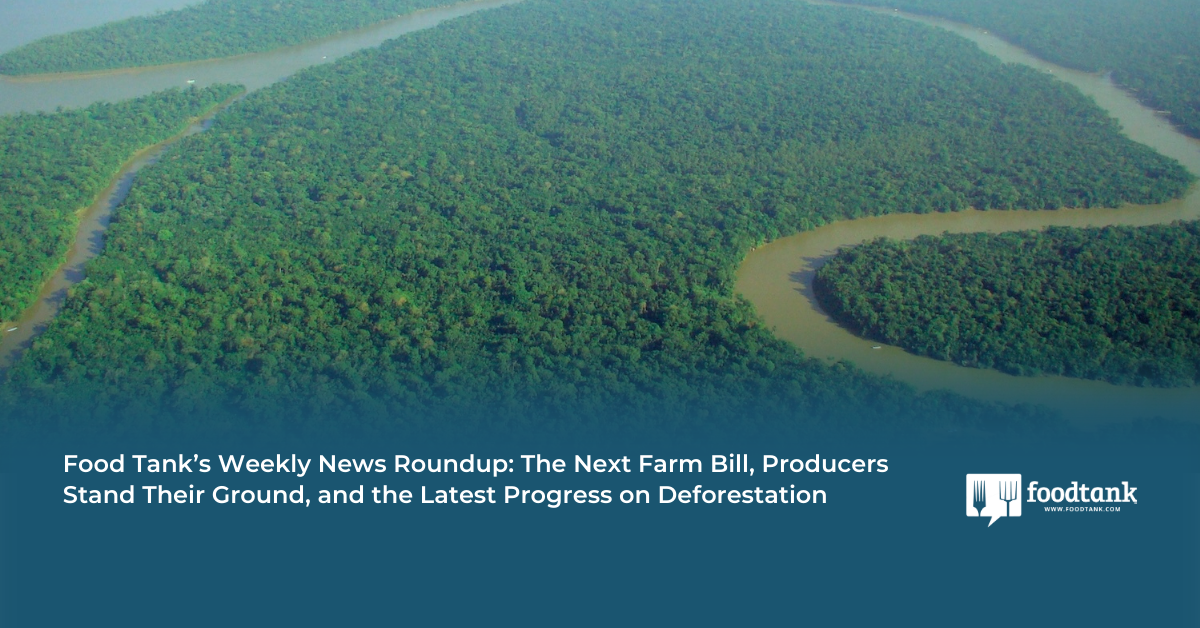
PermaNews Brief
Key Takeaways
The latest agricultural news covers the US Farm Bill debates, Brazil's anti-deforestation progress, and farmer resistance to data center expansion.
- Farm Bill faces debates on funding for nutrition and conservation.
- Farmers oppose data centers encroaching on agricultural land.
- Brazil shows progress in reducing Amazon deforestation rates.
- Sustainable farming practices seek increased government support.
- Crop insurance reforms are under discussion for small farms.
Why It Matters
These developments directly influence food systems, environmental health, and the economic viability of farms, affecting everyone from consumers to agricultural producers.
What to Do Next
Research local initiatives supporting sustainable agriculture and consider getting involved.
Recommended for: Policy makers, environmental activists, farmers, and consumers interested in the broad landscape of agricultural and environmental news.
This week's agricultural news roundup highlights several significant developments, including the ongoing discussions surrounding the next Farm Bill in the United States, efforts to curb deforestation in Brazil, and the resistance from agricultural producers against the expansion of data centers onto farmland.
The legislative process for the upcoming Farm Bill is a central topic, with various stakeholders actively engaged in shaping its provisions. This comprehensive piece of legislation, renewed every five years, dictates a wide range of agricultural and food policies, impacting everything from commodity subsidies and conservation programs to food assistance initiatives. Current debates are reportedly focusing on funding levels, particularly for nutrition programs like the Supplemental Nutrition Assistance Program (SNAP), and the allocation of resources for conservation efforts. Farmers and environmental groups are advocating for increased support for sustainable farming practices and climate-resilient agriculture. There are also discussions about crop insurance reforms and how to best support small and medium-sized farms amidst increasing consolidation in the agricultural sector. The timeline for the bill's passage remains a point of interest, with various political and economic factors influencing its progression through Congress.
Concurrently, significant progress is being reported in Brazil's efforts to combat deforestation, particularly in the Amazon rainforest. This issue has global implications due to the Amazon's critical role in regulating the Earth's climate and biodiversity. Recent data indicates a notable reduction in deforestation rates, attributed to renewed governmental commitment and stricter enforcement of environmental regulations. These efforts include increased monitoring, combating illegal logging and mining, and promoting sustainable land use practices. The success of these initiatives is crucial for preserving the Amazon's ecological integrity and mitigating climate change. However, challenges persist, including the need for long-term sustainable economic alternatives for local communities and continued vigilance against illegal activities.
Another prominent issue gaining attention is the growing opposition from agricultural producers to the development of data centers on prime farmland. Across various regions, farmers are expressing concerns about the loss of productive agricultural land to industrial development. Data centers, which require large tracts of land and significant infrastructure, are increasingly being built in rural areas due to the availability of space and access to power grids. Farmers argue that this trend threatens food security, disrupts rural communities, and diminishes the agricultural heritage of these areas. They are advocating for policies that prioritize the preservation of farmland and encourage data center development on less agriculturally valuable land or in existing industrial zones. This resistance highlights a broader tension between technological expansion and the imperative to protect agricultural resources. The debate involves balancing economic development with environmental and food security considerations, prompting discussions about land-use planning and sustainable growth strategies.
Source: foodtank.com
Related Analysis
- Global Water Bankruptcy Forces Agricultural Adaptation — UN report reveals water bankruptcy across surface waters, glaciers, and groundwater, forcing immediate agricultural adap…
Related on PermaNews
- Federal Policy Shift: Native Regenerative Ag for Soil & Carbon (Article)
- Building Resilient Soils: Planning & Resources for Extreme Weather Events (Event)
- Navigating Global Water Bankruptcy: A UN Call for Agricultural Change (Article)
- Leveraging Agroecology and Regenerative Agriculture (Video)
- More Than Food: The Social Benefits of Localized Urban Agriculture (Article)
- Strengthening Community Health through Regenerative Food Systems (Case Study)
Explore more in Food Systems & Growing — the full hub for this knowledge area.