Dill & Garlic Fermented Radishes: Simple Probiotic Recipe
By Deanna Talerico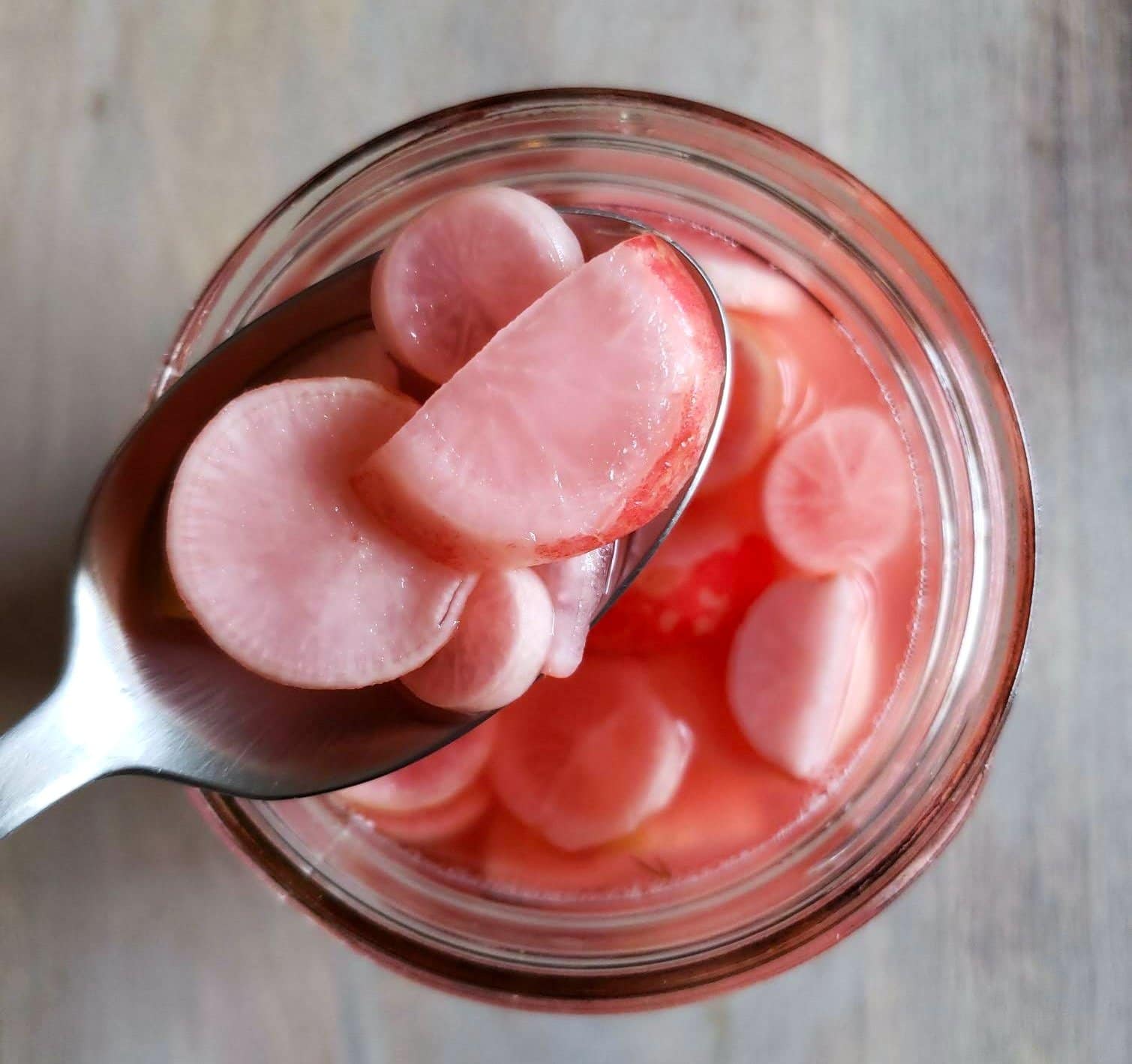
TL;DR: Lacto-fermentation transforms radishes into a tangy, probiotic-rich food using a simple brine, dill, and garlic.
- Fermentation enhances radish flavor and texture.
- Use fresh radishes for best results.
- Non-iodized salt is crucial for fermentation.
- Dill and garlic add classic savory notes.
- Glass jars are ideal for fermenting.
Why it matters: Fermenting radishes is a simple way to preserve them, boost their nutritional value through probiotics, and add a zesty, crunchy element to meals, reducing food waste and enriching your diet.
Do this next: Gather fresh radishes, non-iodized salt, dill, and garlic to start your first batch this week.
Recommended for: Anyone interested in beginner-friendly food preservation, gut health, or adding a tangy kick to their meals.
This article provides a guide to creating fermented radishes, emphasizing their tangy flavor, crisp texture, and probiotic benefits. The process is presented as straightforward, making it accessible for those interested in lacto-fermentation.
The recipe begins with the selection and preparation of radishes. It's recommended to choose fresh, firm radishes, ideally from a local market or garden, as their quality directly impacts the final product. After a thorough washing, the radishes are trimmed, removing both the greens and the root ends. They can then be sliced or left whole, depending on personal preference and desired presentation. Slicing can accelerate the fermentation process and allow for more flavor absorption.
The next crucial component is the brine. This recipe utilizes a simple salt and water solution. The type of salt is important; non-iodized salt, such as sea salt or kosher salt, is preferred because iodine can inhibit the growth of beneficial bacteria essential for fermentation. The concentration of salt in the brine is also key, typically falling within a range that encourages fermentation while preventing spoilage. The article likely suggests a specific ratio of salt to water to achieve optimal results.
Flavorings are then introduced to enhance the fermented radishes. Dill and garlic are highlighted as primary additions, contributing a classic, savory profile. Fresh dill sprigs and peeled garlic cloves are commonly used. Other potential additions, though not explicitly detailed in the provided snippet, could include peppercorns, mustard seeds, or chili flakes for added complexity and heat. These aromatics are placed in the fermentation vessel along with the prepared radishes.
The fermentation vessel itself is an important consideration. Glass jars, such as Mason jars, are commonly used due to their non-reactive nature and ability to be sealed. The radishes and flavorings are packed into the jar, ensuring there's enough space at the top for the brine and to accommodate any expansion during fermentation.
Once the radishes and flavorings are in the jar, the prepared brine is poured over them, completely submerging all the solids. It's critical that the radishes remain submerged throughout the fermentation process to prevent mold growth. This can be achieved using fermentation weights, a smaller jar filled with water, or even a clean cabbage leaf to hold everything below the brine level.
The jar is then sealed, often with an airlock lid or a regular lid that is "burped" daily to release built-up gases. The fermentation process typically takes place at room temperature, away from direct sunlight. The duration of fermentation can vary, usually ranging from a few days to a couple of weeks, depending on the desired tanginess and the ambient temperature. The article likely advises tasting the radishes periodically to determine when they have reached the preferred level of fermentation.
Once fermentation is complete, the radishes are transferred to the refrigerator, which slows down the fermentation process and preserves their crispness and flavor. Stored in the refrigerator, fermented radishes can last for several weeks or even months.
The article emphasizes the versatility of these fermented radishes, suggesting their use in various culinary applications. They can add a tangy crunch to salads, sandwiches, and tacos. Their vibrant color and distinct flavor also make them an excellent addition to charcuterie boards, offering a refreshing contrast to richer items. Beyond their culinary appeal, the article underscores the health benefits associated with lacto-fermented foods, particularly their contribution to gut health through the introduction of beneficial probiotics. This makes them not only a delicious condiment but also a functional food.