Pressure Canning 101: Day 4 - Beginner's Guide to Safe Canning
By Self Sufficient Homesteading & Gardening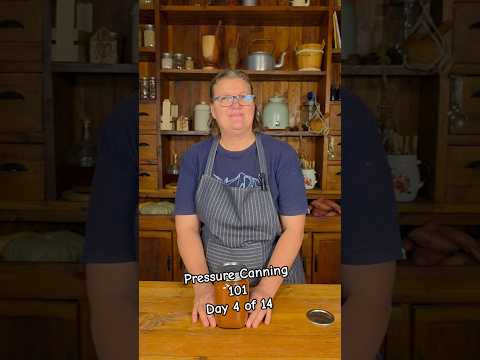
PermaNews Brief
Key Takeaways
Mastering pressure canning safely requires understanding your equipment, conducting practice runs, and meticulous maintenance to ensure successful food preservation.
- Read your canner manual thoroughly for safe operation.
- Perform a water bath test run to familiarize yourself with the canner.
- Inspect all canner components regularly for wear.
- Understand sealing rings, vent pipes, and pressure regulators.
- Pressure canning enables long-term food storage.
Why It Matters
Safe and effective pressure canning extends food shelf life, reduces waste, and provides food security, especially for homesteaders or those with abundant harvests.
What to Do Next
Consult your pressure canner manual and conduct a water bath test run with empty jars to practice the process.
Recommended for: Ideal for beginner homesteaders, keen gardeners, or anyone looking to safely and efficiently preserve low-acid foods.
This article, part of a 14-day series on pressure canning, focuses on the practical aspects of using a pressure canner, particularly for beginners. It emphasizes the importance of understanding the equipment and following safety guidelines to ensure properly preserved food.
The author begins by highlighting the necessity of reading the instruction manual that comes with any pressure canner. This manual contains crucial information specific to the model, including assembly, operation, maintenance, and troubleshooting. Ignoring this step can lead to confusion, improper use, and potentially unsafe canning practices.
A key piece of advice for new canners is to perform a "water bath" test run before processing any food. This involves filling the canner with the recommended amount of water, placing empty jars inside, sealing the lid, and bringing it up to pressure according to the manual's instructions. This practice run allows the user to become familiar with the canner's sounds, how it builds and maintains pressure, and the process of venting and cooling, all without the added pressure of potentially spoiling food. It helps build confidence and identify any issues with the equipment before actual food preservation begins.
The article then delves into the components of a pressure canner. The main body of the canner is typically a heavy-gauge pot designed to withstand high pressure. The lid is a critical component, featuring a gasket or sealing ring that creates an airtight seal. It also includes a vent pipe, which allows steam to escape during the initial venting phase, and a pressure regulator or weighted gauge, which controls and indicates the internal pressure. Some canners also have an overpressure plug, a safety feature designed to release steam if the pressure becomes too high. The importance of regularly inspecting these components for wear and tear, especially the gasket, is stressed. A worn gasket can prevent a proper seal, leading to pressure loss and unsafe canning.
The process of pressure canning is broken down into several stages. First, jars are filled with food and liquid, leaving appropriate headspace as specified by the recipe. The jars are then placed in the canner on a rack, ensuring they don't touch the bottom directly. Water is added to the canner, usually a few inches, but again, the manual provides precise measurements. The lid is then securely fastened.
Next comes the venting process. The canner is heated, and steam will begin to escape from the vent pipe. It's crucial to allow the canner to vent for a specific amount of time, typically 10 minutes, to ensure all air is expelled from the canner. This step is vital because air pockets can lead to inaccurate pressure readings and interfere with proper heat penetration, compromising food safety. After venting, the pressure regulator or weighted gauge is placed on the vent pipe, and the heat is adjusted to bring the canner up to the required pressure.
Maintaining the correct pressure for the specified processing time is paramount. Fluctuations in pressure can affect the safety and quality of the canned goods. The article advises against rapid temperature changes during this phase. Once the processing time is complete, the heat is turned off, and the canner is allowed to cool down naturally until the pressure drops to zero. Forcing the cooling process can cause liquid to siphon out of the jars and can be dangerous. Only after the pressure gauge reads zero should the pressure regulator be removed, and the lid carefully opened away from the user to avoid steam burns.
Finally, the jars are removed from the canner and placed on a towel or cooling rack, ensuring they are not disturbed for 12-24 hours to allow them to seal properly. The article concludes by reiterating that while pressure canning might seem intimidating initially, following the instructions and practicing with water can make it a safe and rewarding method of food preservation.
Source: youtube.com
Related Analysis
- Campbell's Corporate Grants Push Farmers Into Regenerative Trials — Campbell's Grower Grants are funding real-acre regenerative trials, offering a corporate-backed mechanism for on-farm ex…
- Global Water Bankruptcy Forces Agricultural Adaptation — UN report reveals water bankruptcy across surface waters, glaciers, and groundwater, forcing immediate agricultural adap…
Related on PermaNews
- Transform 6 Weeks of Rhubarb into 25 Years of Preservation (Video)
- Transform 6 Weeks of Rhubarb for 25 Years of Preservation (Video)
- Chris Locke's Zero-Waste Fermentation: 4 Products from Limes at Baldío (Video)
- Sicher Einkochen: Drucktopf-Methoden für resiliente Vorräte 2024/25 (How-To Guide)
- Solarrauchkammer bauen: Fleisch & Fisch nachhaltig räuchern (How-To Guide)
- Holzers Fermentations-Guide: Gemüse & Sauerkraut haltbar machen (How-To Guide)
Explore more in Food Systems & Growing — the full hub for this knowledge area.