Gourd Worm Farm Check-Up: Essential Maintenance Tips
By Self Sufficient Homesteading & Gardening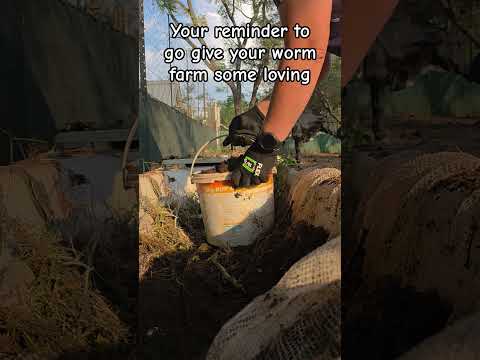
PermaNews Brief
Key Takeaways
Regularly maintaining your worm farm ensures optimal conditions for composting and prevents common problems like imbalanced moisture or improper feeding.
- Monitor moisture levels to keep worms healthy.
- Adjust food supply based on worm consumption.
- Observe worm activity for population health.
- Prevent anaerobic conditions and pests.
- Regular checks lead to efficient decomposition.
Why It Matters
Consistent worm farm maintenance optimizes organic waste decomposition and creates a thriving ecosystem, reducing waste and producing valuable compost.
What to Do Next
Perform a moisture check and a squeeze test on your worm farm bedding today.
Recommended for: Anyone looking to start or improve their worm composting efforts, particularly those using gourd-based systems.
The article from Self Sufficient Homesteading & Gardening emphasizes the importance of regular maintenance and observation for a thriving worm farm, particularly for those utilizing gourds as their worm composting vessels. It highlights that while worm farms are generally low-maintenance, they are not entirely self-sufficient and require periodic attention to ensure optimal conditions for the worms and efficient decomposition of organic waste.
One of the primary reasons for consistent checking is to monitor the moisture levels within the worm farm. Worms require a consistently damp, but not waterlogged, environment to breathe and thrive. If the bedding becomes too dry, the worms will suffer and may even attempt to escape. Conversely, excessive moisture can lead to anaerobic conditions, producing foul odors and creating an unhealthy environment that can attract pests or cause the worms to drown. The article suggests that visual inspection and a simple squeeze test of the bedding can help determine if the moisture content is appropriate.
Another crucial aspect of regular checks involves assessing the food supply. Worms are voracious eaters, but their consumption rate depends on various factors, including the worm population size, temperature, and the type of food scraps provided. Overfeeding can lead to an accumulation of uneaten food, which can decompose anaerobically, attract unwanted pests like fruit flies, and create an acidic environment detrimental to the worms. Underfeeding, on the other hand, will slow down the composting process and can lead to a decline in the worm population as they search for alternative food sources or starve. The article recommends observing how quickly food is consumed and adjusting feeding amounts accordingly.
The article also points out the necessity of monitoring the overall health and activity of the worm population. A healthy worm farm will exhibit active worms throughout the bedding, busily consuming organic matter. A decline in activity, a large number of worms congregating at the edges or attempting to escape, or the presence of dead worms can all be indicators of underlying problems. These issues could stem from incorrect pH levels, unsuitable temperatures, lack of aeration, or the introduction of harmful substances.
Furthermore, regular inspection allows for the identification and removal of any unwanted pests or organisms. While some beneficial insects and microorganisms are part of a healthy worm farm ecosystem, others, such as certain types of mites, ants, or maggots, can indicate an imbalance or become problematic if their populations grow too large. Early detection and intervention can prevent these issues from escalating.
Finally, the article implicitly suggests that regular checks are vital for harvesting vermicompost and worm castings at the appropriate time. As the worms process the organic matter, they produce nutrient-rich castings, which are highly beneficial for plants. Knowing when the castings are ready for harvest ensures that the worm farm remains productive and that the valuable end product can be utilized effectively in the garden. In essence, consistent observation and minor adjustments are key to maintaining a productive and healthy worm farm, ensuring a continuous supply of nutrient-rich compost for gardening endeavors.
Source: youtube.com
Related Analysis
- Colorado Beekeeper Lost 85% of Hives in 2021 — A Colorado beekeeper lost 85% of his hives in 2021. The sudden collapse raises questions about pesticide exposure in com…
- Bee Colony Losses Rise as Research Funding Declines — US beekeepers mobilize against colony losses and shrinking research budgets. Learn how apiarists are adapting to reduced…
Related on PermaNews
- Ernst Götsch's Cacao Syntropy: Master Agroforestry Now (How-To Guide)
- Finnish Off-Grid: Rocket Mass Heater Performance in Greenhouse (Case Study)
- Berlins schwimmende Gärten: Permakultur auf dem Wasser (Case Study)
- Rodale Report 2025: Thermal Mass Boost in Solar Greenhouses (Case Study)
- Nakivale's Regenerative Toilets: Refugee Resilience, Circular Sanitation (Case Study)
- AUTarcaMatricultura La Palma: Permakultur & Energieautarkie (How-To Guide)
Explore more in Food Systems & Growing — the full hub for this knowledge area.