Lacto-Fermentation: Veggie Fundamentals & Salt Ratios
By The Seasonal Homestead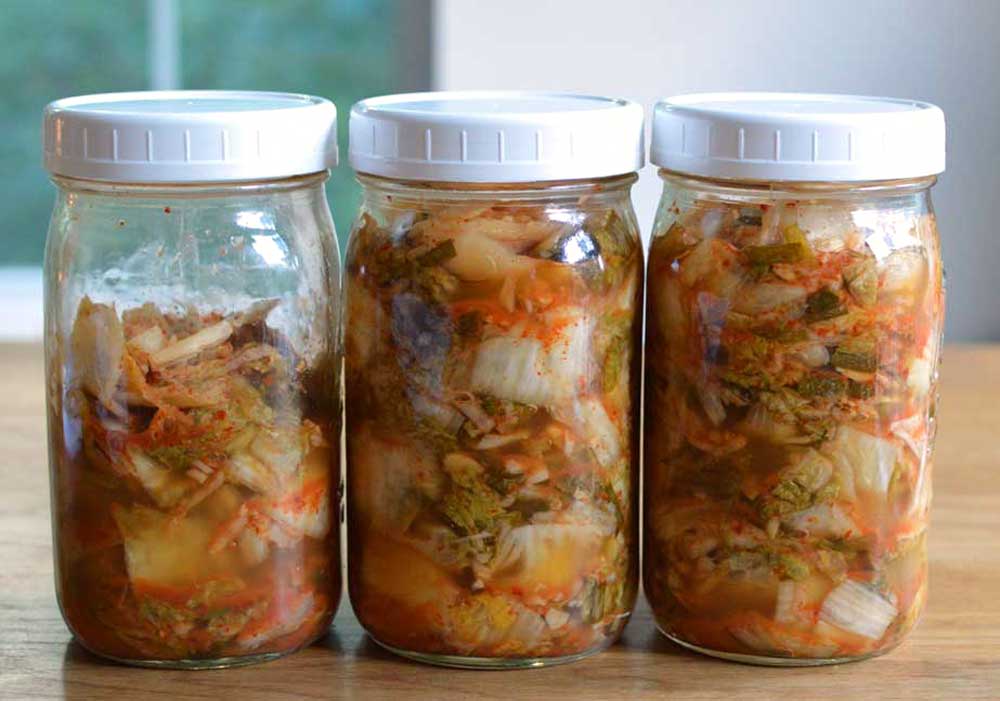
PermaNews Brief
Key Takeaways
Lacto-fermentation offers a simple, effective method for preserving vegetables using naturally present bacteria, salt, and an anaerobic environment.
- Lacto-fermentation uses beneficial bacteria, salt, and vegetables.
- Salt concentration is crucial for safety and texture.
- Brine creation varies by vegetable water content.
- Submerging vegetables prevents spoilage.
- Preserves harvests without electricity or complex tools.
Why It Matters
This preservation method extends the shelf life of produce, enhances its nutritional value through probiotics, and reduces food waste.
What to Do Next
Start with a simple recipe, like sauerkraut, to practice basic lacto-fermentation techniques.
Recommended for: Homesteaders, regenerative farmers, and anyone interested in sustainable, traditional food preservation with added health benefits.
Lacto-fermentation is a traditional food preservation method that requires three essential components: microbes, vegetables, and salt. The process works through Lactobacillus bacteria naturally present on vegetables, which convert sugars into lactic acid. Salt plays a critical role in successful fermentation by maintaining texture (keeping foods crunchy), drawing water from plant cells to create brine, and preventing harmful bacteria from dominating beneficial bacteria. According to fermentation experts Kristen and Christopher Shockey, a standard salt concentration of 1.5% by weight of vegetables prevents decomposition and ensures safe preservation. For vegetables with high water content like cabbage, adding salt alone draws out sufficient moisture to create a brine. However, vegetables with lower water content require mixing salt with added water to achieve proper brine concentration. The salt brine is essential to both successful and safe vegetable fermentation, as it creates the anaerobic environment necessary for lactic acid production. Optional equipment includes a food processor or mandoline for chopping vegetables, though a sharp knife works adequately. A tamper or wooden spoon helps pack vegetables tightly into fermentation vessels, which is important for keeping vegetables submerged under the brine throughout the fermentation process. This method has been used for centuries as a reliable way to preserve vegetable harvests while enhancing their nutritional profile through probiotic development. The simplicity of the process—requiring only basic ingredients and minimal equipment—makes it accessible for homesteaders and regenerative farmers seeking to preserve surplus crops without electricity or complex processing.
Source: theseasonalhomestead.com
Related Analysis
- Research Flips Silvopasture Case From Ecological to Economic — A June 2026 study quantifies silvopasture's economic and ecological returns for dairy farms in the eastern US, giving pr…
- Food Forest Courses Shift From Theory to Build-Ready Skills — Several food forest courses now open with site assessment and guild-building rather than design theory, suggesting a dev…
Related on PermaNews
- Borneo's Rainforest Revival: Dr. Smits' Sugar Palm Village Hub (Case Study)
- Holmgren's 40 Yrs: Abundant Permaculture Design Webinar 3 (Video)
- Homesteader AJ Richards Shares Insights from Ag Secretary Meeting (Podcast)
- Autarke Solarstromversorgung im Haus: Praxisnahes Konzept mit Photovoltaik, Speicher und Inselbetrieb (How-To Guide)
- Hands-on Permaculture - Extended Weekend Training (Event)
- Early Summer Lunch and Learn Series: Farmer-to-Farmer Skill Share (Event)
Explore more in Food Systems & Growing — the full hub for this knowledge area.