Matt Powers: 4-Year-Old Compost Still Viable? Shocking Results!
By Matt Powers - Regenerative Soil & Permaculture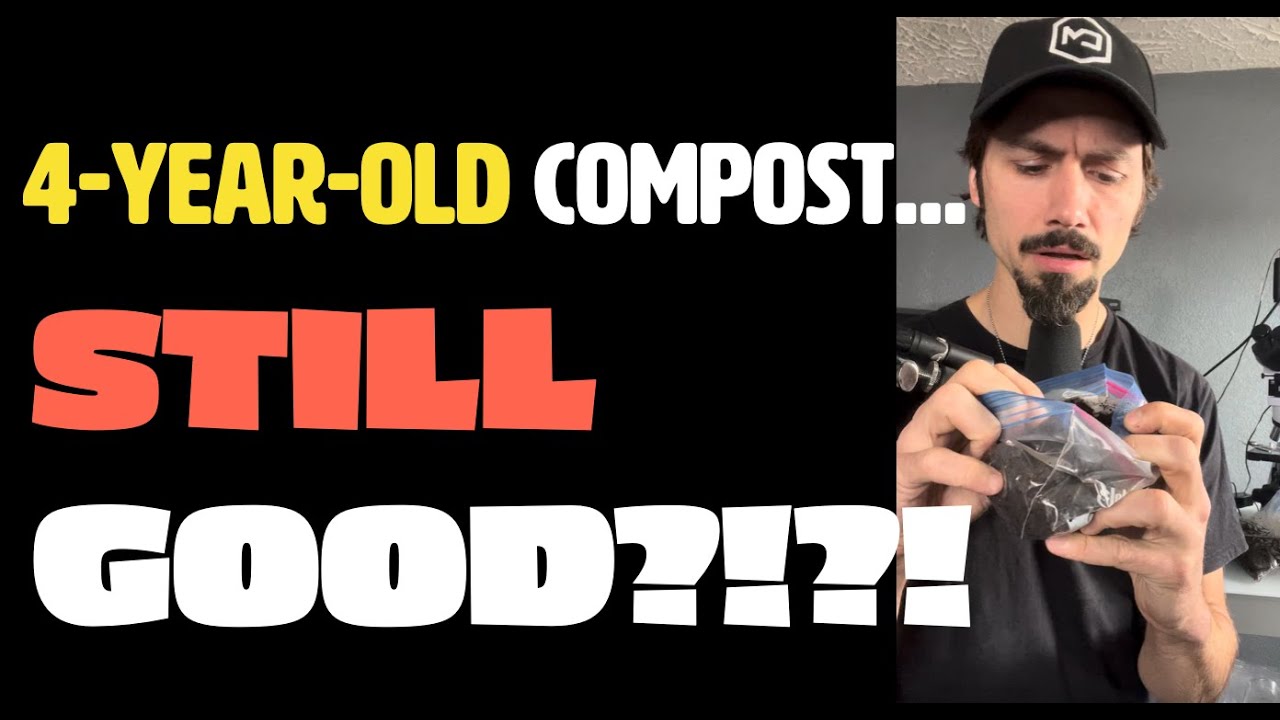
PermaNews Brief
Key Takeaways
Well-made compost can remain viable and microbially active for years if stored correctly, challenging assumptions about its shelf life.
- Compost quality endures with proper storage.
- Microbial life thrives even after years.
- Diverse organic matter creates resilient compost.
- Cool, shaded, aerated storage is key.
- Avoid waterlogging and anaerobic conditions.
Why It Matters
Understanding compost longevity allows for more flexible composting practices and reinforces the value of mature compost in soil health.
What to Do Next
Review your compost storage methods to optimize for long-term viability.
Recommended for: Gardeners, soil scientists, and permaculture enthusiasts interested in advanced composting techniques and soil microbiology.
A recent discussion with Matt Powers explored the surprising longevity and continued viability of a four-year-old compost sample, challenging common assumptions about compost degradation and shelf life. The central focus was a specific compost batch that had been stored for an extended period, yet still exhibited characteristics indicative of high quality and beneficial microbial activity.
The compost in question was initially created using a diverse range of organic materials, including food scraps, yard waste, and other readily available biomass. It underwent a typical hot composting process, reaching temperatures sufficient to break down organic matter and eliminate pathogens. Following this initial active phase, the compost was allowed to mature, a crucial step in developing a stable and nutrient-rich product.
The extended storage of this particular compost sample was not a deliberate experiment but rather a consequence of various circumstances. Despite the passage of four years, the compost retained a dark, earthy color and a pleasant, forest-floor aroma, both classic indicators of well-decomposed organic matter. More significantly, microscopic analysis revealed a thriving community of beneficial microorganisms. This included a diverse array of bacteria, fungi, protozoa, and nematodes, all essential components of a healthy soil food web. The presence of these organisms, even after such a long period, underscored the resilience of microbial ecosystems within a stable compost environment.
One key insight from the discussion was the importance of proper storage conditions for maintaining compost quality over time. The sample had been stored in a relatively cool, shaded, and somewhat aerated environment, preventing it from becoming waterlogged or completely anaerobic. These conditions likely contributed to the preservation of its microbial life and nutrient content. Excessive moisture can lead to anaerobic decomposition, producing undesirable odors and potentially harmful compounds, while complete desiccation can significantly reduce microbial activity.
The continued viability of this aged compost has significant implications for permaculture practitioners and regenerative agriculture. It suggests that compost, when properly made and stored, can be a long-term asset, rather than a perishable commodity. This challenges the notion that compost must be used immediately after maturation to maximize its benefits. The ability to store high-quality compost for extended periods offers greater flexibility in garden planning and resource management, allowing practitioners to build reserves for future use or to address specific soil needs as they arise.
Furthermore, the discussion highlighted the concept of "compost maturity" and its role in long-term stability. Mature compost is a stable humic substance, meaning its organic matter has been thoroughly broken down and reformed into complex, stable compounds. This stability contributes to its resistance to further rapid decomposition and its ability to retain nutrients and microbial life over time. Immature compost, on the other hand, would likely degrade more rapidly and lose its beneficial properties if stored for an extended duration.
The findings also touched upon the idea of compost as a "living soil amendment." Unlike synthetic fertilizers that provide isolated nutrients, compost introduces a complex biological system to the soil. The sustained microbial activity in the four-year-old sample demonstrates that this biological system can remain active and beneficial even after prolonged storage, ready to inoculate and enrich the soil upon application.
In essence, the examination of this four-year-old compost sample provided compelling evidence that well-made and properly stored compost can retain its quality and biological vitality for much longer than commonly perceived. This insight reinforces the value of investing in robust composting practices and offers a more flexible perspective on compost utilization within regenerative systems.
Source: youtube.com
Related Analysis
- Food Forest Courses Shift From Theory to Build-Ready Skills — Several food forest courses now open with site assessment and guild-building rather than design theory, suggesting a dev…
- Practitioners Build Silvopasture Playbook Before Researchers Catch Up — A small but consistent set of signals from the Northeast U.S. shows farmers actively piloting silvopasture while formal …
Related on PermaNews
- Ivana Gazibara's $1.4B Initiative to Revamp Midwest Agriculture (Video)
- Permaculture: Sustainable Design for Thriving Ecosystems (Article)
- Daniel Vidal's Beloved Zero-Waste Fine Dining Experience (Video)
- Benedetta Kyengo's Journey to Restore Paradise After the Green Revolution (Video)
- Pablo Usobiaga - Zero Waste, Ancient Farmland and Mexico City's First Green Michelin Star (Video)
- The Shade-to-Protein Curve: Why Cooler Pastures Grow More Meat (Video)
Explore more in Food Systems & Growing — the full hub for this knowledge area.