Top Worm Species for Optimal Composting Success
PermaNews Brief
Key Takeaways
Red Wigglers and European Nightcrawlers are top choices for efficient vermicomposting, turning organic waste into nutrient-rich soil. Choose based on climate and volume of waste.
- Red Wigglers excel in efficiency and rapid breeding.
- European Nightcrawlers process more material and tolerate cooler weather.
- Both worm species are crucial for healthy, nutrient-rich soil.
- Proper worm selection enhances composting success and speed.
Why It Matters
Selecting the right compost worms dramatically increases the efficiency and output of your vermicomposting system, directly improving soil health and reducing waste.
What to Do Next
Research local suppliers for Red Wigglers or European Nightcrawlers to start your vermicomposting bin this week.
Recommended for: Home gardeners, organic farmers, and sustainability enthusiasts looking to enhance soil health and manage organic waste effectively.
Compost worms play a crucial role in transforming organic waste into nutrient-rich compost, a vital component for healthy soil. Not all worms are suitable for this task; specific species, often referred to as composting worms or vermicomposting worms, are particularly effective due to their feeding habits and ability to thrive in confined, organic-rich environments. Understanding the characteristics of these worms is key to successful vermicomposting.
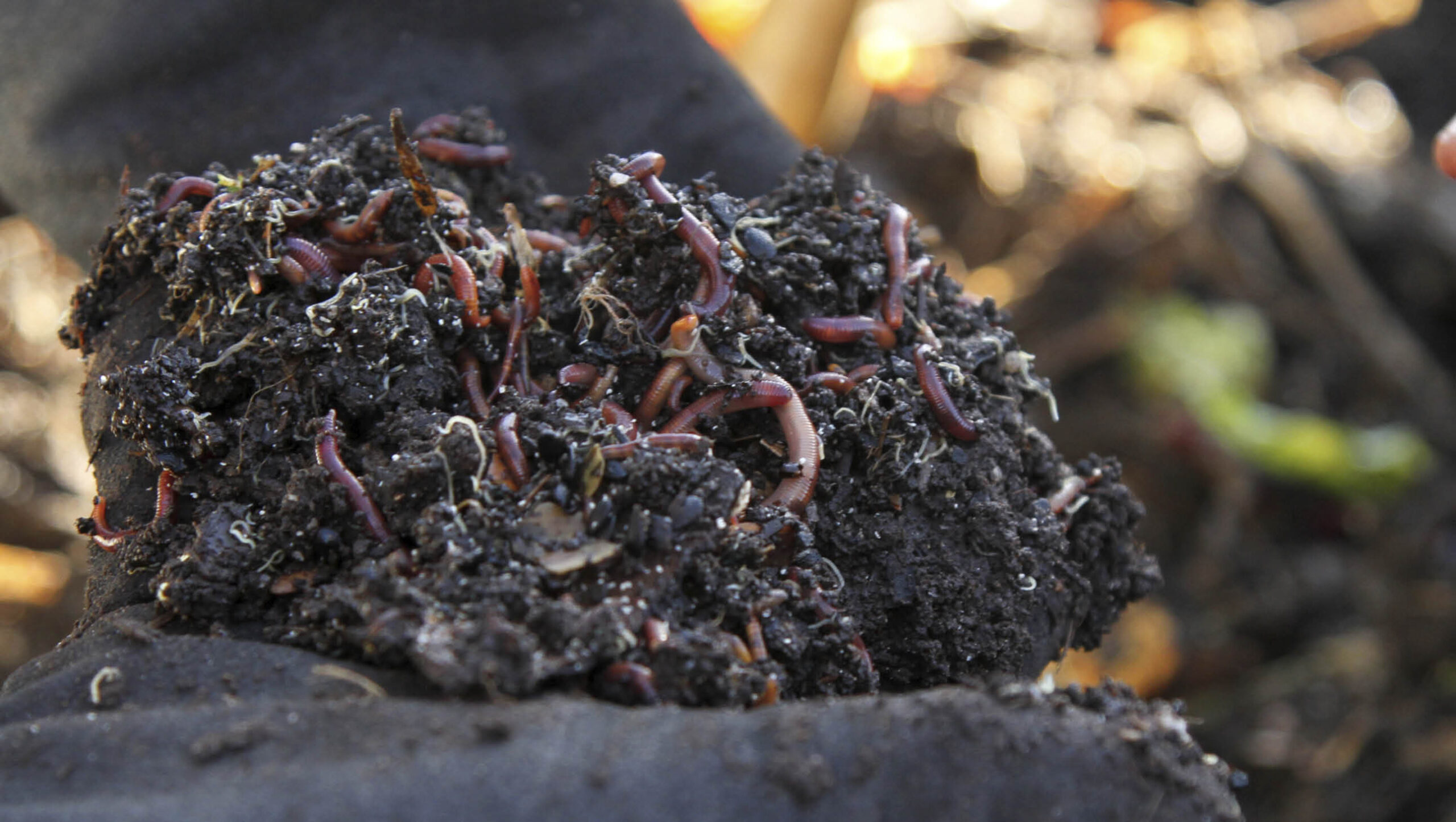
One of the most widely recognized and utilized composting worms is the Red Wiggler, scientifically known as *Eisenia fetida*. These worms are highly efficient at consuming organic matter, including food scraps, garden waste, and even some paper products. They are relatively small, typically growing to about 3-5 inches in length, and are characterized by their reddish-brown color and distinct banding. Red Wigglers are prolific breeders, which means a small initial population can quickly multiply, leading to a continuous and robust composting process. They are also quite tolerant of a range of environmental conditions, making them suitable for beginners. Their preferred habitat is moist, dark, and rich in decaying organic material, and they are surface dwellers, meaning they primarily feed in the top layers of the compost bin rather than burrowing deep into the soil.
Another excellent choice for vermicomposting is the European Nightcrawler, or *Eisenia hortensis*. While similar in appearance to the Red Wiggler, European Nightcrawlers are generally larger, often reaching lengths of 6-8 inches. This larger size allows them to process a greater volume of organic material. They are also known for their ability to tolerate slightly cooler temperatures than Red Wigglers, making them a good option for outdoor bins in temperate climates. European Nightcrawlers are also prolific breeders and contribute significantly to soil aeration through their burrowing activities, although they still primarily feed on the surface. Their larger castings can also contribute to a more substantial compost product.
The African Nightcrawler, *Eudrilus eugeniae*, is another species favored by some vermicomposters, particularly in warmer regions. These worms are even larger than European Nightcrawlers, sometimes exceeding 10 inches in length. They are exceptionally fast eaters and can process organic waste at an impressive rate, making them highly efficient for large-scale composting operations. However, African Nightcrawlers are more sensitive to temperature fluctuations and prefer warmer environments, typically thriving in temperatures between 70-85°F (21-29°C). They are not as tolerant of cold as Red Wigglers or European Nightcrawlers, which limits their suitability for cooler climates or unheated outdoor bins.
Beyond these primary species, other worms like the Blue Worm (*Perionyx excavatus*) are also used in vermicomposting, particularly in tropical and subtropical regions. Blue Worms are smaller and very active, known for their rapid processing of organic matter. However, they can be more sensitive to environmental changes and are prone to migrating out of bins if conditions are not ideal.
When selecting compost worms, it's important to consider the local climate, the type and volume of organic waste to be processed, and the desired speed of composting. Red Wigglers are often recommended for beginners due to their hardiness and adaptability. European Nightcrawlers offer a larger processing capacity and some cold tolerance, while African Nightcrawlers are ideal for rapid composting in warm environments. Regardless of the species chosen, providing a consistent supply of organic matter, maintaining appropriate moisture levels, and ensuring adequate ventilation are crucial for a thriving worm population and successful vermicomposting. The resulting worm castings are a highly beneficial soil amendment, enhancing soil structure, water retention, and nutrient availability for plants.
Source: organicgardener.com.au
Related Analysis
- Food Forest Courses Shift From Theory to Build-Ready Skills — Several food forest courses now open with site assessment and guild-building rather than design theory, suggesting a dev…
- Practitioners Build Silvopasture Playbook Before Researchers Catch Up — A small but consistent set of signals from the Northeast U.S. shows farmers actively piloting silvopasture while formal …
Related on PermaNews
- Federal Policy Shift: Native Regenerative Ag for Soil & Carbon (Article)
- Nagaland's Jhum-Alder Agroforestry: Climate-Smart Farming (Article)
- Aboriginal Cool Burns: Permaculture's Ancient Fire Wisdom (Case Study)
- Crop Rotation Boosts Soil Biodiversity: Global Meta-analysis (Article)
- Revolutionizing Agriculture: People, Nature, & a Fertile Earth (Article)
- Building Resilient Soils: Planning & Resources for Extreme Weather Events (Event)
Explore more in Food Systems & Growing — the full hub for this knowledge area.