War on Waste: Shifting Perception, Boosting Circularity
By Australian Broadcasting Corporation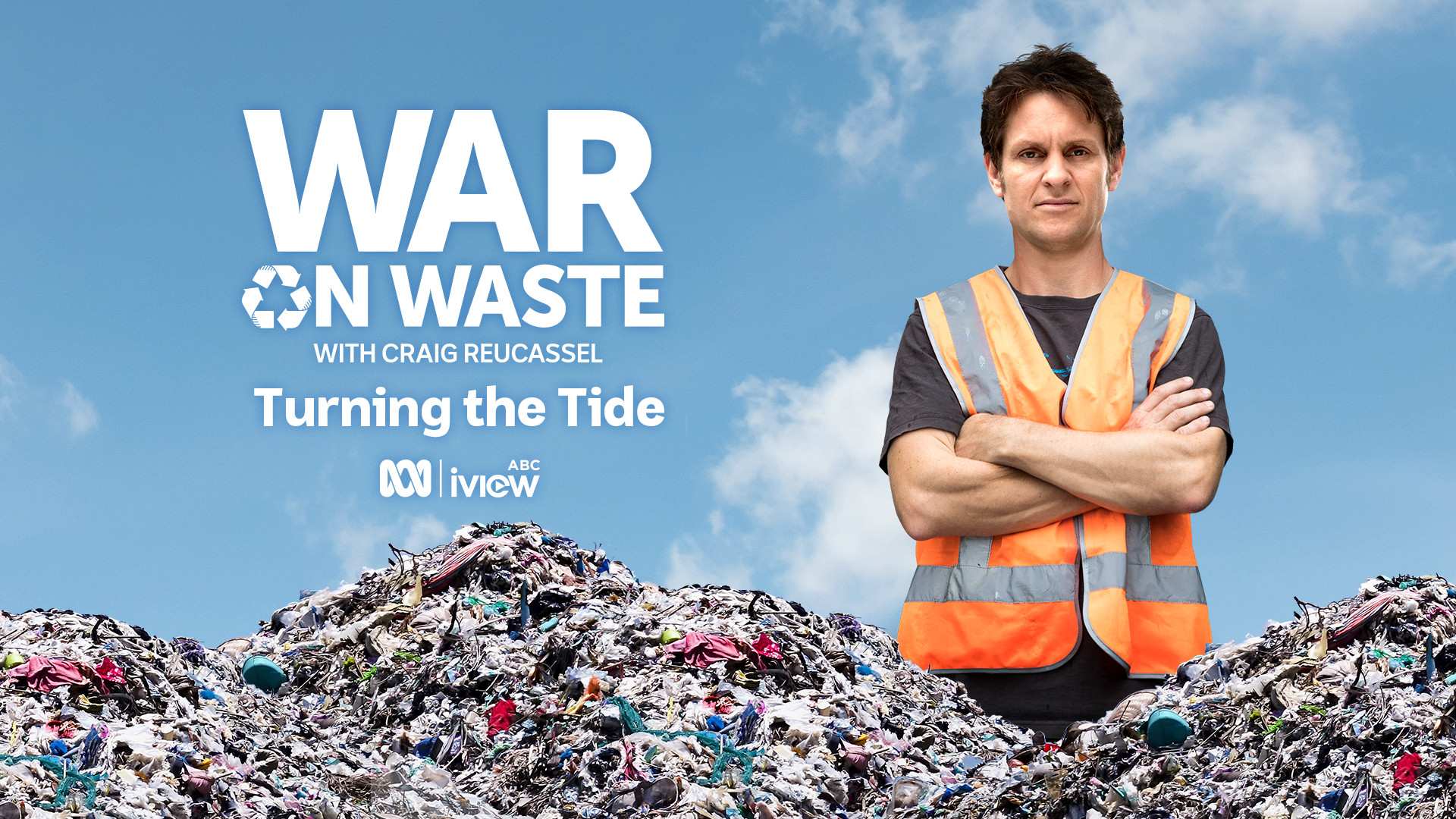
PermaNews Brief
Key Takeaways
The "War on Waste" campaign has significantly shifted public behavior and corporate practices towards waste reduction, particularly for plastics, food, and textiles, though a truly circular economy remains a distant goal.
- Public perception and habits around waste have improved.
- Single-use plastic awareness led to reusables adoption.
- Food waste focus improved consumer mindfulness and industry practices.
- Textile waste highlights fast fashion's environmental cost.
- Despite progress, circular economy requires more effort.
Why It Matters
Waste reduction initiatives directly impact environmental health and resource longevity, fostering sustainable practices in daily life and industry.
What to Do Next
Start using reusable bags and containers for your shopping and daily errands.
Recommended for: Anyone interested in understanding the societal impact of waste reduction campaigns and actionable steps for a more circular economy.
The "War on Waste" initiative has significantly influenced public perception and daily habits regarding waste reduction, though substantial work remains to be done to achieve a truly circular economy. Initially, the campaign highlighted the sheer volume of waste generated, particularly focusing on single-use plastics, food waste, and textile waste. This exposure led to a noticeable shift in consumer behavior and corporate practices.
One of the most prominent changes has been the increased awareness and reduction of single-use plastics. The campaign brought to light the environmental impact of items like plastic bags, coffee cups, and straws. This awareness spurred many individuals to adopt reusable alternatives, such as bringing their own shopping bags, coffee cups, and water bottles. Governments and businesses also responded, with many jurisdictions implementing bans or levies on plastic bags, and numerous cafes offering discounts for customers using reusable cups. Supermarkets, too, began exploring ways to reduce plastic packaging for fresh produce and other goods, though this area still presents considerable challenges due to concerns about food preservation and hygiene.
Food waste was another major focus, with the campaign revealing the staggering amount of edible food discarded at various stages, from farm to fork. This revelation encouraged households to be more mindful of their food purchases, storage, and consumption. Strategies like meal planning, understanding "best before" versus "use by" dates, and composting food scraps gained traction. Restaurants and food retailers also faced increased scrutiny, leading some to implement programs for donating surplus food to charities or exploring innovative ways to repurpose food that would otherwise be wasted. Despite these efforts, food waste remains a significant issue, often linked to consumer expectations for aesthetically perfect produce and large portion sizes.
The campaign also shed light on the fast fashion industry and the environmental burden of textile waste. The rapid turnover of clothing trends and the low cost of garments have led to a culture of disposability. The "War on Waste" encouraged consumers to consider the longevity of their clothing, repair items, donate usable garments, and explore options for recycling textiles. While some brands have begun to offer take-back programs or use recycled materials, the scale of textile waste continues to be immense, requiring more systemic changes in production and consumption patterns.
Beyond individual actions, the initiative also prompted a broader discussion about the limitations of recycling and the need for a more comprehensive approach to waste management. It became clear that while recycling is important, it is not a panacea. Issues such as contamination of recycling streams, the economic viability of recycling certain materials, and the lack of robust end markets for recycled products were brought to the forefront. This led to a greater emphasis on the "reduce" and "reuse" aspects of the waste hierarchy, advocating for products designed for durability, repairability, and eventual circularity.
Despite the positive shifts, the journey towards a truly waste-free society is ongoing. Challenges persist in areas such as packaging innovation, developing robust infrastructure for composting and specialized recycling, and addressing the embedded waste in supply chains. The campaign highlighted that while individual actions are crucial, systemic changes are equally vital. This includes policy interventions, corporate responsibility, and continued public education to foster a deeper understanding of resource consumption and its environmental consequences. The "War on Waste" effectively initiated a cultural conversation about waste, moving it from a peripheral concern to a central environmental issue, and laying the groundwork for future efforts to minimize our ecological footprint.
Source: abc.net.au
Related Analysis
- Rainforest Alliance Launches Certification Tied to Soil Results — A developing direction in regenerative ag certifications demands measurable soil outcomes, not just practice adoption. R…
- Campbell's Corporate Grants Push Farmers Into Regenerative Trials — Campbell's Grower Grants are funding real-acre regenerative trials, offering a corporate-backed mechanism for on-farm ex…
Related on PermaNews
- Iceland's 100% Fish Initiative Fuels Blue Economy Growth (Article)
- Innovative Food Waste Recycling at Whole Foods Turns Trash to Feed (Article)
- Moringa Seeds Eradicate 98% of Microplastics in Water (Article)
- Grauwasser in Städten: Recht, Technik, Soziales erklärt (How-To Guide)
- Ep. 424: 10 Free Feeds from Waste – Permaculture for Meat (Podcast)
- Concrete Composting: Urban Permaculture Solution #shorts (Video)
Explore more in Food Systems & Growing — the full hub for this knowledge area.