Vegan Permaculture: Ethical Design for Regenerative Systems
TL;DR: Vegan permaculture integrates plant-based ethics into permaculture design, creating regenerative, cruelty-free ecosystems for sustainable living.
- Integrates vegan ethics into permaculture principles.
- Focuses on plant and wildlife-based systems exclusively.
- Designs eco-friendly human settlements and food production.
- Utilizes polycultures, no-till, and nutrient cycling methods.
- Emphasizes closed-loop systems and waste elimination.
Why it matters: This approach offers a holistic framework for designing abundant, resilient food systems and human habitats that are ethically aligned with vegan values, promoting genuine sustainability.
Do this next: Conduct a site analysis of your growing area to identify microclimates and existing resources for a plant-based design.
Recommended for: Conscious growers, designers, and communities committed to creating cruelty-free, regenerative ecosystems and sustainable human settlements.
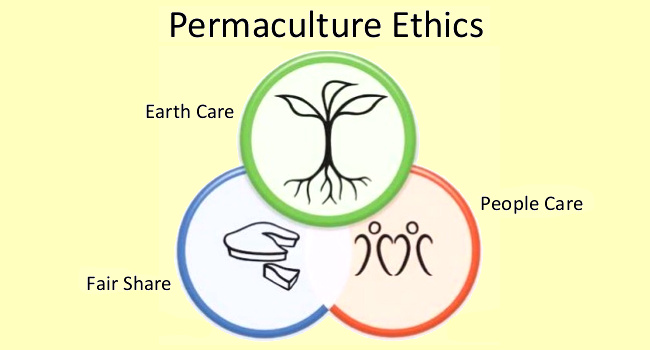
This article expands permaculture into vegan permaculture, a holistic design framework rejecting animal exploitation for plant and wildlife-based systems that minimize harm while regenerating ecosystems in urban or rural settings. Core ethics deepen traditional permaculture's earth care, people care, and fair share by integrating veganism's non-violence, excluding farmed animals and animal products. Design focuses on sustainable human settlements: ecological food landscapes via forest gardens with perennials like fruit/nut trees, shrubs, herbs, and groundcovers; energy-efficient buildings using natural materials like cob, strawbale, or earthships; appropriate tech such as composting toilets, rocket mass heaters, and solar dehydrators. Methods include polycultures mimicking forests, no-till sheet mulching with plant matter, dynamic accumulators (comfrey, yarrow) for nutrient cycling, and nitrogen-fixers (clover, alder) for soil building. Water management employs contour swales, ponds, and greywater systems. Community aspects cover cooperative living, skillshares, and local economies. Practical steps: site analysis for microclimates, sector planning for winds/energy, zone layout from intensive pots to wild edges. Plant guilds example: apple tree + comfrey (minerals) + daffodils (pests) + strawberries (groundcover). Urban adaptations: vertical gardens, rooftop forests, balcony aquaponics (fishless via hydroponics with duckweed). Rural: large-scale agroforestry with alleys of grains between trees. Insights highlight closed loops: all 'waste' (prunings, leaves) becomes mulch/compost; biochar inoculates soil microbes. Challenges like fertility addressed by legume leys, worm towers, and hügel beds decomposing wood for fungal networks. Implementation roadmap: observe 1 year, map, plant pioneers (tagasaste for nitrogen), infill successional layers. Regenerative outcomes: carbon sequestration, biodiversity boost (native corridors for wildlife), food security (yields 4x monocrops per studies). Case integrations: community hubs with shared tools, education via permablitzes (group plantings). This provides concrete blueprints for harmonious living, with specifics like seed saving protocols, propagation techniques (air-layering, cuttings), and seasonal calendars, empowering ethical redesign of human-nature relations.