Vegan Permaculture: Regenerative Design for Resilient Living
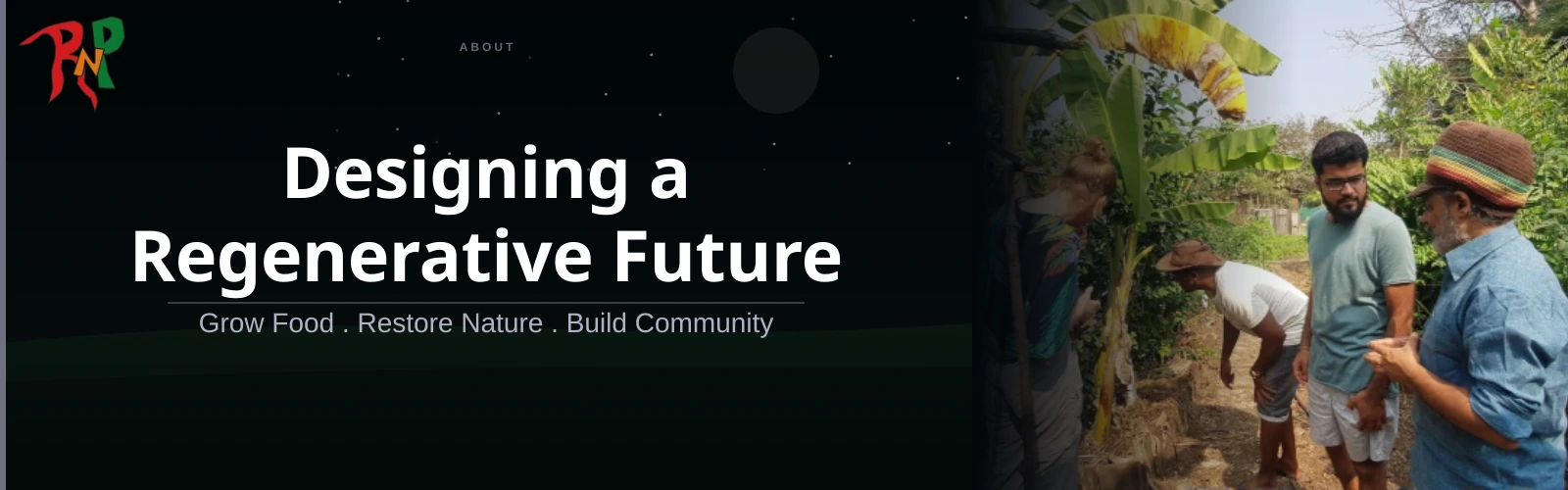
TL;DR: Vegan permaculture offers a robust framework for regenerative living, focusing on plant-based systems to build resilient and self-sufficient environments.
- Embrace veganic methods for soil building and fertility.
- Design landscapes with zoned water harvesting systems.
- Integrate natural building techniques for sustainable housing.
- Generate off-grid power using diverse renewable sources.
- Develop ethical livelihoods through value-added products.
Why it matters: Adopting vegan permaculture principles can significantly reduce environmental impact, enhance biodiversity, and create sustainable systems for food, shelter, and energy.
Do this next: Research local nitrogen-fixing plants suitable for your climate and begin integrating them into your garden beds.
Recommended for: Individuals and communities aspiring to create resilient, self-sufficient, and ecologically regenerative living systems without relying on animal products.
This practitioner-driven guide from Roots n Permaculture frames vegan permaculture as a regenerative design science for self-reliant, ecologically resilient living, replacing livestock with nitrogen-fixing plants while integrating holistic systems beyond food. Soil building employs compost from plant wastes, heavy mulching to suppress weeds and retain moisture, and green manures like legumes for nitrogen input without animals. Polycultures diversify plantings for pest resilience and yields, while water harvesting uses swales, ponds, and keyline designs to capture and infiltrate runoff, preventing erosion. Landscape design prioritizes zones: intensive use near homes (Zone 1 herbs, veggies), extending to wilder edges (Zone 5 forests). Beyond agriculture, it covers natural homes from earthbags or cob for thermal mass; fuel-efficient rocket stoves and stoves minimizing wood use; biochar production via pyrolysis for carbon sequestration and soil fertility enhancement; off-grid power from solar panels, micro-hydro, or pedal generators for lighting and tools. Ethical livelihoods emerge through value-added products like seeds, courses, or consults, fostering community transformation from awareness (education on ethics) to implementation (hands-on projects). The pattern emphasizes closed loops: wastes feed soil, energy stored renewably, designs scale from yards to bioregions. Specifics include nitrogen-fixers like pigeon peas, alder in guilds; mulch depths of 6-12 inches; biochar inoculation with compost tea for microbial boost. This veganic approach builds long-term resilience, proving animal-free systems viable for temperate-to-tropical climates, with integrated tech like composting toilets closing nutrient cycles. Practitioners learn precise methods for ethical, low-impact living that regenerates land while supporting human needs comprehensively.