Seed Snails Day 6: Tanya's Self-Sufficient Success!
By Self Sufficient Homesteading & Gardening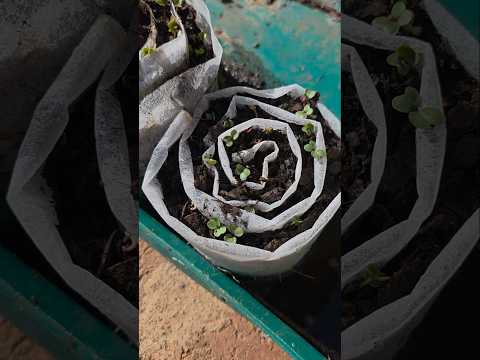
TL;DR: Seed snails offer a compact and efficient method for germinating seeds, particularly beneficial for maximizing space and maintaining consistent moisture.
- Seed snails use rolled material for compact germination.
- They save significant space, ideal for small areas.
- The method creates a consistently moist environment.
- Reduces watering frequency compared to traditional trays.
- Useful for starting many seeds efficiently.
Why it matters: This technique provides a practical solution for gardeners facing space constraints, enabling successful seed starting with minimal fuss.
Do this next: Explore different materials you can use for your seed snail construction to see what works best for your specific seeds.
Recommended for: Gardeners and homesteaders seeking efficient, space-saving, and low-maintenance seed germination techniques.
The sixth day of the "Seed Snails" project shows promising initial results, indicating a successful start to this particular method of seed starting. Seed snails, a technique gaining traction among homesteaders and gardeners, involve a compact and efficient way to germinate seeds, particularly useful for those with limited space or seeking to maximize their seed-starting efforts.
The core concept of a seed snail involves creating a rolled-up medium for seed germination. Typically, this is achieved by laying out a strip of material, often a plastic bag or a piece of fabric, onto which a thin layer of potting mix or seed-starting medium is spread. Seeds are then carefully placed at intervals along this medium, often with a small amount of additional soil covering them. The entire strip is then gently rolled up, resembling a snail shell, and secured with a rubber band or string. This compact roll is then placed into a container, often a plastic cup or tray, with a small amount of water at the bottom to provide consistent moisture to the growing seeds.
One of the primary advantages of the seed snail method is its remarkable space efficiency. A significant number of seeds can be started in a very small footprint, making it ideal for urban gardeners, those with limited indoor growing space, or individuals looking to start a large quantity of seedlings without dedicating extensive shelving or tray space. This compactness also makes it easier to manage and move seedlings as needed.
Another key benefit is the controlled moisture environment it provides. The rolled-up nature of the snail helps to retain moisture, ensuring that the seeds remain consistently damp, which is crucial for successful germination. The water reservoir at the bottom of the container further contributes to this consistent hydration, reducing the frequency of watering compared to traditional seed trays. This can be particularly helpful for busy gardeners or those prone to inconsistent watering schedules.
The seed snail method also offers a relatively clean and organized way to start seeds. Because the soil is contained within the roll, there is less spillage and mess compared to open trays. When it comes time to transplant, the snail can be carefully unrolled, allowing for easy access to individual seedlings without disturbing their neighbors excessively. This can minimize transplant shock and make the process more efficient.
Furthermore, the method allows for easy monitoring of germination progress. By gently unrolling a portion of the snail, gardeners can inspect the seeds and emerging sprouts without significant disruption. This early insight into germination rates can help in making timely decisions about replanting or adjusting growing conditions.
While the "Day 6" update specifically highlights positive progress, the success of seed snails, like any seed-starting method, depends on several factors. These include the quality of the seeds, the type and consistency of the seed-starting medium, appropriate temperature conditions, and adequate light once germination occurs. The specific type of seeds also plays a role, as some seeds naturally germinate faster or require different conditions than others.
The "Seed Snails" project, as part of a broader "Self Sufficient Homesteading & Gardening" initiative, aligns with the principles of maximizing resources, efficiency, and productivity in a home-based food production system. The positive results on day six suggest that this particular application of the seed snail technique is proving effective for the specific seeds being cultivated, contributing to the overall goals of self-sufficiency and sustainable gardening practices. The method's simplicity and effectiveness make it a valuable tool for both novice and experienced gardeners looking to optimize their seed-starting endeavors.