Oona Chaplin's Treehouse Life: Permaculture & Cameron's Influence
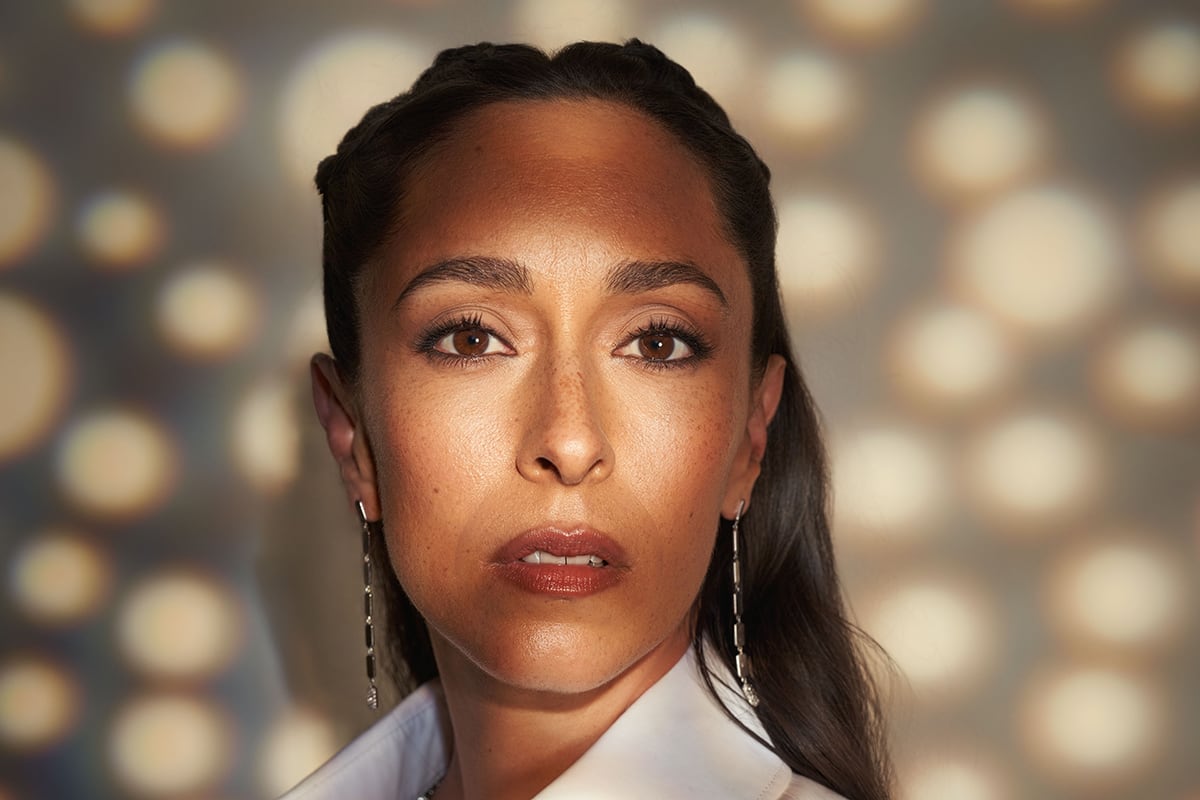
TL;DR: Oona Chaplin has embraced permaculture, transforming a treehouse dwelling into a thriving, regenerative farm community that mimics natural ecosystems.
- Actress Oona Chaplin lives in permaculture treehouse.
- Farm employs organic, biodynamic methods.
- Emphasizes soil health, natural mimicry.
- Diverse biomes: forest gardens, pasture.
- Ethics drive design: Earth, People, Fair Share.
- Hugelkultur, worm castings improve soil.
- Community workshops, beekeeping.
- Permaculture offers therapeutic benefits.
- Project aims for agroforestry expansion.
Why it matters: This initiative demonstrates how permaculture principles can be applied to create self-sustaining communities, offering a viable model for food security and environmental regeneration.
Do this next: Research local permaculture initiatives or workshops to learn hands-on techniques for your own garden or community project.
Recommended for: Anyone interested in applying permaculture principles to create resilient food systems and foster community, from home gardeners to aspiring eco-developers.
Actress Oona Chaplin shares her immersive permaculture journey in a December 2025 El Pais interview, detailing life in a treehouse on a sustainable farm community where she and a friend pioneer regenerative systems blending organic and biodynamic farming. Inspired by conversations with James Cameron on soil health, she emphasizes permaculture's mimicry of nature: no-till orchards, cover crops, and lunar-timed plantings for vitality. The project spans diverse biomes—forest gardens with layered canopies of nuts, fruits, vines; pasture-raised animals rotating via mob grazing to rebuild topsoil; and constructed wetlands filtering graywater into fish ponds. Ethics drive design: Earth Care through fungal inoculants and biochar sequestering carbon; People Care in communal kitchens using hyper-local yields; Fair Share via seed banks open to neighbors. Chaplin recounts observing site patterns—sun arcs, bird migrations—before implementing zones: daily herbs encircling the treehouse, staple crops nearby, wilderness buffers afar. Challenges like clay soils were addressed with hugelkultur and worm castings, yielding bountiful brassicas and berries. Biodynamic preps, like fermented manure burials, enhance cosmic-earth connections, boosting flavor and resilience. Community aspects shine: workshops on companion planting (basil with tomatoes), beekeeping for pollination, and mycoremediation cleaning pollutants. Yields sustain 20 residents with diverse nutrition, surpluses funding expansions. Personal insights reveal permaculture's therapeutic side—grounding amid Hollywood chaos—aligning with principles like Integrate Rather than Segregate, where humans co-evolve with ecosystems. Contrasting industrial farms' monocrops, her setup pulses with life: chickens tilling, beeswax candles from hives. Future visions include agroforestry scaling to 100 acres, research partnerships on soil microbiology. The interview weaves anecdotes—like treehouse solar setups catching energy—with technical depth, inspiring celebrities and laypeople alike. As of December 26, 2025, the project exemplifies high-profile permaculture adoption, proving luxury and sustainability converge in reciprocal living. It highlights global hunger for alternatives, with Chaplin advocating policy shifts toward regenerative subsidies.