Live Home 3D: Regenerative Design for Self-Sufficient Homes
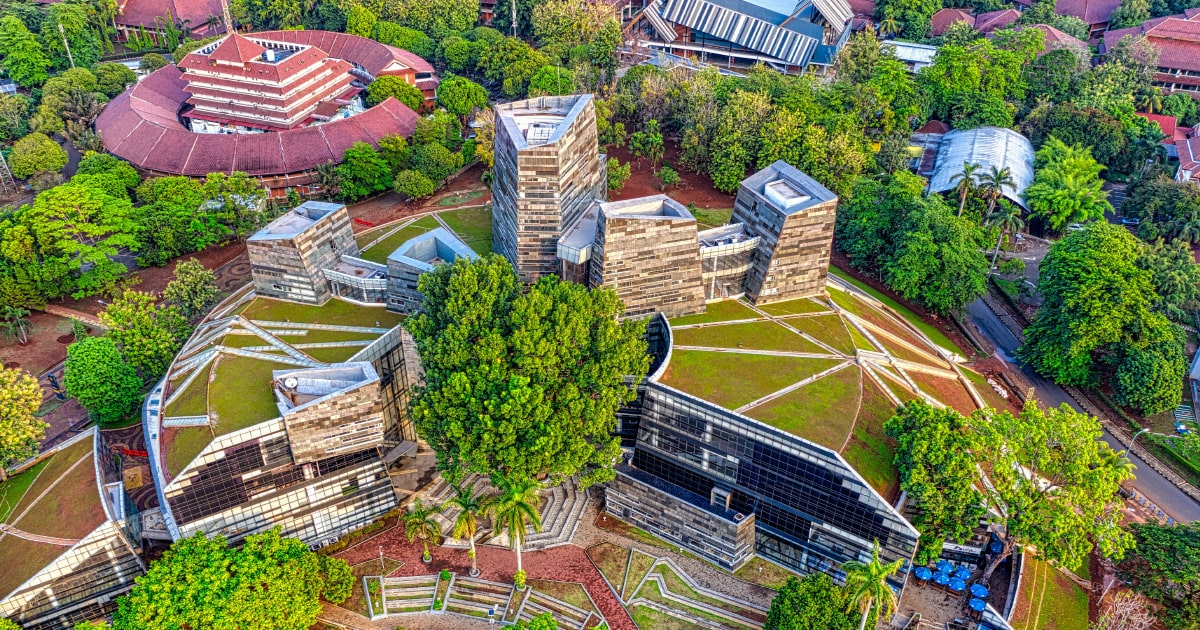
TL;DR: Regenerative design integrates buildings with natural systems to create self-sufficient, eco-restorative structures that generate their own resources and enhance local biodiversity.
- Design for closed-loop systems in energy, water, and waste.
- Utilize passive strategies for heating, cooling, and ventilation.
- Incorporate renewable energy sources, like solar and wind.
- Implement green infrastructure for storm water and biodiversity.
- Select materials that store thermal energy efficiently.
Why it matters: Regenerative design shifts architecture from merely minimizing harm to actively enhancing ecosystems and resource cycles, offering a path to truly sustainable living spaces.
Do this next: Research local builders and architects specializing in passive house principles and renewable energy integration.
Recommended for: Homeowners, architects, and builders interested in creating truly sustainable and ecologically beneficial living or working spaces.
Live Home 3D's article on regenerative design details buildings that produce/store all needed energy using solar panels, building-integrated photovoltaics, and wind turbines, replacing grid dependency while minimizing consumption via natural ventilation and passive solar heating with materials like brick, concrete, or tile for heat storage and redistribution. Green roofs exemplify multi-functionality: boosting biodiversity as wildlife habitats and capturing/filtering rainwater per mutual support and multiplicity principles. The guide outlines regenerative architecture's core tenets—self-sufficiency, ecosystem restoration, and efficiency—offering specific techniques like passive solar elements for thermal mass and green infrastructure for stormwater management. Practitioners gain concrete methods to design structures that not only net-zero energy but actively regenerate sites, with emphasis on reducing energy demand through optimized layouts and renewable integrations for closed-loop operations.