April Hotbed Harvest: Winter Garden Success Story
By Dirtpatcheaven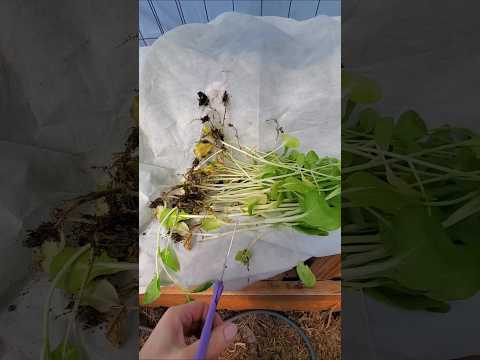
TL;DR: A hotbed enabled an early April harvest, extending the growing season and providing fresh produce despite colder temperatures.
- Hotbeds extend growing seasons into colder months.
- Decomposing organic matter generates essential heat.
- Early harvests provide fresh food before outdoor gardens.
- Hotbeds support self-sufficiency and year-round production.
- Careful planning leads to successful winter growing.
Why it matters: Hotbeds offer a practical solution for year-round food production, enhancing food security and reducing reliance on external food systems, particularly in regions with shorter growing seasons.
Do this next: Research hotbed construction methods to implement a similar system in your garden.
Recommended for: Home gardeners and homesteaders looking to extend their growing season and increase food self-sufficiency.
The article discusses the successful first harvest from a hotbed, marking a significant milestone in the winter gardening efforts. The hotbed, a traditional method for extending the growing season, has proven effective in producing crops even in colder temperatures. This initial harvest, occurring in April, signifies the culmination of careful planning and maintenance throughout the winter months.
The hotbed's design and construction played a crucial role in its success. Typically, a hotbed utilizes decomposing organic matter, such as manure, to generate heat, which then warms the soil above. This warmth creates a microclimate conducive to plant growth, protecting seedlings and young plants from frost and cold snaps. The article implies that the specific materials and layering techniques used in this hotbed were optimized for efficient heat generation and retention.
The crops harvested in April demonstrate the hotbed's capability to yield produce earlier than traditional outdoor gardening methods. While the specific types of vegetables are not detailed, the success suggests a range of cool-season crops, such as leafy greens, radishes, or early root vegetables, were likely cultivated. This early harvest provides fresh produce at a time when outdoor gardens are just beginning to be prepared, offering a valuable source of food and reducing reliance on store-bought options.
The mention of "winter garden" and "homestead" in the context of this harvest highlights the broader goals of self-sufficiency and year-round food production. For homesteaders, extending the growing season is paramount to maximizing their land's productivity and ensuring a consistent supply of fresh food. The hotbed serves as a vital tool in achieving this objective, allowing for continuous cultivation even when external conditions are unfavorable.
The timing of the harvest in April is particularly noteworthy. In many temperate climates, April can still experience unpredictable weather, including late frosts. The hotbed's ability to protect plants from these conditions and bring them to maturity by this time underscores its effectiveness as a season extension technique. This early yield can also contribute to a more staggered harvest throughout the year, preventing gluts and ensuring a steady supply of produce.
The article implicitly suggests that the hotbed required consistent monitoring and management. Maintaining the optimal temperature within the hotbed, ensuring adequate moisture, and providing proper ventilation are all critical factors for success. The fact that a harvest was achieved indicates that these aspects were diligently managed throughout the winter.
In essence, the first harvest from the hotbed in April represents a triumph of sustainable gardening practices. It showcases the potential of traditional methods to overcome environmental challenges and provide fresh, homegrown food even during the colder months. This achievement is a testament to the dedication and skill involved in winter gardening and homesteading, demonstrating a successful step towards greater food independence and resilience. The hotbed's performance serves as an encouraging example for others interested in extending their growing season and enhancing their food security.