Unlock Soil Secrets Big Ag Hides: Boost Your Garden Now!
By The Gardening Channel With James Prigioni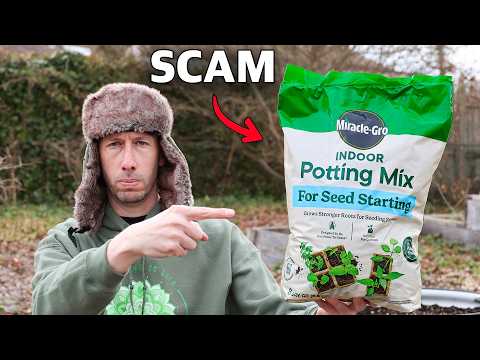
TL;DR: Healthy soil is a vibrant ecosystem essential for productive gardens, reducing reliance on commercial products by fostering natural plant resilience.
- Healthy soil is a living ecosystem, not inert dirt.
- Microbial life and organic matter are crucial for soil health.
- Poor soil quality leads to frustration and reliance on amendments.
- Adding organic matter consistently improves soil structure and nutrients.
- Thriving soil ecosystems reduce external inputs and increase yields.
Why it matters: Understanding soil as a dynamic ecosystem empowers gardeners to create sustainable, fertile environments, reducing the need for costly external inputs and promoting healthier plant growth.
Do this next: Start a compost pile or integrate aged manure into your garden beds to begin enriching your soil.
Recommended for: Gardeners and growers at any level looking to cultivate resilient, productive soil and reduce dependence on commercial products.
The article discusses the critical importance of soil health, particularly in the context of gardening and agriculture, and suggests that commercial soil companies may not prioritize educating consumers about optimal soil practices because it could reduce their reliance on purchased products. The central theme revolves around the idea that healthy soil is a living ecosystem, not just an inert medium, and that understanding and nurturing this ecosystem can lead to more productive and sustainable growing systems.
A key point emphasized is the distinction between "dirt" and "soil." Dirt is often described as a lifeless, depleted substance, while true soil is teeming with microbial life, organic matter, and essential nutrients. The article argues that many gardeners, especially beginners, often start with poor quality soil, leading to frustration and a cycle of purchasing more amendments or replacements. This cycle, it implies, benefits commercial soil providers who sell products to address symptoms rather than the root cause of unhealthy soil.
The author advocates for a shift in perspective, encouraging gardeners to view their soil as a dynamic, interconnected community of organisms. This community includes bacteria, fungi, nematodes, earthworms, and countless other microorganisms that work together to break down organic matter, cycle nutrients, and create a structure that supports plant roots. When this ecosystem is thriving, plants are more resilient, require less external input, and produce higher yields.
One of the primary methods for improving soil health, according to the article, is the consistent addition of organic matter. This can come in various forms, such as compost, aged manure, leaf mold, and cover crops. Organic matter serves multiple functions: it feeds the microbial life, improves soil structure (enhancing drainage in heavy soils and water retention in sandy soils), provides a slow-release source of nutrients, and helps buffer pH levels. The article suggests that rather than buying bags of "enriched" soil, gardeners should focus on building their own soil fertility over time through these organic additions.
The concept of the "soil food web" is also implicitly highlighted. This refers to the complex interactions between different organisms in the soil, where each plays a role in decomposing organic material and making nutrients available to plants. Disturbing this web, for example, through excessive tilling or the use of synthetic chemicals, can degrade soil health and reduce its natural fertility. The article encourages practices that minimize disturbance and foster a robust soil food web.
Furthermore, the article touches upon the idea of nutrient cycling. In a healthy soil ecosystem, nutrients are constantly being recycled and made available to plants through the activity of microorganisms. This contrasts with systems that rely heavily on synthetic fertilizers, which can bypass the natural nutrient cycling process and potentially harm the soil microbiome in the long run. By focusing on building organic matter, gardeners can create a self-sustaining nutrient system.
The author also implicitly criticizes the marketing strategies of some commercial soil companies, suggesting they often promote quick fixes or specialized products that may not address the fundamental issues of soil health. Instead, the article champions a more holistic and long-term approach, emphasizing that patience and consistent effort in nurturing the soil will yield the best results. The underlying message is that true soil fertility is built from the ground up, through natural processes, rather than being bought in a bag. This approach not only benefits the garden but also promotes a more sustainable and environmentally friendly way of growing food.