Winterizing IBC Rainwater Systems: Freeze Protection Guide
By Great Escape Farms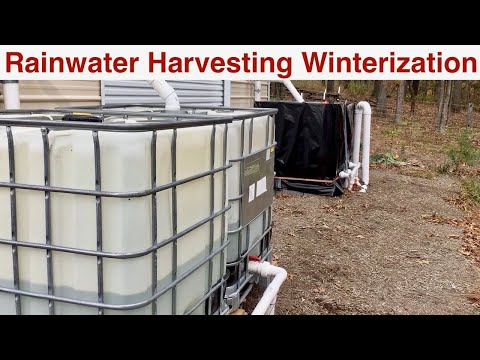
PermaNews Brief
Key Takeaways
Winterize IBC rainwater harvesting systems to prevent damage from freezing and ensure system longevity.
- Drain all water from tote and plumbing.
- Remove and store filters and pumps.
- Insulate totes in milder climates.
- Consider heaters for extreme cold.
- Prevent costly repairs and replacements.
Why It Matters
Protecting rainwater harvesting infrastructure from winter damage saves money and ensures a reliable water supply for the growing season.
What to Do Next
Completely drain your IBC tote rainwater harvesting system, including all plumbing and components, before freezing temperatures arrive.
Recommended for: Homeowners and gardeners using IBC totes for rainwater harvesting in climates with freezing temperatures.
As winter approaches, individuals utilizing IBC totes for rainwater harvesting need to implement specific measures to protect their systems from freezing temperatures. The primary concern is the expansion of water as it freezes, which can cause significant damage to the tote itself, plumbing, and associated components. Proper winterization ensures the longevity of the system and avoids costly repairs or replacements in the spring.
The most straightforward and effective method for winterizing an IBC tote rainwater harvesting system is to completely drain all water from the tote and its connected plumbing. This involves opening all spigots and valves, including any at the bottom of the tote, to allow gravity to remove as much water as possible. It's crucial to ensure that no water remains trapped in pipes, hoses, or pumps, as even small pockets of water can freeze and cause damage. If the tote is equipped with a pump, it should also be drained and ideally stored indoors in a dry, temperature-controlled environment. Any filters or screens should be removed, cleaned, and stored to prevent them from freezing and cracking.
For those who cannot completely drain their systems or wish to keep a small amount of water in the tote for various reasons, alternative methods exist, though they carry higher risks. One option is to insulate the tote. This can be achieved by wrapping the tote with insulating materials such as straw bales, old blankets, or specialized insulation wraps. The goal is to create a thermal barrier that slows down the rate of heat loss from the water within the tote. However, insulation alone may not be sufficient in extremely cold climates or during prolonged periods of freezing temperatures, as the water will eventually cool down and freeze.
Another, more active, approach involves introducing a heat source. This could include submersible aquarium heaters or specialized tank heaters designed for livestock watering troughs. These devices work by continuously heating the water to prevent it from reaching freezing point. However, this method requires a reliable power source and can be energy-intensive, increasing electricity consumption. Furthermore, if there's a power outage during a cold snap, the system would be vulnerable to freezing. It's also important to ensure that any heating element is safely installed and compatible with the tote material to prevent fire hazards or damage to the plastic.
Some individuals consider adding antifreeze to the water. However, this is generally not recommended for rainwater harvesting systems, especially if the water is intended for garden irrigation or other uses where contamination is a concern. Automotive antifreeze is toxic and should never be used. While some non-toxic, food-grade antifreeze solutions exist, their effectiveness in large volumes of water within an IBC tote can be limited, and they may still alter the water's properties, making it unsuitable for certain applications. The safest practice remains to avoid chemical additives.
Beyond the tote itself, all associated plumbing, including downspouts, diverters, hoses, and spigots, must be addressed. Downspouts connected to the diverter should be disconnected or adjusted to bypass the tote, directing rainwater away from the system during winter. Hoses should be completely drained, coiled, and stored indoors. Any outdoor spigots connected to the system should be opened and left open after the main water supply is shut off to allow any residual water to escape and prevent freezing within the spigot itself.
In summary, the most reliable and recommended winterization strategy for IBC tote rainwater harvesting systems is complete drainage of all water from the tote and associated plumbing. This proactive measure eliminates the risk of freeze damage. If complete drainage is not feasible, insulation can offer some protection, but its effectiveness is limited by ambient temperatures and duration of cold. Active heating elements provide a more robust solution but come with energy costs and reliance on a power supply. Chemical additives like antifreeze are generally discouraged due to potential contamination. By taking these precautions, individuals can safeguard their rainwater harvesting infrastructure and ensure its readiness for the following spring.
Source: youtube.com
Related Analysis
- Designers Push Urban Standard From Sustainable to Regenerative — Early signals point to a push for urban design that actively restores ecosystems, not merely reduces harm — with field-t…
- Scrapped EV Batteries Convert to Solar Storage in Off-Grid Markets — Several sources suggest retired EV batteries are finding a second role in rural off-grid solar systems, potentially lowe…
Related on PermaNews
- Berlins schwimmende Gärten: Permakultur auf dem Wasser (Case Study)
- Finca Bellavista: Costa Rica's 200-Acre Water System Innovation (Case Study)
- Priya's 2024 India Report: 10-Hectare Water Harvesting Success (Case Study)
- Holmgren's 40 Yrs: Abundant Permaculture Design Webinar 3 (Video)
- Water Cycle Restoration Research: Indigenous Wisdom Meets Permaculture (Article)
- The Importance of Harvesting Rainwater for Conservation (Video)
Explore more in Water, Climate & Adaptation — the full hub for this knowledge area.