Year-Round Radish Harvest: A Guide to Continuous Cultivation
By organicadmin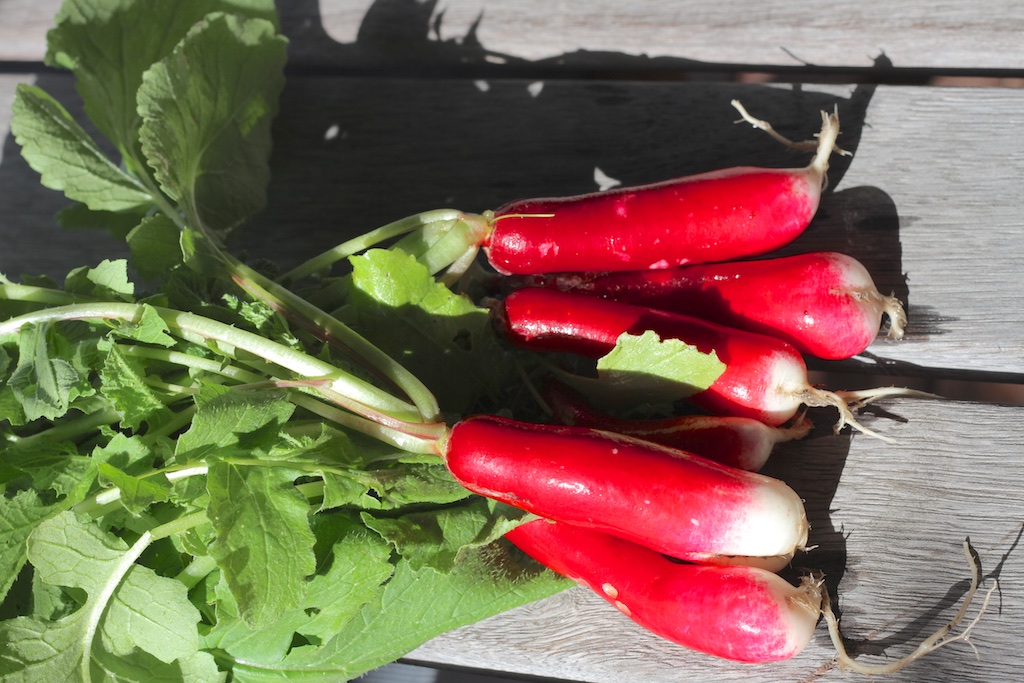
TL;DR: Cultivate radishes continuously by adjusting varieties and methods to suit seasonal changes.
- Radishes thrive in cooler weather; adapt for year-round growth.
- Prevent bolting in summer with shade, water, and heat-tolerant types.
- Protect winter crops from frost using covers or indoor methods.
- Succession planting ensures a steady, continuous harvest.
- Both radish roots and greens are edible and nutritious.
Why it matters: Year-round radish cultivation enhances food security and provides a consistent fresh food source, optimizing garden space.
Do this next: Start a small, shaded bed of heat-tolerant radish varieties this week.
Recommended for: Home gardeners looking to maximize their yield and enjoy fresh produce year-round with adaptable techniques.
Radishes are a versatile and rewarding crop for gardeners, offering the potential for cultivation throughout the year in many climates. Their rapid growth cycle makes them an attractive option for those seeking quick yields, and both their vibrant root bulbs and their leafy greens are edible.
The key to successful year-round radish cultivation lies in understanding their specific needs and adapting growing practices to different seasons. Radishes generally prefer cooler temperatures, making spring and autumn ideal growing periods. During these seasons, they typically mature quickly, producing crisp, flavorful roots. However, with careful management, they can also be grown in summer and winter.
In warmer months, the primary challenge is preventing radishes from "bolting," which is when they prematurely send up a flower stalk and go to seed. This process often results in woody, unpalatable roots. To mitigate bolting in summer, gardeners can select heat-tolerant varieties, provide partial shade, and ensure consistent moisture. Planting radishes in areas that receive morning sun and afternoon shade can help keep soil temperatures down. Frequent watering is crucial, as dry soil can stress the plants and encourage bolting. Additionally, planting smaller batches every week or two, known as succession planting, ensures a continuous harvest before any individual plant has a chance to bolt.
For winter cultivation, the main concern is protecting radishes from frost and extremely cold temperatures. In regions with mild winters, radishes can often be grown outdoors with minimal protection. However, in colder climates, techniques such as using cold frames, cloches, or row covers become essential. These structures help to trap warmth and shield the plants from harsh weather. Another strategy is to grow radishes in containers that can be moved indoors or into a sheltered location, such as a greenhouse or unheated garage, during severe cold snaps. Selecting varieties known for their cold hardiness can also improve winter success.
Soil preparation is fundamental for healthy radish growth regardless of the season. Radishes thrive in loose, well-draining soil rich in organic matter. Compacted or heavy clay soils can impede root development, leading to misshapen or stunted radishes. Amending the soil with compost before planting improves its structure, fertility, and water retention capabilities. While radishes do not require excessively rich soil, a balanced nutrient profile supports robust growth.
Proper spacing is another important consideration. Overcrowding can lead to smaller roots and increased competition for resources. Following recommended spacing guidelines, typically a few inches between plants, allows each radish to develop fully. Thinning seedlings once they have established their first true leaves is often necessary to achieve optimal spacing.
Beyond the root, radish greens are a nutritious and often overlooked part of the plant. They can be harvested and used in salads, stir-fries, or sautéed, offering a slightly peppery flavor. Harvesting the greens judiciously, without removing too many from a single plant, can allow the root to continue developing.
In summary, growing radishes year-round is an achievable goal for many gardeners. By selecting appropriate varieties, managing environmental conditions such as temperature and moisture, preparing the soil effectively, and employing protective measures during extreme weather, a continuous supply of these fast-growing, edible plants can be maintained. This approach not only maximizes garden productivity but also provides a consistent source of both root vegetables and leafy greens.