Rocket Heater: Efficient DIY Shower System
By paul wheaton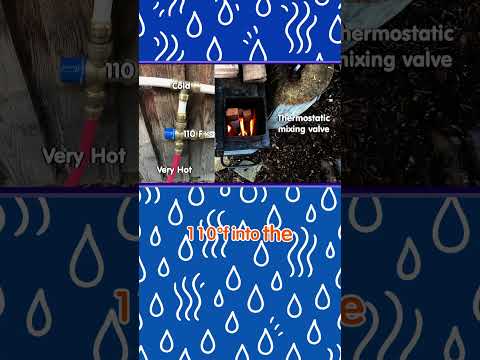
TL;DR: A rocket stove water heater offers an efficient, low-cost method for heating water, ideal for off-grid living and permaculture setups.
- Utilizes small-diameter wood fuel efficiently.
- Heat riser enhances combustion and heat transfer.
- Convection ensures continuous hot water supply.
- Barrel size dictates hot water capacity.
- Minimizes heat loss with insulation.
Why it matters: This system provides a sustainable and independent hot water solution, reducing reliance on conventional energy sources and maximizing fuel efficiency.
Do this next: Explore designs for integrating a rocket stove with a water barrel for your specific needs.
Recommended for: Anyone interested in sustainable living, off-grid systems, and practical permaculture applications.
This article describes the construction and functionality of a rocket water heater designed for a shower system, emphasizing its efficiency and practical application in a permaculture context. The core of the system is a rocket stove, known for its ability to achieve high combustion efficiency with minimal fuel, typically small diameter wood. This design is particularly advantageous for heating water because the intense heat generated can be effectively transferred to a water reservoir.
The primary component of the water heater is a metal barrel, which serves as the water tank. This barrel is strategically positioned around the exhaust of the rocket stove. As the hot gases from the stove rise, they circulate around the exterior of the barrel, transferring their thermal energy to the water contained within. This method ensures that a significant portion of the heat produced by the combustion is captured and utilized for water heating, rather than being lost to the atmosphere.
To enhance the heat transfer and overall efficiency, the system incorporates a heat riser, which is a vertical pipe extending upwards from the combustion chamber of the rocket stove. The heat riser creates a strong draft, pulling flames and hot gases through the system and ensuring a more complete burn of the fuel. This intense heat is then directed towards the water barrel. The design also often includes an insulated jacket around the heat riser and the initial section of the exhaust path to minimize heat loss and direct as much energy as possible towards the water.
The water flow within the system is designed for continuous heating. Cold water enters the barrel at the bottom, and as it heats up, it rises due to convection. Hot water is then drawn from the top of the barrel for use in the shower. This natural circulation helps maintain a consistent supply of hot water as long as the stove is actively burning. The size of the barrel can vary depending on the desired hot water capacity and the number of users.
Fuel for the rocket stove typically consists of small pieces of wood, such as twigs, branches, or scrap wood. This makes the system highly sustainable, especially in areas where such fuel is readily available. The efficient combustion means that less fuel is required compared to traditional open fires or less efficient wood stoves, further reducing the environmental impact and resource consumption.
Safety considerations are also paramount in the design. Proper ventilation for the stove's exhaust gases is crucial to prevent the buildup of carbon monoxide. The system should be installed in a well-ventilated area, and the exhaust flue should extend safely outdoors. Additionally, the hot surfaces of the stove and barrel require careful handling to avoid burns. Insulation around the hot components not only improves efficiency but also adds a layer of safety.
The overall construction is intended to be relatively simple, often utilizing repurposed materials, which aligns with permaculture principles of resourcefulness and waste reduction. The article implies that individuals with basic metalworking and construction skills could potentially build such a system. The rocket water heater and shower system represents a practical and sustainable solution for providing hot water, particularly in off-grid settings or as an energy-efficient alternative to conventional water heating methods. Its reliance on renewable biomass fuel and its high efficiency make it an attractive option for those seeking to reduce their environmental footprint and increase their self-sufficiency.