Boost Soil: Regenerative Garden Hacks for Health & Yield
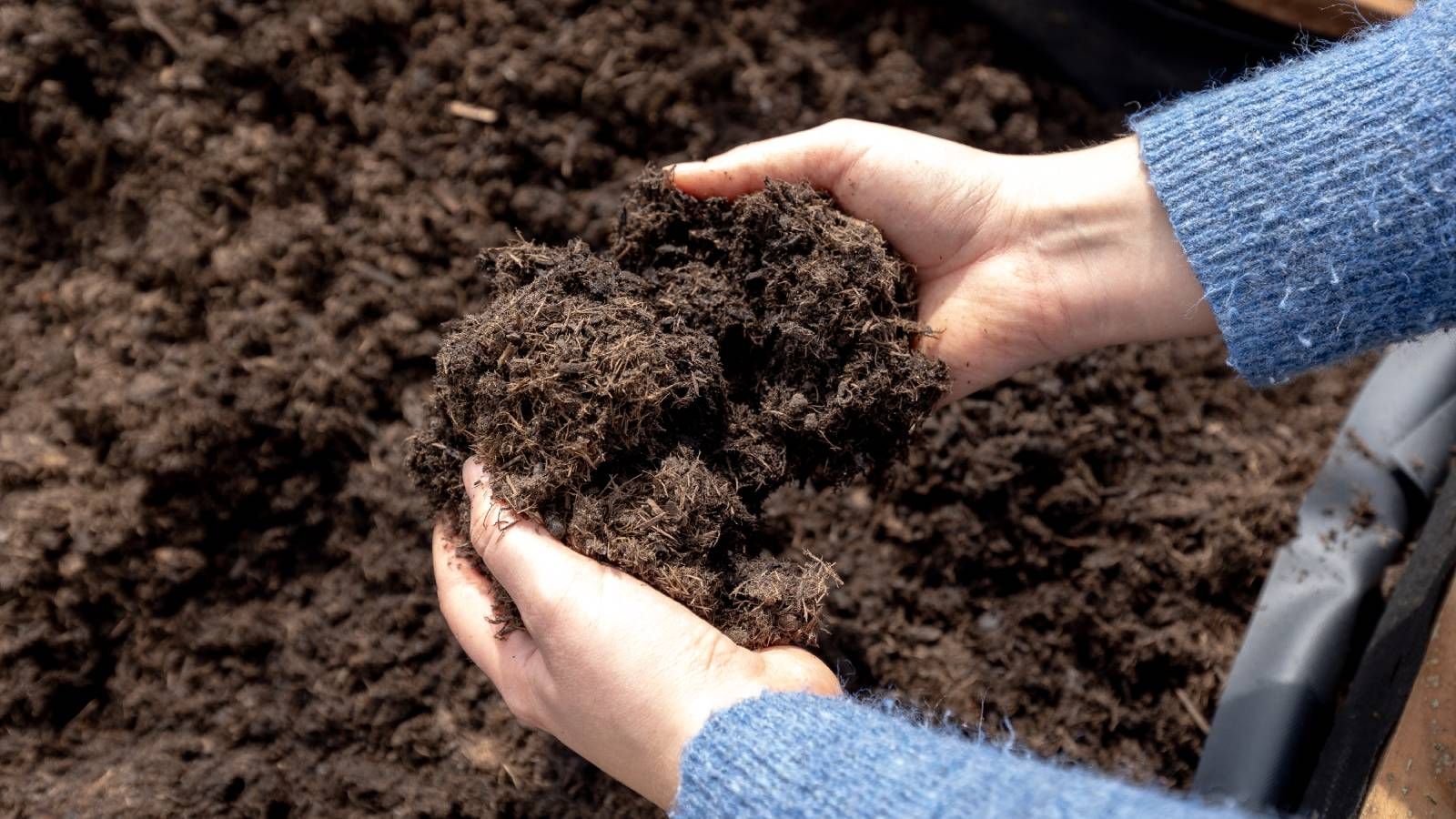
TL;DR: Transform your garden into a thriving ecosystem by adopting no-till and composting practices to build healthy, carbon-rich soil.
- Composting enriches soil with vital nutrients and beneficial microbes.
- No-till gardening prevents soil disturbance and carbon release.
- Mulch is key for weed suppression and moisture retention.
- Annual compost application maintains fertility and soil structure.
- Upcycling materials reduces waste and creates garden features.
Why it matters: Regenerative gardening practices reverse soil degradation, fostering healthier plants and a more resilient environment.
Do this next: Start a compost pile or use a tumbler to recycle kitchen and garden waste into nutrient-rich soil amendment.
Recommended for: New and experienced gardeners seeking to transition to sustainable, soil-building practices for improved garden health and environmental benefits.
This comprehensive guide details regenerative gardening techniques to restore soil health damaged by tilling, synthetic fertilizers, and pesticides, focusing on composting and no-till methods with step-by-step implementation. Install a home compost bin to transform kitchen scraps and garden trimmings into 'gold'—organic compost applied as top-dressing or mulch, building soil structure, nutrients, and microbial communities over time. Avoid tilling to prevent carbon release and structure breakdown; use mulch, mowing, hand-pulling, or broad forks for aeration and weed control. Feed soil annually with 2-3 inches of purchased or homemade compost, which integrates naturally to add missing elements. Upcycle materials like old bathtubs into planters to reduce waste. Benefits include enhanced sustainability, biodiversity, and environmental healing. Practical details cover bin setup (e.g., tumblers or piles with balanced greens/browns), no-till bed preparation (layering cardboard and compost), and monitoring soil life through texture improvements. The article goes beyond basics, addressing common pitfalls like initial weed surges managed by thick mulch layers, providing gardeners with concrete tools to achieve turbocharged, living soil.