DIY COB Tutorial & Intro to Straw Bale Building
By The Off Grid Guru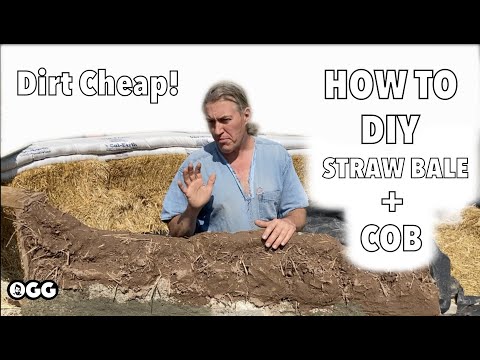
PermaNews Brief
Key Takeaways
Explore essential techniques for practical cob and straw bale building.
- Cob is versatile and forgiving for builders.
- Basic alignment ensures structural integrity.
- Testing site soil improves building quality.
- Straw bales offer alternative construction methods.
- Experimentation is key to natural building.
Why It Matters
This guide equips DIY builders with essential techniques to use local materials effectively, fostering sustainable practices in construction.
What to Do Next
Consider experimenting with local soil types for building.
Permaculture Context
For anyone serious about closing the loop between land stewardship and shelter, hands-on natural building literacy is not optional — it is foundational. Knowing how to read your own subsoil, mix a working cob batch, and keep a wall plumb without professional oversight means your homestead or community project is not hostage to supply chains, specialized contractors, or imported materials. This matters deeply in a permaculture context because cob and straw bale construction are not merely low-cost alternatives; they are genuinely regenerative techniques that sequester carbon, regulate humidity naturally, and integrate with the broader site ecology when sourced locally. The real leverage here is the shift from consumer to builder — someone who can repair, extend, and adapt their own structures as conditions change. In an era of climate volatility and economic unpredictability, that competence compounds. A practitioner who can test site soil, prototype a test brick, and iterate toward a sound mix is also developing the same empirical, patient, place-based thinking that defines good permaculture design across every other domain.
Recommended for: DIY builders interested in alternative construction methods.
This video is a hands-on introductory tutorial on cob and straw bale construction, aimed at DIY builders who want a practical starting point rather than a theoretical overview. The content shows that cob is treated as a forgiving earthen material that can be mixed and adjusted in the field, with the presenter describing a working ratio of one part clay-rich soil to two parts aggregate/fines in a specific example. That kind of detail is useful because it gives viewers a tangible starting formula for testing soil mix behavior, including whether the material is too wet or too soft for construction use.
The tutorial also stresses basic building discipline, particularly the importance of keeping walls plumb and using a level to verify verticality. It notes a simple tolerance concept, described as a “two fingers” rule of thumb for acceptable deviation, which is a practical way to communicate structural alignment in an informal building context. The speaker encourages experimentation with site soil, including digging below topsoil into subsoil, mixing samples with sand, and making test bricks to observe shrinkage and swelling. This is an especially valuable method for natural building because soil variability is one of the main technical issues in cob construction.
Beyond cob, the video situates straw bale and other natural methods in a broader alternative-building context, mentioning materials such as papercrete, hempcrete, pounded tires for foundations, and hybrid approaches. That breadth makes it useful for builders comparing systems or deciding how cob fits into a larger project strategy. The practical emphasis is on using locally available materials, testing them directly, and learning by doing. While it is not a formal case study with measured performance data, it does provide actionable construction guidance, mixing principles, alignment checks, and an experimental workflow that a practitioner could directly apply on a small-scale build or training project.
Source: youtube.com
Related Analysis
- Homesteaders Build Micro-Hydro Power With New Vortex Turbine Guides — Early guides and video tutorials are disseminating low-head vortex turbine techniques to homesteaders, signaling a possi…
- Off-Grid Builders Test Rocket Mass Heaters at -35°F — Early 2024 data from high-altitude and sub-zero builds indicate rocket mass heaters sustaining livable temperatures with…
Related on PermaNews
- Permaculture Design Certificatе Course (How-To Guide)
- 2025: Rocket Mass Heaters in PHI-Certified Earthship Tiny Homes (Case Study)
- Earthship Retrofits: PHI Standards & Regenerative Guide 2025 (Case Study)
- 2024 Earth-Sheltered Timber Frame: PermaFarm Build Guide (How-To Guide)
- Cob-Straw Infills: Timber Frame Resilience for Your Build (How-To Guide)
- Adaptive Regenerative Buildings: On-Site Net-Zero Design (Case Study)
Explore more in Shelter, Energy & Infrastructure — the full hub for this knowledge area.