Lak̇óta Food as Medicine: SD's 2050 Vision for Ancestral Systems
By Emily Payne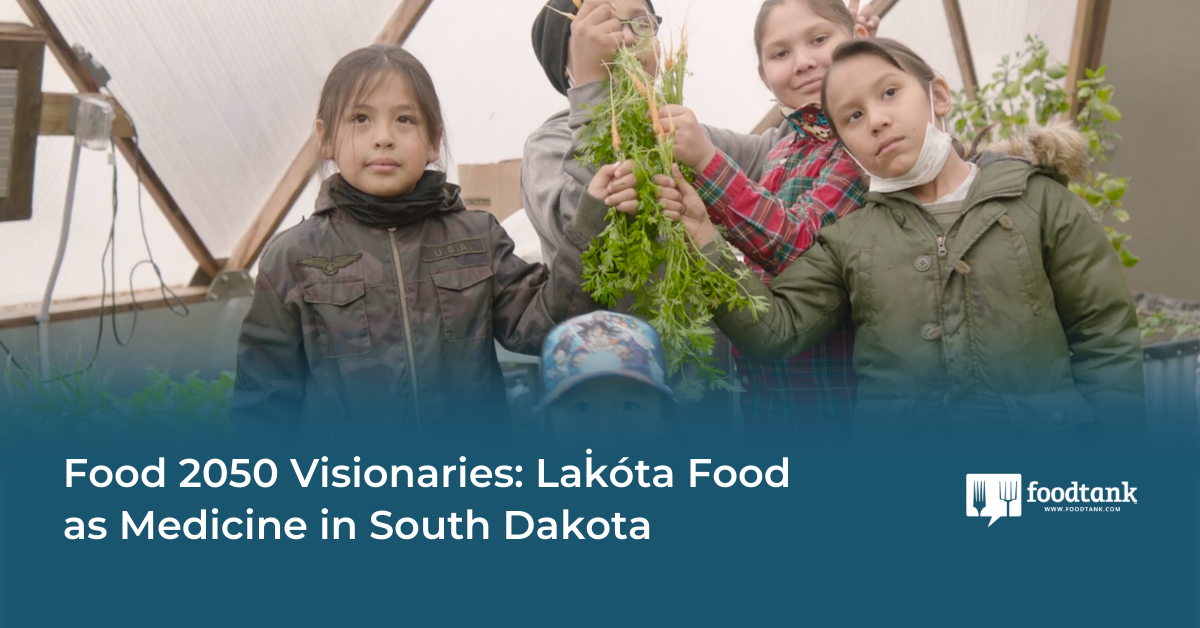
TL;DR: The Sicangu Lakota are regenerating their ancestral food system on the Rosebud Reservation to improve health and cultural well-being.
- Revitalizing traditional foodways enhances community health.
- Lakota food systems were historically sustainable and nutritious.
- Colonialism disrupted indigenous food practices and health.
- The "food as medicine" approach guides food sovereignty.
- Ancestral foods reconnect communities to their heritage.
Why it matters: Re-establishing indigenous food systems can address health disparities and empower communities through cultural reconnection and self-governance.
Do this next: Research local indigenous food initiatives and consider how to support their efforts to reclaim traditional foodways.
Recommended for: Anyone interested in indigenous food systems, cultural revitalization, and community health initiatives.
The Sicangu Lakota community, situated on the Rosebud Reservation in South Dakota, is actively engaged in a comprehensive initiative to restore its ancestral food systems. This endeavor is part of a larger movement among Indigenous populations in the United States focused on re-establishing cultural practices related to sustenance, well-being, and self-governance.
Historically, the Lakota people maintained a sophisticated and environmentally sound food system. Their diet was primarily based on hunting, gathering, and cultivating native plant species. This traditional diet, rich in bison, wild game, berries, and roots, provided complete nutrition and was deeply interwoven with their spiritual beliefs and cultural identity. This system fostered a profound connection to their ancestral lands and promoted the collective health of the community.
However, a series of historical events severely disrupted these traditional practices. Forced displacement, the systematic destruction of bison herds, and the imposition of the reservation system led to the dismantling of their sustainable food sources. The subsequent introduction of government-provided rations, often consisting of highly processed and nutritionally deficient foods, dramatically altered dietary patterns. This disruption had profound and lasting negative health consequences for the Lakota people, contributing to a significant increase in diet-related illnesses such as diabetes, heart disease, and obesity.
In response to these challenges, the Sicangu Lakota are now leading various projects aimed at re-establishing their food sovereignty. A core principle of this movement is the concept of "food as medicine," which acknowledges the inherent healing properties of traditional foods and their role in promoting holistic health. This approach emphasizes not only the nutritional value of indigenous foods but also their cultural and spiritual significance to the community.
A key aspect of this revitalization effort involves the reintroduction and cultivation of native plant species. Initiatives are underway to identify, propagate, and grow traditional foods that were once staples of the Lakota diet. This includes establishing community gardens, teaching traditional agricultural techniques, and educating younger generations about the importance of these plants. The overarching goal is to create a sustainable supply of healthy, culturally appropriate foods accessible to the entire community.
Another critical component focuses on the re-establishment of traditional hunting and gathering practices. While large-scale bison hunts are no longer feasible in their historical form, efforts are being made to manage smaller bison herds and promote the sustainable hunting of other wild game. This not only provides a source of nutritious protein but also helps to reconnect individuals with their ancestral hunting traditions and their relationship with the land.
Education plays a vital role in this revitalization. Programs are being developed to teach traditional cooking methods, food preservation techniques, and the cultural narratives associated with various foods. These educational initiatives aim to equip community members with the knowledge and skills necessary to prepare and consume traditional foods, thereby strengthening cultural identity and promoting healthier lifestyles.
Furthermore, the Sicangu Lakota are working to create economic opportunities centered around their traditional food systems. This includes developing local food businesses, farmers' markets, and other ventures that can generate income for community members while also making traditional foods more accessible. By building a local food economy, they aim to reduce reliance on external food sources and enhance self-sufficiency within the community.
The broader vision extends beyond merely providing food; it encompasses a holistic approach to community well-being. By restoring their traditional food systems, the Sicangu Lakota are also working to address historical trauma, reinforce cultural identity, and foster a sense of collective empowerment. This movement stands as a testament to the resilience and determination of Indigenous communities to reclaim their heritage and build a healthier, more sustainable future.