High Winds Wreck Rubber Tender: A Weather Preparedness Fail
By Self Suffishing Me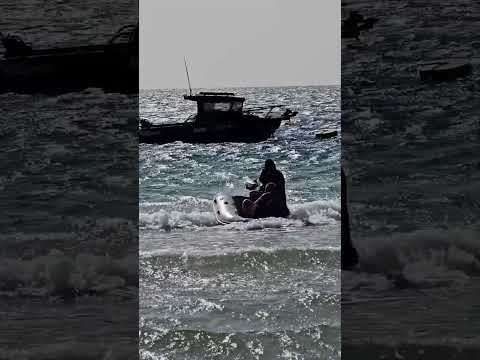
TL;DR: Unsecured inflatable boats face rapid and unpredictable damage in high winds, highlighting the need for proper storage and mooring.
- High winds imperil lightweight inflatables.
- Inadequate securing causes rapid damage.
- Proper stowing prevents structural failure.
- Environmental factors exceed equipment limits.
- Violent tossing leads to punctures and tears.
Why it matters: Understanding the vulnerabilities of inflatable structures in adverse weather is crucial for preventing equipment loss and ensuring safety around marine environments.
Do this next: Review your securing methods for all lightweight outdoor equipment to withstand unexpected high winds.
Recommended for: Anyone responsible for securing outdoor equipment, especially inflatable marine vessels, in areas prone to high winds.
A recent incident highlighted the challenges of managing large, flexible structures in adverse weather conditions, specifically involving a rubber tender during high winds. The event, which occurred during a period of significant gusts, demonstrated the potential for rapid and unpredictable damage when such equipment is not adequately secured or when environmental factors exceed its operational limits.
The tender, a type of inflatable boat often used for short-distance transport or as an auxiliary vessel, was reportedly subjected to considerable wind forces. Inflatable tenders, while convenient for their portability and ease of storage, are inherently lightweight and present a large surface area to the wind when not in the water or properly stowed. This combination makes them particularly vulnerable to being lifted, flipped, or dragged by strong winds.
Details surrounding the incident suggest that the tender was either not fully deflated and stowed, or its mooring was insufficient to withstand the prevailing conditions. When high winds interact with an unsecured or inadequately secured inflatable object, the consequences can range from minor displacement to severe structural damage. In this particular case, the outcome was described as "not ending well," implying significant damage to the tender itself, or potentially to surrounding property, or both.
The nature of the damage could encompass a variety of issues. High winds can cause an inflatable tender to be violently tossed, leading to punctures or tears in the fabric from impact with sharp objects or abrasive surfaces. If the tender was tethered, the force of the wind could have ripped mooring points, snapped lines, or even dragged heavy anchors. Furthermore, if the tender was inflated, the internal air pressure, combined with external forces, could have stressed seams to the point of failure, leading to a rapid deflation and potential structural compromise. The impact of being repeatedly slammed against a hard surface, such as a dock, another vessel, or the ground, would also contribute to extensive damage.
This event serves as a practical illustration of the importance of proper equipment management, especially in environments prone to sudden weather changes. For owners of such tenders, the incident underscores the necessity of implementing robust securing protocols. This includes ensuring that tenders are either fully deflated and stored in a protected location, or, if kept inflated, that they are moored with exceptionally strong lines and multiple attachment points, ideally in a sheltered area. The use of heavy-duty anchors or securing devices that can withstand forces far exceeding typical conditions is also a critical consideration.
Beyond the immediate damage to the tender, such incidents can also pose risks to other property. An airborne or runaway tender could collide with other boats, vehicles, or structures, leading to further damage and potential financial liabilities. This highlights the broader responsibility of equipment owners to mitigate risks not only to their own property but also to the surrounding environment and community.
The term "Self Suffishing Me," the source of this information, suggests a context related to self-sufficiency, possibly in a marine or outdoor setting. In such contexts, individuals often rely on their equipment for various tasks, and its loss or damage can have significant implications for their operations or lifestyle. The incident therefore also touches upon the resilience and preparedness required in self-sufficient living, where the ability to maintain and protect one's tools and assets is paramount.
In conclusion, the experience with the rubber tender in high winds offers a clear lesson on the vulnerabilities of inflatable equipment to extreme weather. It emphasizes the critical need for proactive measures in securing such items, understanding their limitations, and preparing for unforeseen environmental challenges to prevent damage and ensure safety.
Source: youtube.com
Related Analysis
- Homeowners Retrofit Properties with Renewable Energy Solutions — Renewable energy retrofitting gains traction as regenerative agriculture principles inform home upgrades. Experts point …
- New Practices Build Climate-Resilient Cob Homes — Cob construction emerges as a key strategy in enhancing resilience against ecological challenges in permaculture systems…
Explore more in Shelter, Energy & Infrastructure — the full hub for this knowledge area.