Regenerative Farming: Tree Planting in Tanzania, Haiti & Burundi
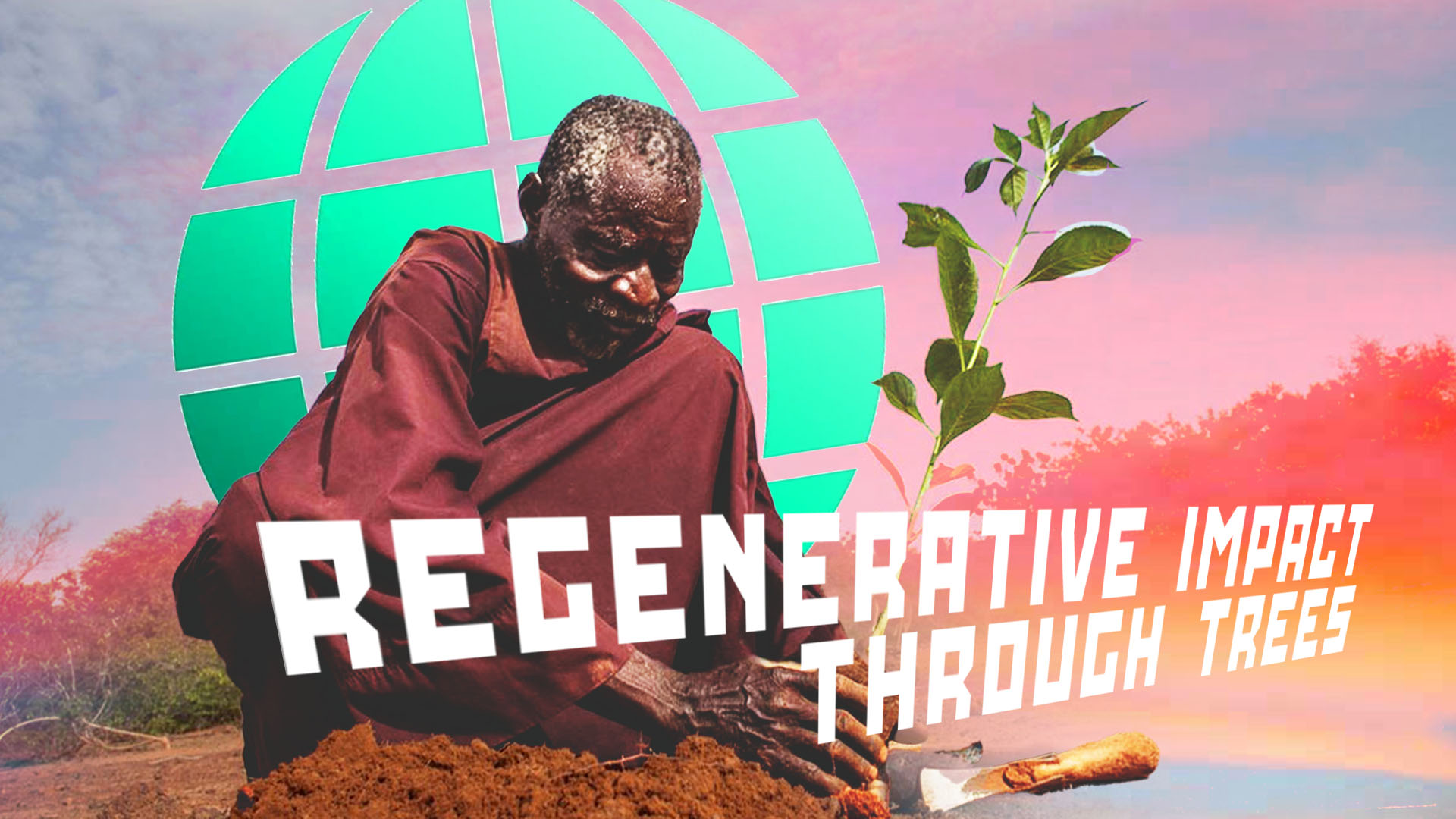
TL;DR: Tree planting in farming transforms degraded land into productive, resilient ecosystems, boosting food security and farmer income through agroforestry practices, as demonstrated in global case studies.
- Agroforestry integrates trees for ecosystem health.
- Trees restore soil fertility and boost crop yields.
- Diverse systems enhance climate resilience.
- Smallholders achieve economic and environmental gains.
- Local adaptation and species selection are crucial.
Why it matters: Integrating trees into agricultural systems directly combats land degradation, enhances biodiversity, and creates sustainable livelihoods for farmers, addressing global food security and climate challenges.
Do this next: Research native, nitrogen-fixing tree species suitable for your local climate and soil conditions to begin planning an agroforestry integration.
Recommended for: Farmers, agricultural extension workers, and community leaders interested in practical, nature-based solutions for land regeneration and sustainable food systems.
Plant With Purpose highlights tree planting and agroforestry as core regenerative practices in organic-like systems, showcasing real-world cases from Tanzania, Haiti, and Burundi where farmers restored degraded lands, boosted yields, and built climate resilience. Regenerative agriculture aims to enhance ecosystem health beyond sustainability, improving soil fertility, biodiversity, carbon sequestration, and water cycles through techniques like cover cropping, composting, and agroforestry—the intentional integration of trees into crop and livestock systems. Agroforestry heals soil by providing shade, windbreaks, nutrient cycling via nitrogen-fixing species, and organic mulches from leaf litter. Case example: Davina in Tanzania planted nitrogen-fixing trees alongside crops and mulched with tree leaves, transforming poor soil into rich, productive land with reliable income from increased harvests. Similar successes with Nathalie in Haiti and Josias in Burundi demonstrate scalable impacts: trees reverse degradation, support intercropping for diversified food security, and create microclimates for moisture retention. Practical steps include selecting site-appropriate species like legumes (e.g., acacia, leucaena) for fixation, planting in hedgerows or alleys amid annuals, mulching prunings on fields, and integrating livestock for manure cycling. These methods avoid tillage to preserve soil structure, foster mycorrhizae, and attract pollinators, aligning with organic standards by eliminating synthetics. Outcomes include higher productivity, poverty alleviation, and community-wide regeneration, with quantitative benefits like enhanced water infiltration and carbon drawdown. Practitioners learn to assess land needs, propagate trees locally, and monitor soil improvements via simple tests, making agroforestry accessible for smallholders transitioning to regenerative organic farming.