2024 Metal Roof Snow Guard Install: A PermaNews Guide
By Ricardo Orlando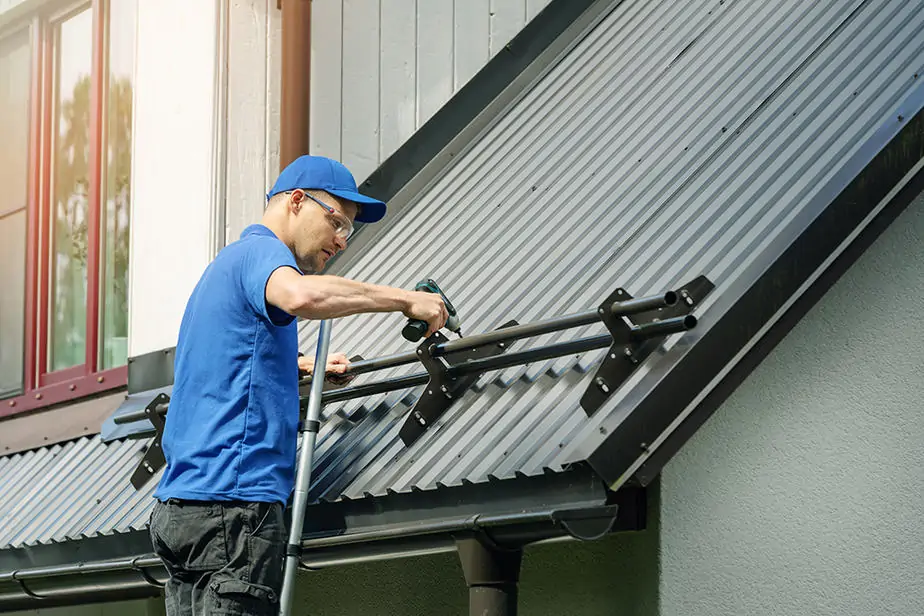
PermaNews Brief
Key Takeaways
Snow guards prevent sudden snowslides from metal roofs, protecting people and property by ensuring snow melts gradually or sheds in small amounts.
- Snow guards prevent sudden snow slides.
- Prioritize safety for people and property.
- Installation varies by roof type.
- Seal penetrations carefully to prevent leaks.
- Consider roof pitch and snowfall.
Why It Matters
Uncontrolled snow and ice can cause significant damage and injury. Proper snow management protects infrastructure and ensures safety around buildings with metal roofs.
What to Do Next
Assess your roof type and local snowfall to determine the best snow guard system.
Recommended for: Anyone with a metal roof in a snowy climate concerned about safety and property damage.
Snow guards are a practical addition to metal roofs, designed to manage the accumulation and release of snow and ice. Their primary function is to prevent large masses of snow and ice from abruptly sliding off the roof, which can pose a safety hazard to people, pets, and property below. These devices are strategically placed, typically along the lower edge of the roof, to hold snow in place and allow it to melt gradually or shed in smaller, more controlled amounts.
The installation process for snow guards on a metal roof requires careful planning and execution to ensure their effectiveness and the integrity of the roofing material. Before beginning, it's crucial to assess the specific type of metal roof, as different profiles (e.g., standing seam, corrugated, ribbed) necessitate different attachment methods. The pitch of the roof, the average snowfall in the region, and the potential impact zones below the eaves are also important considerations in determining the number and placement of snow guards.
For standing seam metal roofs, the most common and recommended installation method involves clamping the snow guards directly onto the raised seams. This approach is preferred because it avoids penetrating the roof panels, thereby preserving the watertight seal and preventing potential leaks. Specialized clamps are designed to fit various seam profiles securely. Once the clamps are in place, the snow guard components, which can be individual pads, continuous rails, or a combination, are attached to these clamps. Proper torqueing of the clamp bolts is essential to ensure a firm grip without deforming the seams.
On corrugated or ribbed metal roofs, where direct clamping to seams isn't feasible, snow guards are typically attached by drilling through the roof panels. This method requires meticulous attention to sealing to prevent water intrusion. Self-tapping screws with neoprene washers are commonly used to create a watertight seal around each fastener. It's important to locate these fasteners in the flat or low areas of the corrugation, rather than on the raised ribs, to minimize stress on the roof material and improve sealing effectiveness. After drilling and fastening, a high-quality sealant is often applied over the screw heads for an extra layer of protection.
The spacing and layout of snow guards are critical for optimal performance. A common guideline is to install multiple rows of guards, especially on longer roof slopes or in areas with heavy snowfall. The first row is typically positioned close to the eave, with subsequent rows spaced further up the roof, depending on the roof pitch and expected snow load. The goal is to distribute the snow retention evenly across the roof surface. For very steep roofs or those in exceptionally snowy climates, a more dense arrangement or a continuous rail system might be necessary.
Material selection for snow guards also plays a role in their longevity and aesthetic appeal. They are available in various materials, including aluminum, stainless steel, polycarbonate, and even copper, to match or complement the roofing material. Aluminum and stainless steel are known for their durability and resistance to corrosion, while polycarbonate offers a transparent option that blends in more subtly. The choice of material should align with the roof's lifespan and the local environmental conditions.
Before any installation, it's advisable to consult the snow guard manufacturer's specific instructions and recommendations, as well as local building codes. Safety precautions, such as using appropriate fall protection equipment, are paramount when working on a roof. Proper installation of snow guards not only enhances safety by preventing sudden snow slides but also protects gutters, landscaping, and entryways from damage, contributing to the overall longevity and functionality of the property.
Source: urbanfarmonline.com
Related Analysis
- Homeowners Retrofit Properties with Renewable Energy Solutions — Renewable energy retrofitting gains traction as regenerative agriculture principles inform home upgrades. Experts point …
- New Practices Build Climate-Resilient Cob Homes — Cob construction emerges as a key strategy in enhancing resilience against ecological challenges in permaculture systems…
Related on PermaNews
- Clinical Implications of Herbal Supplements in Conventional Medicine (Article)
- Die Wahrheit über diesen Garten-Hack! 👇 Tödliche Falle im Beet?! (Video)
- DIY Home Repair: 6 Jobs to ALWAYS Call a Professional For (Article)
- Farm Safety: Preventing Agricultural Injury Accidents (Article)
- Hunderettung am Berg: Bergwacht-Einsatz an der Felsswand | In höchster Not | Staffel 2 | Doku | BR (Video)
- 7 Safe Cleaning Hacks for a Healthy Home (Article)
Explore more in Shelter, Energy & Infrastructure — the full hub for this knowledge area.