Dec. Garden Tour: Winding Down for Christmas Harvests
By Outgrow : The Art & Practice of Self-sufficiency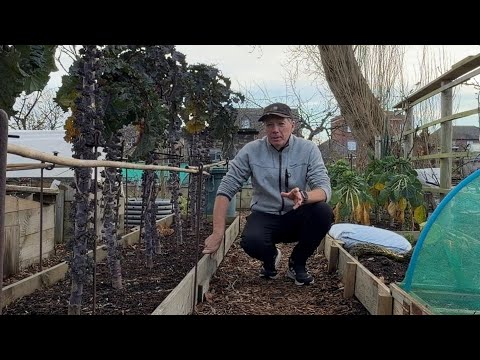
TL;DR: A garden tour reveals resilient winter brassicas and herbs, showcasing continuous productivity and the benefits of consistent soil management in colder months.
- Winter brassicas provide continuous harvest.
- Perennial herbs offer year-round utility.
- Compost and mulch improve soil health.
- Regular harvesting boosts plant vigor.
- Strategic plant choices extend growing season.
Why it matters: Maintaining garden productivity through colder months enhances self-sufficiency and provides fresh produce when seasonal options are limited. Proactive soil care supports long-term garden health.
Do this next: Prioritize applying compost and mulch to your garden beds to protect soil and enrich it over winter.
Recommended for: Gardeners aiming for year-round productivity and sustainable soil management in cooler climates.
As the year draws to a close and the festive season approaches, a permaculture practitioner reflects on the state of their garden plot, highlighting both successes and areas for future improvement. The garden, a testament to self-sufficiency, continues to yield a variety of produce even in the colder months, demonstrating the resilience and productivity of a well-managed permaculture system.
One of the prominent features discussed is the winter brassica bed. This section of the garden is thriving, showcasing a diverse array of cold-hardy vegetables. Kale, in particular, is noted for its robust growth, providing a continuous supply of fresh greens. The practitioner emphasizes the importance of regular harvesting to encourage further production and maintain plant health. Alongside kale, other brassicas like Brussels sprouts and various cabbages are also performing well, contributing to the winter harvest. The success of this bed underscores the value of selecting appropriate varieties for the local climate and implementing good soil management practices.
Another key area of focus is the herb garden. Even in December, several perennial herbs are still offering usable foliage. Rosemary, thyme, and sage are highlighted as particularly resilient, providing flavor and medicinal benefits throughout the colder period. The practitioner notes that while growth has slowed considerably, these herbs remain a valuable resource. This observation reinforces the permaculture principle of integrating perennial plants for year-round yields and reduced maintenance.
The article also touches upon the ongoing process of soil improvement. The practitioner discusses the application of compost and mulches to enrich the soil and protect it from winter weather. This continuous effort to build soil health is a cornerstone of permaculture, ensuring long-term fertility and productivity. The use of organic matter not only feeds the soil microorganisms but also helps to retain moisture and suppress weeds, reducing the need for external inputs.
While many aspects of the garden are flourishing, the practitioner also acknowledges areas that require attention. The article mentions the need for some structural repairs and general tidying as part of the winding-down process for the year. This practical approach to garden management, addressing maintenance needs proactively, is crucial for sustaining a productive system. It also reflects the cyclical nature of gardening, where periods of intense activity are followed by times of reflection and preparation for the next growing season.
The discussion extends to the importance of planning for the upcoming year. Even as the current season concludes, thoughts turn to seed ordering, crop rotation strategies, and potential new additions to the garden. This forward-thinking approach is fundamental to permaculture, ensuring continuous improvement and adaptation. The practitioner emphasizes the value of learning from the current year's experiences to inform future decisions, optimizing yields and resource utilization.
Furthermore, the article subtly conveys the personal satisfaction derived from cultivating one's own food. The act of harvesting fresh produce in December, despite the cold, brings a sense of accomplishment and connection to the land. This intrinsic reward is a significant motivator for many permaculture practitioners, fostering a deeper appreciation for natural cycles and sustainable living.
In essence, the December garden tour provides a snapshot of a thriving permaculture system, demonstrating its capacity for year-round production and resilience. It highlights the importance of careful planning, continuous soil improvement, and the selection of appropriate plant varieties. While acknowledging the need for ongoing maintenance and future planning, the overall tone is one of contentment and anticipation for the next growing season, embodying the spirit of self-sufficiency and sustainable living.
Source: youtube.com
Related Analysis
- Farms Build Resilience, Pivot to Regenerative Soil — New initiatives and analysis explicitly frame regenerative agriculture as a direct solution for climate resilience, focu…
- Federal Policy Pivots, Builds Indigenous Agriculture Frameworks — Federal policy trends are integrating Indigenous knowledge with soil science in regenerative agriculture, shifting polic…
Related on PermaNews
- Aloe Vera: Free Grapevine Rooting Hormone DIY (Video)
- April Harvest: The Unknown Edible Shrub for Your Food Forest (Video)
- 4 Pflanzen, 620 kg Tomaten: Permakultur-Erfolg! (Video)
- Famine Food: 60-Day Crop Beats Rice - Easy, Nutritious (Video)
- Gärten klimafest machen: Naturschutz durch Resilienz (Article)
- 20-Day Compost: Fast Permaculture Gardening Hack (Video)
Explore more in Food Systems & Growing — the full hub for this knowledge area.