First Year Milking a Heifer: Homesteading Journey
By Farmer Jo Homesteading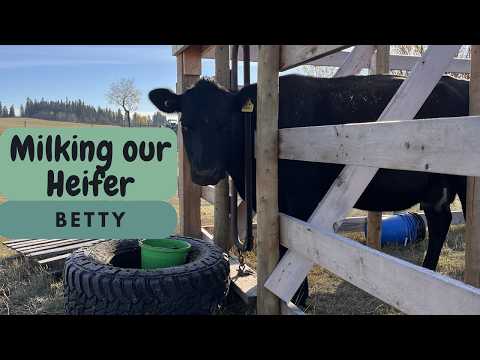
TL;DR: Successfully milking a first-time heifer requires patience, consistent training, and careful management of both the animal and her calf.
- Train heifers early for calm milking behavior.
- Ensure calf gets colostrum, then decide feeding.
- Establish consistent milking routines for adaptation.
- Monitor heifer health, especially for mastitis.
- Adjust diet to optimize milk quality and quantity.
Why it matters: Understanding the specific needs of a first-calf heifer ensures a smoother transition to milk production, benefiting both animal welfare and milk yield for the homesteader.
Do this next: Watch the video for detailed guidance on training and management practices for milking a heifer.
Recommended for: Homesteaders and small-scale farmers looking to integrate dairy into their operations with a first-time milking heifer.
The first year of milking a heifer presents a unique set of challenges and rewards for homesteaders. The journey begins well before the actual milking, with careful consideration given to the heifer's temperament and training. A calm and cooperative animal makes the daily routine significantly smoother. Initial training often involves familiarizing the heifer with the milking parlor or stanchion, the sounds of equipment, and the sensation of being handled. This foundational work is crucial for establishing a positive association with the milking process.
Once the heifer calves, the real work begins. The first few weeks post-calving are critical for both the cow and the calf. Ensuring the calf receives adequate colostrum is paramount for its health and immunity. Homesteaders often face the decision of whether to allow the calf to nurse directly or to separate them and bottle-feed. Each approach has its pros and cons, impacting the amount of milk available for human consumption and the calf's socialization. If the calf is allowed to nurse, a common practice is to separate them overnight, allowing for morning milking, and then reunite them during the day.
The milking routine itself demands consistency and patience. Establishing a regular schedule helps the heifer adapt and encourages consistent milk production. Learning to hand-milk or operate a small milking machine requires practice. Initial attempts might yield less milk as the heifer adjusts to the process and the milker refines their technique. Observing the heifer for signs of discomfort or mastitis is an ongoing responsibility. Early detection and intervention are key to preventing more serious health issues.
Milk production in a first-time mother can vary significantly. Factors such as breed, diet, and individual genetics play a role. Homesteaders often find themselves adjusting the heifer's feed to optimize milk quality and quantity. A balanced diet rich in forage, supplemented with appropriate grains and minerals, is essential for a healthy lactating cow. Monitoring the milk's appearance, smell, and taste provides valuable insights into the heifer's health and the quality of her diet.
Beyond the practicalities of milking, there's a significant learning curve in understanding bovine behavior and health. Recognizing subtle cues that indicate illness, stress, or estrus becomes second nature over time. Building a relationship of trust and respect with the heifer is a rewarding aspect of the experience. This bond not only makes milking easier but also contributes to the animal's overall well-being.
The first year also involves managing the milk itself. Learning proper sanitation techniques for milking equipment and milk storage is vital to ensure the safety and quality of the product. Homesteaders often experiment with various ways to utilize the milk, from drinking it fresh to making cheese, yogurt, or butter. The abundance of fresh, raw milk is often a primary motivator for undertaking the commitment of milking a cow.
Challenges inevitably arise. These can range from a reluctant heifer to equipment malfunctions, unexpected health issues, or fluctuations in milk production. Overcoming these obstacles requires problem-solving skills, resilience, and sometimes, seeking advice from more experienced homesteaders or veterinarians. The learning process is continuous, with each season bringing new insights and experiences.
In summary, the first year of milking a heifer is a comprehensive educational journey. It encompasses animal husbandry, routine management, health monitoring, and food production. It demands dedication, patience, and a willingness to learn, ultimately offering a profound connection to the food source and a deeper understanding of sustainable living.