Cultivating Joy: Plants for Well-being & Pollinators
By Permaculture Magazine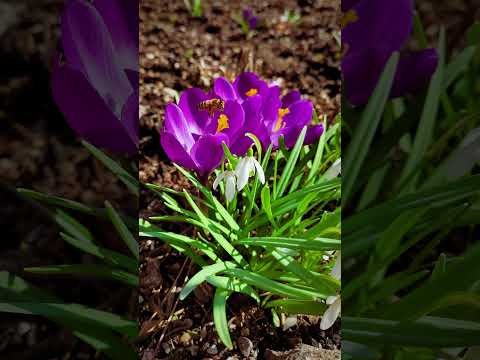
PermaNews Brief
Key Takeaways
Gardening offers significant psychological and emotional benefits beyond food production, acting as a powerful antidote to modern stressors.
- Nurturing plants reduces stress and boosts well-being.
- Gardening cultivates mindfulness and present-moment awareness.
- Sensory immersion in nature improves mood and mental balance.
- Accomplishment from growing builds self-esteem.
- Connects individuals with nature and purpose.
Why It Matters
Engaging with plants offers a practical way to improve mental health and find a deeper connection to the natural world in daily life.
What to Do Next
Start a small container garden with herbs or pollinator-friendly flowers to experience the daily benefits of nurturing plants.
Recommended for: Anyone looking for a practical, nature-based way to improve mental well-being and reduce stress.
The article "Growing Plants for Joy" from Permaculture Magazine explores the multifaceted benefits of engaging in gardening and plant cultivation, extending beyond mere food production to encompass significant psychological and emotional well-being. It highlights how the act of nurturing plants can serve as a powerful antidote to modern stressors, fostering a deeper connection with nature and promoting a sense of purpose and fulfillment.
One of the central themes is the concept of gardening as a form of mindfulness. The article suggests that the focused attention required for tasks such as planting seeds, watering, weeding, and observing plant growth encourages individuals to be present in the moment. This deliberate engagement with the natural world can help to quiet an overactive mind, reducing anxiety and promoting a state of calm. The repetitive and rhythmic nature of many gardening activities is presented as a meditative practice, allowing for a gentle detachment from daily worries and a re-centering of one's thoughts.
Furthermore, the article emphasizes the therapeutic aspects of gardening. It discusses how spending time outdoors, surrounded by greenery, has been scientifically linked to lower levels of cortisol, the stress hormone, and improved mood. The sensory experience of gardening – the smell of damp earth, the feel of soil on one's hands, the sight of vibrant blossoms, and the sound of buzzing insects – contributes to a holistic sense of well-being. This sensory immersion is portrayed as a vital component in restoring mental equilibrium and fostering a positive outlook.
The sense of accomplishment derived from successfully growing plants is another key element explored. From the first sprout emerging from the soil to the harvest of ripe produce, each stage of plant development offers opportunities for satisfaction and pride. This tangible evidence of one's efforts can significantly boost self-esteem and provide a feeling of competence. For individuals who may feel a lack of control in other areas of their lives, gardening offers a domain where their actions directly lead to positive outcomes, reinforcing a sense of agency and empowerment.
Beyond individual benefits, the article touches upon the community-building potential of gardening. Shared gardening spaces, such as community gardens, provide opportunities for social interaction, knowledge exchange, and mutual support. These collaborative environments can combat feelings of isolation and foster a sense of belonging, as individuals work together towards a common goal. The act of sharing harvests or plant cuttings further strengthens these communal bonds, creating a network of interconnectedness.
The article also delves into the educational value of gardening. It explains how cultivating plants offers a practical understanding of ecological principles, such as soil health, water cycles, and biodiversity. This hands-on learning experience can deepen an individual's appreciation for the natural world and encourage more sustainable practices in their daily lives. Understanding the intricate relationships within an ecosystem, even on a small scale, can lead to a greater sense of responsibility towards environmental stewardship.
Finally, the article underscores the inherent joy found in the simple act of nurturing life. Witnessing the resilience and beauty of plants, from tiny seeds to flourishing specimens, can be a profound and uplifting experience. This connection to the life cycle, the rhythm of seasons, and the abundance of nature provides a constant source of wonder and inspiration, enriching one's life in myriad ways. The overall message is that gardening is not merely a hobby or a means to an end, but a powerful pathway to enhanced mental, emotional, and even spiritual well-being.
Source: youtube.com
Related Analysis
- Food Forest Courses Shift From Theory to Build-Ready Skills — Several food forest courses now open with site assessment and guild-building rather than design theory, suggesting a dev…
- Practitioners Build Silvopasture Playbook Before Researchers Catch Up — A small but consistent set of signals from the Northeast U.S. shows farmers actively piloting silvopasture while formal …
Related on PermaNews
- Aloe Vera: Free Grapevine Rooting Hormone DIY (Video)
- 4 Pflanzen, 620 kg Tomaten: Permakultur-Erfolg! (Video)
- Famine Food: 60-Day Crop Beats Rice - Easy, Nutritious (Video)
- Gärten klimafest machen: Naturschutz durch Resilienz (Article)
- Gärten als Kohlenstoffsenke: Permakultur für Klimaschutz (How-To Guide)
- April Permaculture Tour: Interplanting, Early Harvests, No-Dig UK (Video)
Explore more in Food Systems & Growing — the full hub for this knowledge area.