DIY Low-Tech Erosion Control: Self-Paced Permaculture
By Neil Bertrando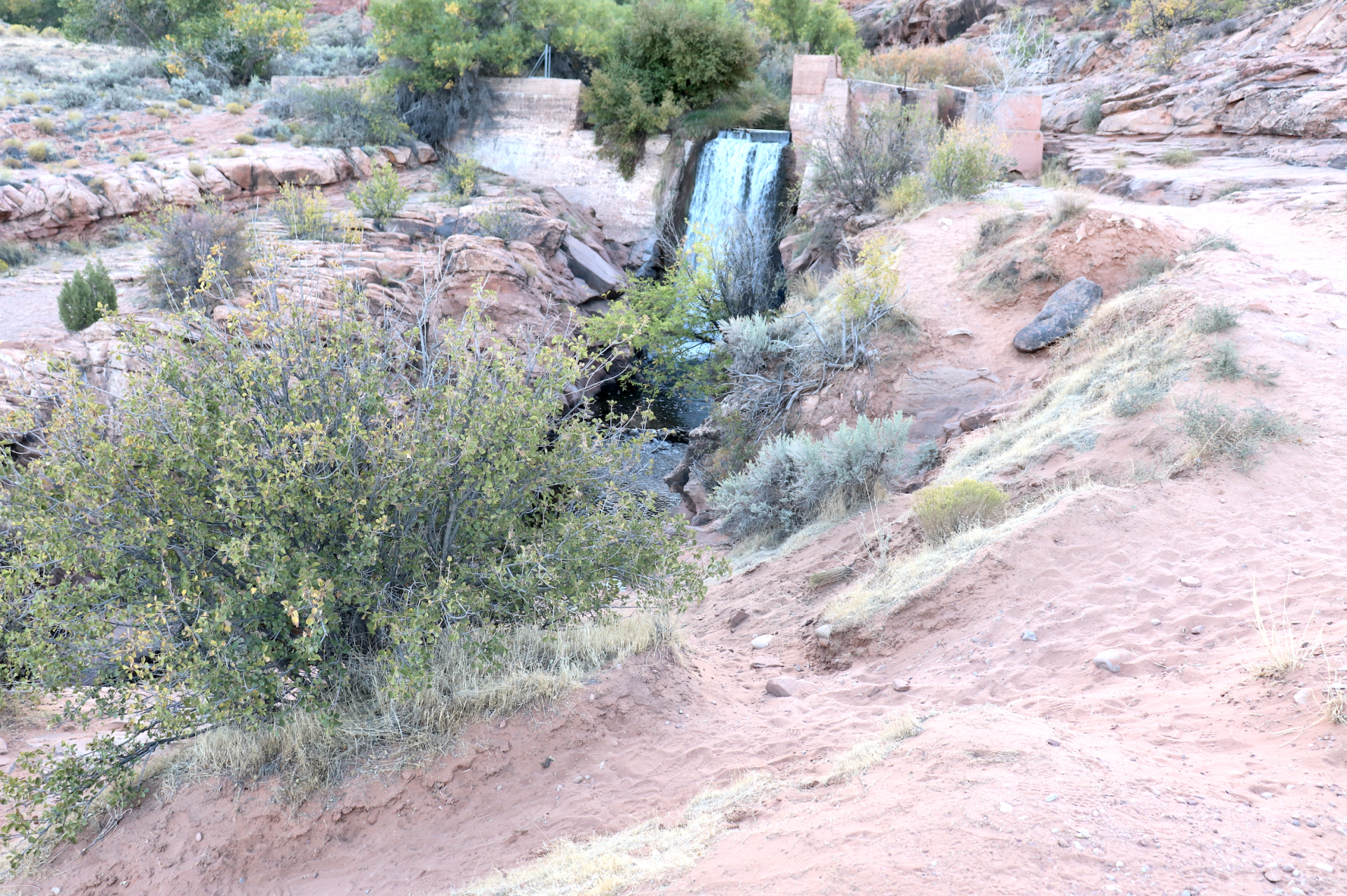
PermaNews Brief
Key Takeaways
Learn to implement inexpensive, natural structures that passively manage water flow to combat erosion, drought, and support ecosystem regeneration.
- Utilize natural materials for cost-effective water management and landscape repair.
- Implement designs that slow, spread, and sink water across the land.
- Mimic natural water flow patterns to restore habitat and prevent erosion.
- Starve head cuts and channel runoff to prevent gully formation.
- Use wattle socks and soil pitting to enhance water infiltration and soil stability.
Why It Matters
Effective water management is crucial for mitigating climate change impacts like drought and flood and regenerating degraded landscapes.
What to Do Next
Enroll in a course or workshop to gain hands-on experience with low-tech erosion control methods.
Recommended for: Homesteaders, farmers, and land managers seeking sustainable, cost-effective erosion control and water management strategies.
This self-paced course from Regenerative Living teaches individuals how to assess, design, and implement inexpensive structures using natural materials to slow, spread, and sink water, addressing issues like drought, erosion, fire damage, and habitat restoration. Key techniques include upland beaverdams, as demonstrated by instructor Jeff in Moab, Utah, where humble, camouflaged structures mimic beaver dams to manage water flow effectively. Another practical example is fixing trail washouts by channeling water back into the watershed, preventing further erosion. Instructor Neil Bertrando, owner of RT Permaculture in Reno, NV, shares real-world case studies such as redirecting road erosion into landscape irrigation systems, using vertical fish scale straw mulch to hold soil, collect sediment, and capture water. He details starving head cuts—erosive gullies—with simple dirt mounds that deprive them of sustaining water flow. Wattle socks, filled with local materials, are overlapped to slow water velocity and promote infiltration. Soil pitting creates depressions to retain water and aid vegetation growth, while incorporating prickly pear into media luna swales enhances erosion control in arid environments. Volunteers crafted Soil Crete Zuna Bowls using onsite soil mixed with Portland cement for durable water-harvesting structures. The course emphasizes learning from others' mistakes to avoid costly errors, empowering homesteaders, farmers, non-profits, and agencies with ecological design skills. Neil's work with Reno Food Systems integrates these low-tech methods into local food systems and regenerative lifestyles. These field-tested implementations provide concrete, actionable steps: assess site conditions, select natural materials like straw, branches, and soil, build structures mimicking natural patterns, and monitor for adjustments. Practitioners gain hands-on knowledge for permaculture, resilience, and self-sufficiency, directly applicable to regenerative living contexts without high-tech dependencies.
Source: regenerativeliving.online
Related Analysis
- High-Salt Fertilizers Block Soil Microbes, Kempf Says — High-salt fertilizers disrupt soil microbes and microbial colonization, trapping farmers in chemical dependency. Biologi…
- Fertilizer Shortage Forces Reckoning on Nitrogen Sources — Fertilizer supply crisis drives farms toward nitrogen-fixing cover crops, compost, and legume rotations as alternatives.
Related on PermaNews
- Ernst Götsch's Cacao Syntropy: Master Agroforestry Now (How-To Guide)
- Finnish Off-Grid: Rocket Mass Heater Performance in Greenhouse (Case Study)
- Designing Regenerative Resilience: Participatory Living Labs (How-To Guide)
- Berlins schwimmende Gärten: Permakultur auf dem Wasser (Case Study)
- Lo—TEK: Indigenous Tech for Climate Solutions (Article)
- Rodale Report 2025: Thermal Mass Boost in Solar Greenhouses (Case Study)
Explore more in Water, Climate & Adaptation — the full hub for this knowledge area.