Grow Artemisia annua: Seed to Herbal Infusion Guide
By Permaculture facile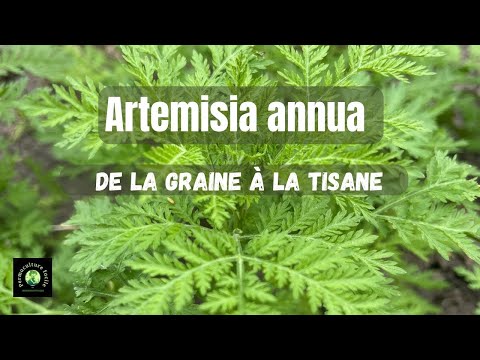
TL;DR: Cultivating sweet wormwood from seed to infusion offers a comprehensive home gardening project with potential traditional medicinal applications.
- Sweet wormwood thrives in full sun and well-drained, moderately fertile soil.
- Start seeds indoors in late winter, surface-sowing for light germination.
- Harden off seedlings gradually before transplanting outdoors after last frost.
- Space plants 30-50 cm apart for adequate air circulation and growth.
- Use organic matter to amend soil and improve structure and nutrients.
Why it matters: Growing Artemisia annua at home allows for personal cultivation of a plant with a history of traditional medicinal use, promoting self-sufficiency in herbal remedies.
Do this next: Watch the video to see detailed steps and visual guides for cultivating sweet wormwood in your garden.
Recommended for: Gardeners with some experience in seed starting and an interest in growing medicinal plants.
This article provides a comprehensive guide to cultivating *Artemisia annua*, commonly known as sweet wormwood, in a home garden, covering the entire process from seed to its use in infusions. The plant is highlighted for its potential medicinal properties, particularly its traditional use in various cultures.
The cultivation process begins with seed starting, which is recommended indoors due to the fine nature of the seeds and their need for specific conditions. Seeds should be sown in late winter or early spring, typically around February or March, in a light, well-draining substrate. Given their small size, they are best surface-sown and gently pressed into the soil without being covered, as they require light for germination. Maintaining consistent moisture through misting and providing warmth, ideally between 20-25°C (68-77°F), are crucial for successful germination, which usually occurs within one to two weeks. Once seedlings develop a few true leaves and are robust enough, they can be pricked out and transplanted into individual pots to allow for further growth and root development.
Before transplanting outdoors, a hardening-off period is essential. This involves gradually exposing the young plants to outdoor conditions over a week or two, starting with a few hours a day and progressively increasing exposure to sunlight and wind. This process helps them adapt to the harsher outdoor environment and reduces transplant shock.
*Artemisia annua* thrives in full sun and prefers well-drained soil. While it can tolerate a range of soil types, a moderately fertile soil is ideal. It's beneficial to amend the soil with compost or other organic matter before planting to improve structure and nutrient content. The optimal time for outdoor planting is after the last frost, typically in late spring or early summer, when soil temperatures have warmed sufficiently. Plants should be spaced adequately, around 30-50 cm (12-20 inches) apart, to allow for good air circulation and prevent overcrowding as they can grow quite large.
Once established, *Artemisia annua* is relatively low-maintenance. Regular watering is important, especially during dry spells and in the initial stages of growth, but care should be taken to avoid waterlogging, which can lead to root rot. The plant is generally drought-tolerant once mature. While not a heavy feeder, a light application of balanced organic fertilizer can be beneficial during the growing season. Weeding around the plants is also important to reduce competition for nutrients and water.
Harvesting typically occurs when the plant is in full bloom, usually in late summer or early autumn, before the seeds fully mature. This is when the concentration of beneficial compounds is believed to be highest. The aerial parts of the plant, including leaves, stems, and flowers, are harvested. It's recommended to cut the stems about 10-15 cm (4-6 inches) above the ground, allowing for potential regrowth or a second, smaller harvest in some climates.
After harvesting, the plant material needs to be dried properly to preserve its properties and prevent mold. This can be done by hanging bundles of the plant in a well-ventilated, dry, and shaded area. Alternatively, a food dehydrator set at a low temperature can be used. Once completely dry, the leaves and flowers can be stripped from the stems and stored in airtight containers in a cool, dark place.
The article concludes by discussing the traditional use of *Artemisia annua* in infusions. To prepare an infusion, dried leaves and flowers are steeped in hot water for several minutes. The recommended dosage and frequency are often based on traditional practices, and it's important to note that while the plant has a history of use, scientific research into its efficacy and safety is ongoing. The article emphasizes that this guide is for cultivation purposes and general information on traditional use, not medical advice.