Sustainable Pest Control: Organic IPM Strategies
PermaNews Brief
Key Takeaways
Sustainable pest control integrates ecological methods like beneficial insects and habitat creation to minimize chemical use and protect biodiversity.
- IPM uses diverse strategies for long-term pest management.
- Support pollinators by planting diverse flowers and nectar sources.
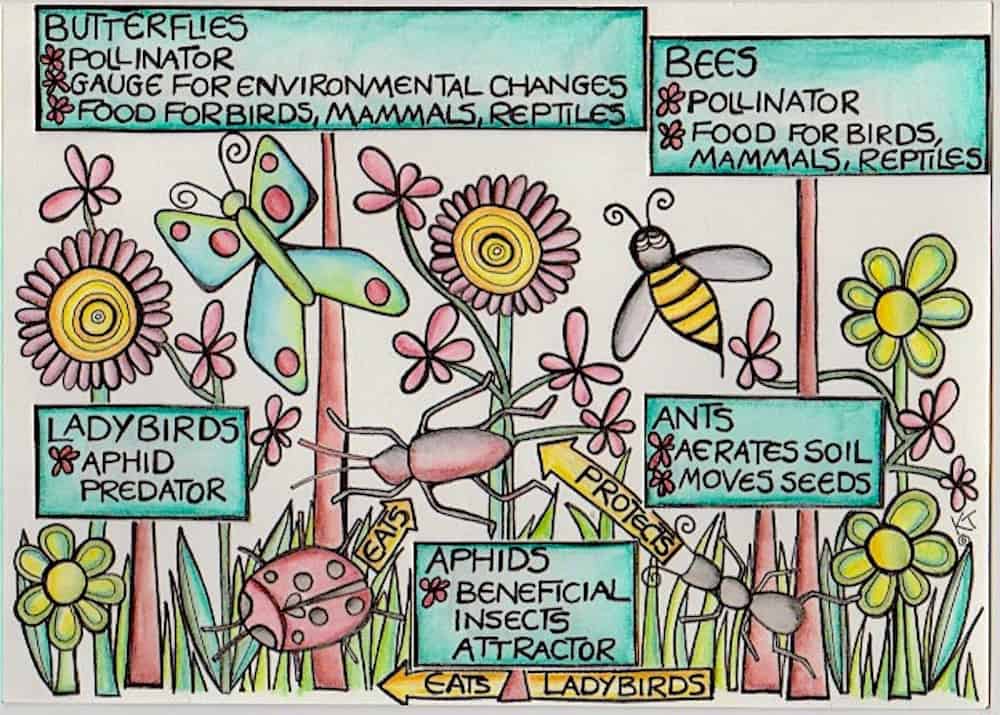
- Create habitat to attract beneficial insect species.
- Avoid even organic pesticides to protect non-target organisms.
- Regularly monitor plant health and adapt pest strategies.
Why It Matters
Adopting Integrated Pest Management protects ecosystems, reduces reliance on harmful chemicals, and fosters resilient agricultural practices.
What to Do Next
Start by observing your garden daily to identify any pest issues early and research natural predators for those pests.
Recommended for: Gardeners, farmers, and land stewards seeking sustainable, ecological solutions for pest management and pollinator protection.
This resource provides a comprehensive overview of Integrated Pest Management (IPM) as a method combining environmental, biological, and physical controls to manage pests sustainably. It emphasizes early pest identification, understanding pest biology and ecology, and developing strategic responses focused on prevention. Key IPM steps include providing diverse flowers and nectar sources to support pollinators, creating habitat for beneficial insects, avoiding pesticide use even organic ones due to their impact on non-target species, and fostering community collaboration to protect pollinators. The approach aligns with permaculture principles by promoting closed-loop ecosystems that support 'good' bugs to control 'bad' bugs naturally. Monitoring plant health regularly and adjusting strategies accordingly is critical for success. This guide highlights the importance of habitat connectivity beyond individual gardens to regional scales for effective pest management and pollinator protection.
Source: freepermaculture.com
Related Analysis
- Food Forest Courses Shift From Theory to Build-Ready Skills — Several food forest courses now open with site assessment and guild-building rather than design theory, suggesting a dev…
- Practitioners Build Silvopasture Playbook Before Researchers Catch Up — A small but consistent set of signals from the Northeast U.S. shows farmers actively piloting silvopasture while formal …
Related on PermaNews
- Ernst Götsch's Cacao Syntropy: Master Agroforestry Now (How-To Guide)
- Finnish Off-Grid: Rocket Mass Heater Performance in Greenhouse (Case Study)
- Berlins schwimmende Gärten: Permakultur auf dem Wasser (Case Study)
- Rodale Report 2025: Thermal Mass Boost in Solar Greenhouses (Case Study)
- AUTarcaMatricultura La Palma: Permakultur & Energieautarkie (How-To Guide)
- Earthaven Ecovillage: 30 Years Off-Grid with Hydro & Solar (Video)
Explore more in Food Systems & Growing — the full hub for this knowledge area.