Urban Homesteading: Grow, Preserve, Sustain in City Spaces
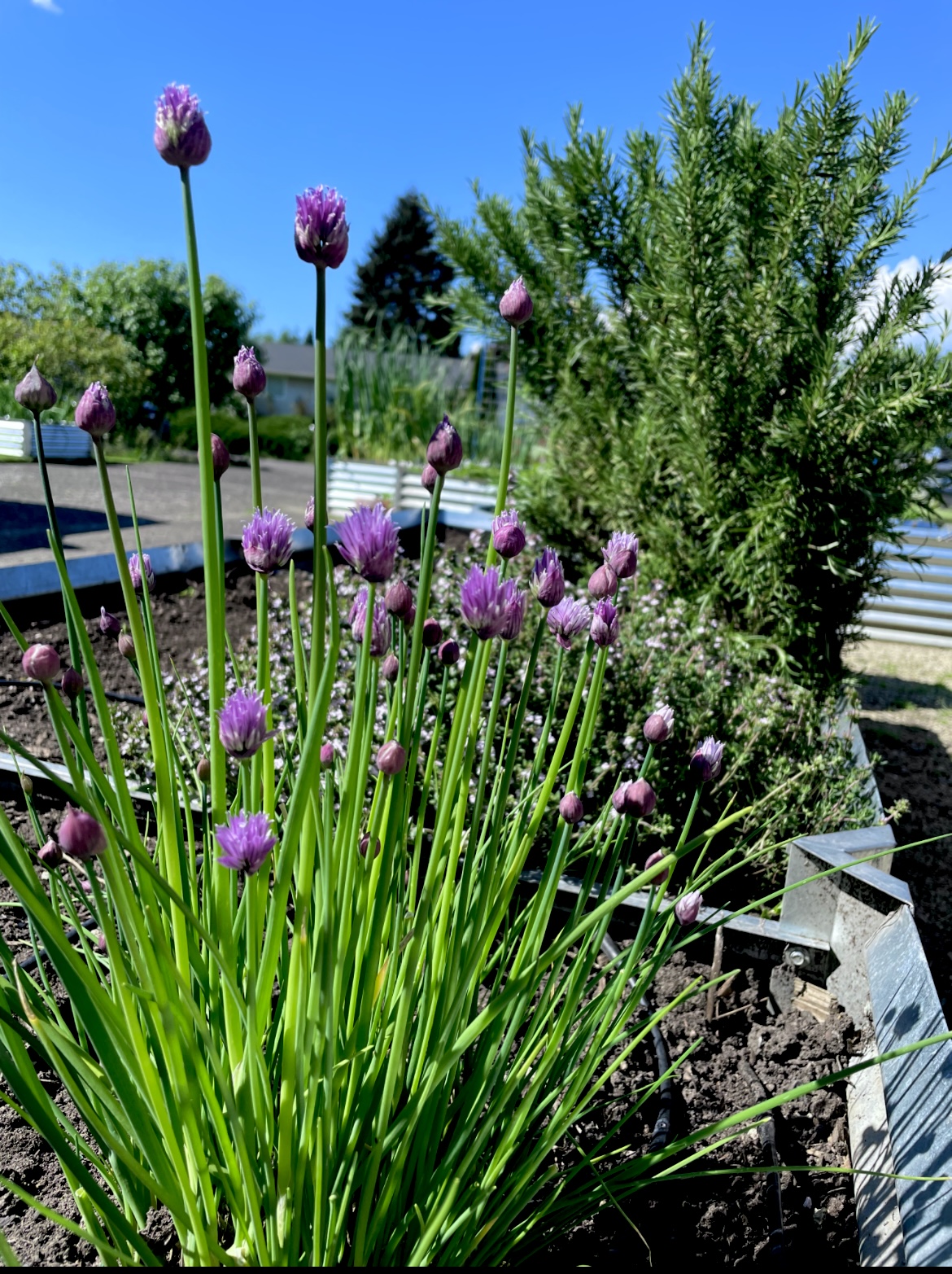
TL;DR: Urban homesteading is a spectrum of sustainable practices, from growing food to preserving harvests, adaptable to diverse city spaces and promoting self-sufficiency.
- Grow food in limited city spaces.
- Embrace scratch cooking and food preservation.
- Adapt practices to balconies, yards, or community plots.
- Increase self-sufficiency and reduce waste.
- Connect with nature and improve food quality.
Why it matters: Urban homesteading offers a practical pathway to greater food security, reduced environmental impact, and a deeper connection to nature, even in bustling urban environments.
Do this next: Start a small herb garden on your windowsill or balcony using repurposed containers and organic soil.
Recommended for: Urban dwellers seeking to enhance their self-sufficiency, reduce their environmental impact, and foster a deeper connection to their food sources.
Urban homesteading entails growing food in city or suburban settings to the greatest extent possible, complemented by scratch cooking, harvest preservation, and sustainable habits within limited spaces. It spans a spectrum from balcony herbs to backyard chickens, sourdough baking, and eco-living, all adapted to apartments, small yards, or community plots. Core elements include vegetable gardens, fruit trees in containers, livestock like bees or rabbits where feasible, and food processing to extend yields. Benefits drive adoption: heightened sustainability via local, organic eating; self-sufficiency reducing store dependence; more outdoor time connecting with nature; control over food quality free from pesticides; and independence from industrial systems. City advantages—access to markets, amenities, and community—pair with creative growing like vertical farms or windowsill trays. The beginner's guide outlines starting small, scaling personally, without perfection pressure. Practical insights cover soil-less methods for renters, composting in bins, and seasonal planning for year-round harvests. Preservation techniques like freezing, fermenting, and canning minimize waste. Lifestyle shifts include from-scratch meals enhancing flavor and nutrition. Challenges like shade or pollution are met with shade-tolerant crops and organic amendments. Community gardens amplify access, building social ties. Health perks include physical activity from tending plots and mental boosts from nurturing growth. Economic gains stem from slashing produce bills—urban homesteaders report 30-50% savings. Environmental impact shrinks through biodiversity promotion and waste reduction. The continuum allows micro-starts like microgreens, evolving to full yards. Expert tips emphasize polycultures for resilience, water-efficient drip systems, and pollinator plants. Inspirational stories feature apartment dwellers yielding salads weekly or families canning sauces. Ultimately, urban homesteading blends urban convenience with rural virtues, proving self-sufficiency accessible, rewarding, and scalable for all.