Erin Martin: Food as Medicine, Not Ozempic, for US Health
By Investing in Regenerative Agriculture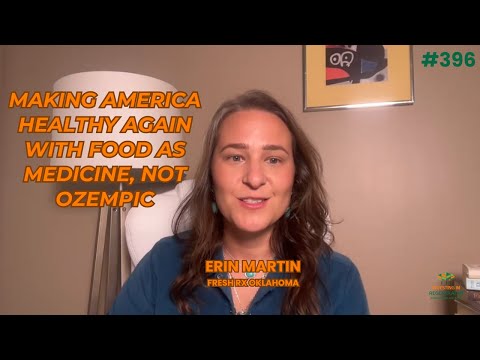
PermaNews Brief
Key Takeaways
Erin Martin advocates for a holistic health approach, emphasizing whole foods and lifestyle changes over pharmaceuticals for chronic disease prevention.
- Prioritize nutrient-dense whole foods for optimal health.
- Address root causes of illness, not just symptoms.
- Reduce reliance on processed foods and excessive sugar.
- Consider organic, locally sourced produce.
- Lifestyle changes offer sustainable health improvements.
Why It Matters
Adopting a "food as medicine" philosophy can empower individuals to prevent and reverse chronic diseases, reducing healthcare burdens and improving quality of life.
What to Do Next
Explore local farmers markets for organic, locally sourced produce to incorporate into your diet.
Recommended for: Individuals interested in holistic health, preventative medicine, and dietary approaches to managing chronic diseases.
The article highlights Erin Martin's perspective on transforming American health through a focus on food as medicine, rather than relying on pharmaceutical interventions like Ozempic. Martin, who has a background in both conventional and functional medicine, advocates for a holistic approach to well-being, emphasizing the critical role of nutrition in preventing and reversing chronic diseases.
Martin's journey began in conventional healthcare, where she observed a system primarily focused on treating symptoms rather than addressing the root causes of illness. This experience led her to functional medicine, which seeks to identify and resolve underlying imbalances in the body. She emphasizes that many common health issues, such as obesity, type 2 diabetes, and heart disease, are largely preventable and reversible through dietary and lifestyle changes.
A central tenet of her philosophy is the concept of "food as medicine." This involves consuming nutrient-dense, whole foods, preferably organically grown and locally sourced, to nourish the body at a cellular level. She argues that the modern Western diet, characterized by processed foods, excessive sugar, and unhealthy fats, is a primary driver of the current health crisis. By shifting towards a diet rich in fruits, vegetables, lean proteins, and healthy fats, individuals can significantly improve their health outcomes.
Martin specifically critiques the growing reliance on medications like Ozempic for weight loss and blood sugar management. While acknowledging their potential short-term benefits, she expresses concern about their long-term effects and the failure to address the fundamental dietary and lifestyle issues that contribute to these conditions. She believes that these drugs can create a false sense of security, diverting attention from the more sustainable and impactful solutions offered by nutritional interventions.
Her approach extends beyond individual dietary choices to encompass broader systemic changes. She advocates for a regenerative agricultural model, recognizing the direct link between soil health, food quality, and human health. Regenerative agriculture practices, such as cover cropping, no-till farming, and rotational grazing, enhance soil fertility, increase nutrient density in crops, and promote biodiversity. This, in turn, leads to more nutritious food that can better support human health.
Martin also stresses the importance of education and empowerment. She believes that individuals need to be equipped with the knowledge and tools to make informed decisions about their health. This includes understanding basic nutritional principles, learning how to prepare healthy meals, and connecting with local food systems. She envisions a future where communities are actively engaged in growing and consuming healthy food, fostering a culture of wellness.
Furthermore, the article touches upon the economic implications of the current healthcare system. Martin suggests that by investing in preventative health through food and lifestyle, society can reduce the enormous financial burden associated with treating chronic diseases. She sees a paradigm shift from a disease-management model to a health-promotion model as not only beneficial for individual well-being but also economically sustainable.
In essence, Erin Martin's message is a call to action for a fundamental re-evaluation of how America approaches health. By prioritizing nutrient-rich food, embracing regenerative agriculture, and empowering individuals with knowledge, she believes a healthier and more resilient society can be built, moving away from a reliance on pharmaceutical solutions and towards a more holistic and sustainable path to wellness.
Source: youtube.com
Related Analysis
- Rainforest Alliance Launches Certification Tied to Soil Results — A developing direction in regenerative ag certifications demands measurable soil outcomes, not just practice adoption. R…
- Campbell's Corporate Grants Push Farmers Into Regenerative Trials — Campbell's Grower Grants are funding real-acre regenerative trials, offering a corporate-backed mechanism for on-farm ex…
Related on PermaNews
- Ivana Gazibara's $1.4B Initiative to Revamp Midwest Agriculture (Video)
- Permaculture: Sustainable Design for Thriving Ecosystems (Article)
- Tufts Introduces Innovative Toolkit for Food as Medicine in Healthcare (How-To Guide)
- Daniel Vidal's Beloved Zero-Waste Fine Dining Experience (Video)
- Benedetta Kyengo's Journey to Restore Paradise After the Green Revolution (Video)
- Pablo Usobiaga - Zero Waste, Ancient Farmland and Mexico City's First Green Michelin Star (Video)
Explore more in Food Systems & Growing — the full hub for this knowledge area.