Rewilding the Finger Lakes: Summer Rayne Oakes' Homestead Journey
By Summer Rayne Oakes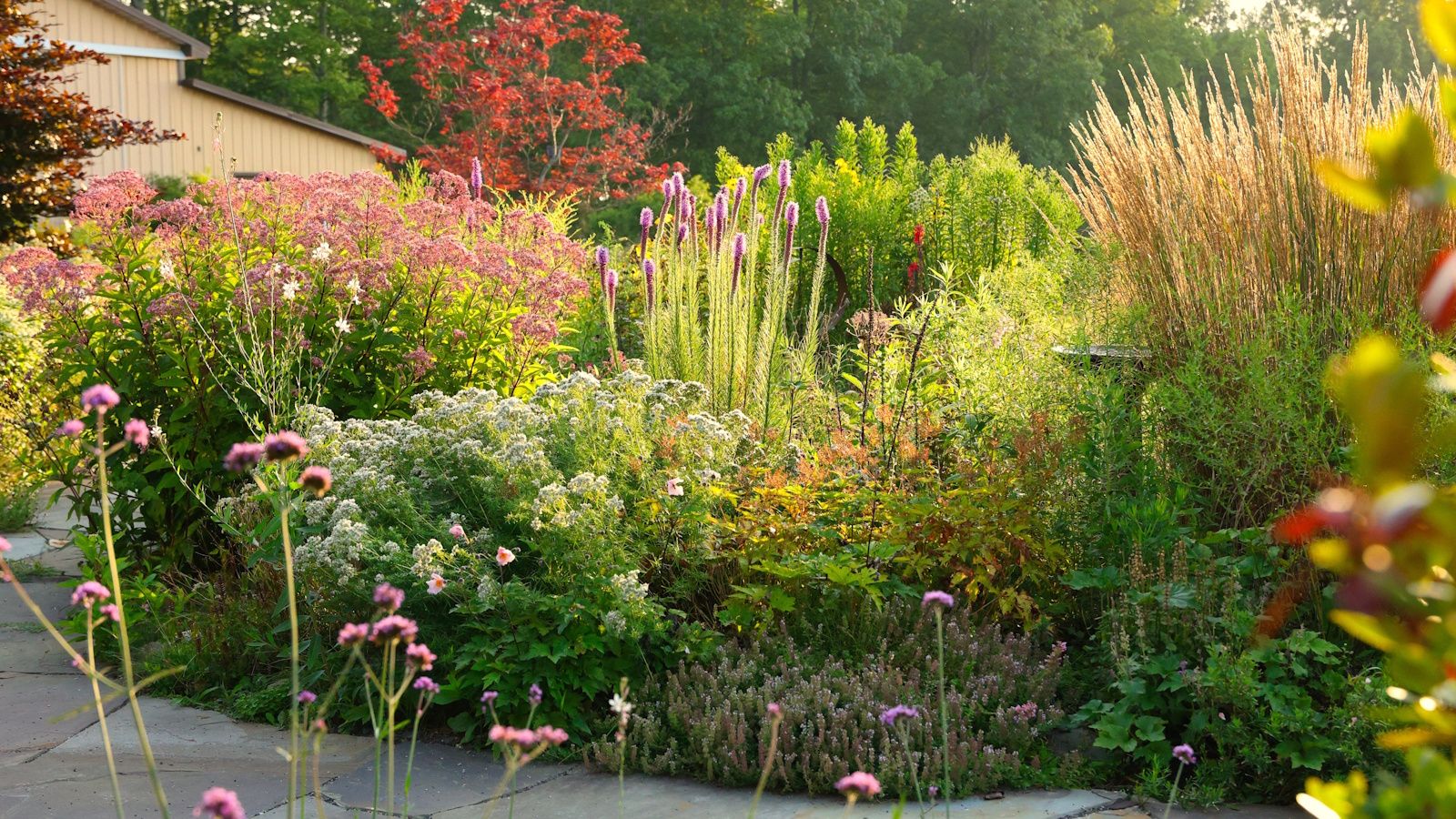
TL;DR: A compact urban homestead in the Finger Lakes demonstrates permaculture principles for high self-sufficiency, ecological regeneration, and practical food production.
- Intensive zoning maximizes yield in small spaces.
- Hugel kultur and sheet mulching regenerate soil fertility.
- Native plant guilds dramatically boost biodiversity.
- Water harvesting and greywater systems conserve resources.
- Strategic plant choices enhance resilience and yield.
Why it matters: This case study offers a proven model for achieving significant food self-sufficiency and ecological benefits on a small, urban-adjacent property using permaculture design principles.
Do this next: Start an observation journal to map sun, wind, and wildlife patterns in your own space before making any changes.
Recommended for: Anyone interested in applying permaculture principles to small-scale, intensive food production and ecosystem regeneration in urban or suburban environments.
Entomologist and urban grower Summer Rayne Oakes documents her transition to a rewilded, regenerative homestead in the Finger Lakes, applying permaculture principles to a compact urban-adjacent site for self-sufficiency. Key techniques include zoning for efficiency: Zone 1 features intensive herb spirals and vertical aquaponics with fish waste fertilizing greens, yielding year-round salads. Soil regeneration via hugelkultur mounds buried with woody debris, topped by compost and mulch, creating self-watering beds that retain moisture during droughts and decompose over years to enrich clay-heavy soils. Rewilding integrates native pollinator meadows with 50+ species of milkweed, asters, and goldenrod, boosting insect populations by 300% and supporting rare butterflies through host plant guilds. Permaculture-inspired systems feature fruit tree guilds: apples underplanted with comfrey, daffodils (pest deterrent), and strawberries for layered yields. Water harvesting via 1,000-gallon cisterns feeding drip irrigation and greywater reed beds for nutrient recycling. Specific steps for giving back to the land: annual soil tests guide amendments like rock dust for minerals; no-till sheet mulching with ramial chipped wood fosters mycorrhizal networks. Oakes details crop selection for resilience, prioritizing heirlooms like 'Lacinato' kale and 'Brandywine' tomatoes bred for disease resistance. Challenges like deer pressure solved with living fences of elderberry and thorny natives. Homestead metrics: 80% food self-sufficiency on 0.25 acres, carbon sequestration estimated at 2 tons/year via perennials. Practical insights for urban replicability: start with observation journals mapping sun, wind, and wildlife; build keyhole beds for access; propagate cuttings for free plants. Her diary entries provide timelines, failure analyses (e.g., overwatering lessons), and successes like a self-seeding nitrogen fixer mix reducing inputs by 50%. This field-tested model empowers compact-space growers with actionable permaculture for biodiversity, resilience, and regenerative living.