Apartment Biosphere: Low-Tech Urban Sustainability Lab Unveiled
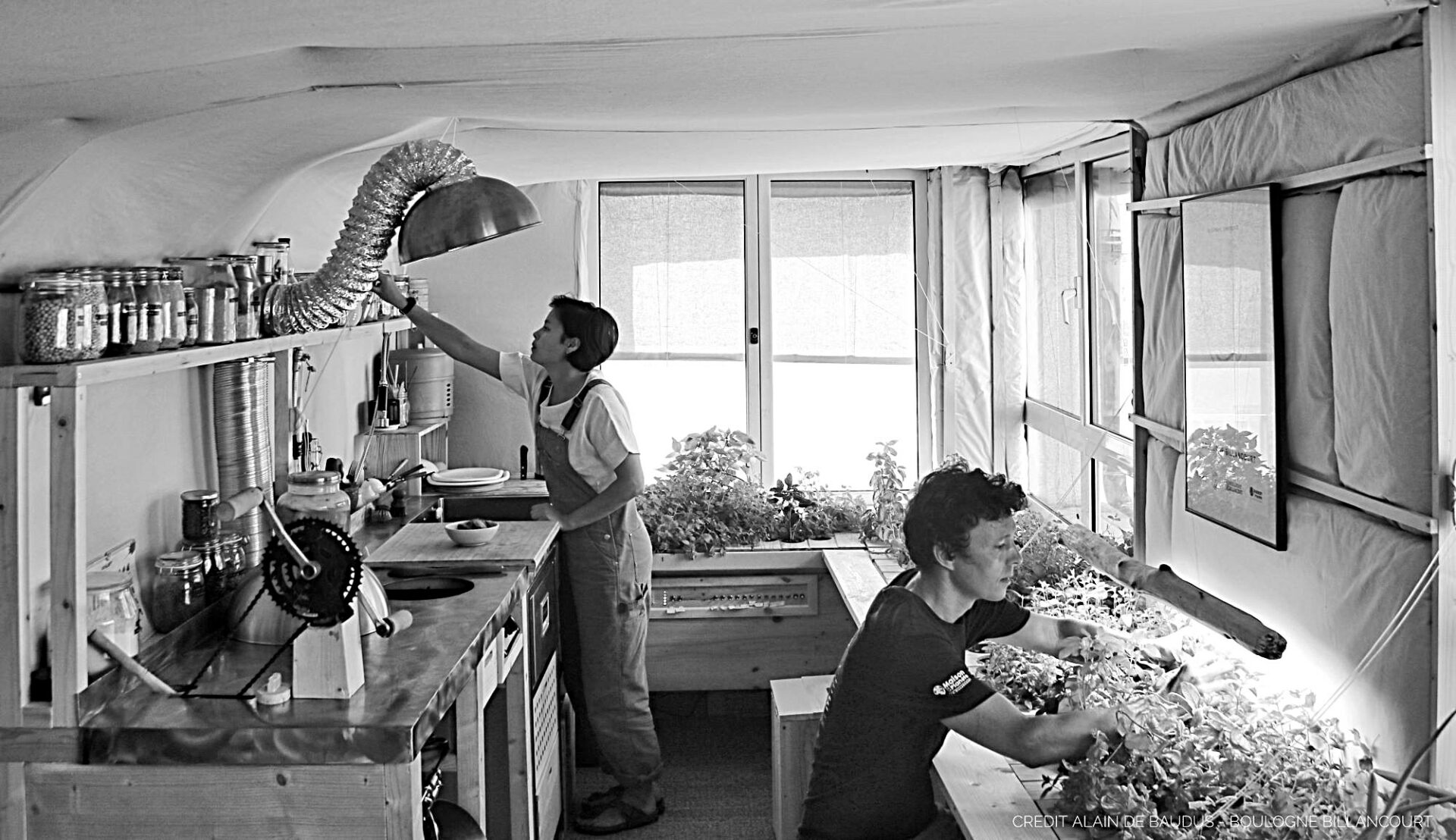
TL;DR: An apartment in Montreal was transformed into a self-sufficient ecosystem, demonstrating how low-tech innovations can drastically cut resource consumption and waste in urban settings.
- Low-tech solutions enable urban self-sufficiency.
- Composting toilets reduce water and generate resources.
- Pedal-powered machines offer off-grid energy.
- Bioponics allow soil-free food cultivation.
- Zero-waste living is achievable in apartments.
Why it matters: Implementing low-tech solutions in urban homes can dramatically reduce environmental impact and foster resilience against resource scarcity for individuals and communities.
Do this next: Research local regulations for composting toilets and indoor gardening to evaluate feasibility in your own apartment.
Recommended for: Anyone interested in applying permaculture principles to urban living through practical, low-tech interventions.
This article describes the Low-Tech Lab's 'Biosphere' program, testing low-tech solutions for autonomous, sustainable living in urban apartments, with specific examples like solar ovens, pedal-powered machines, composting toilets, soil-free bioponics for microgreens, and edible insect breeding (e.g., crickets). The apartment lab in a former daycare center in Montreal served as an experimentation hub for experts, engineering schools, and companies. Key achievements included reducing water consumption tenfold, producing no waste but generating resources (e.g., repurposing human waste from composting toilets as soil enricher), and meeting the UN's 2 tons CO2 per person/year target. Prior experiments occurred in 2018 on a floating platform in Thailand and later in a Mexican desert circular habitat inhabited for four months, focusing on resource generation over waste. The citizen science program involved 650+ experiments across eight missions, such as sustainable food production via indoor gardening without soil, waste recovery, and testing composting toilets for nutrient recycling. Practical details include collaborative design with multidisciplinary teams (doctors, nutritionists, eco-designers), hands-on testing of pedal-powered devices for energy, solar ovens for cooking, and closed-loop systems for water and waste. These low-tech innovations—accessible, minimal-impact solutions for water, food, and energy needs—enable self-sufficiency in small spaces. Implementation steps: select low-tech tools like solar thermal cookers, build composting systems with specific layering for pathogen reduction, integrate bioponics using natural substrates, and monitor via simple metrics like water use and emissions. This provides actionable insights for regenerative urban living, permaculture in apartments, and resilience against resource scarcity.